If you are thinking about living in Wilmette, you are probably trying to answer a practical question: does daily life here actually match the reputation? For many buyers, Wilmette stands out for its North Shore location, established housing, rail access, and lakefront amenities, but it also comes with a higher price point and a housing stock that leans older. This guide will help you understand what it is really like to live in Wilmette, from housing and commuting to errands, recreation, and overall fit. Let's dive in.
Where Wilmette Is
Wilmette is a North Shore village in Cook County, about 16 miles from downtown Chicago. According to the Village of Wilmette community profile, the village stretches roughly five miles west from Lake Michigan and is about one mile wide.
That geography shapes daily life in a big way. You get a compact suburban setting with access to the lake, local business districts, and multiple transportation options without being far from the city.
What Daily Life Feels Like
Wilmette has the feel of an established, long-term ownership community. U.S. Census QuickFacts shows an owner-occupied housing rate of 87.9%, which helps explain why the village often feels stable and residential rather than fast-turnover or heavily renter-driven.
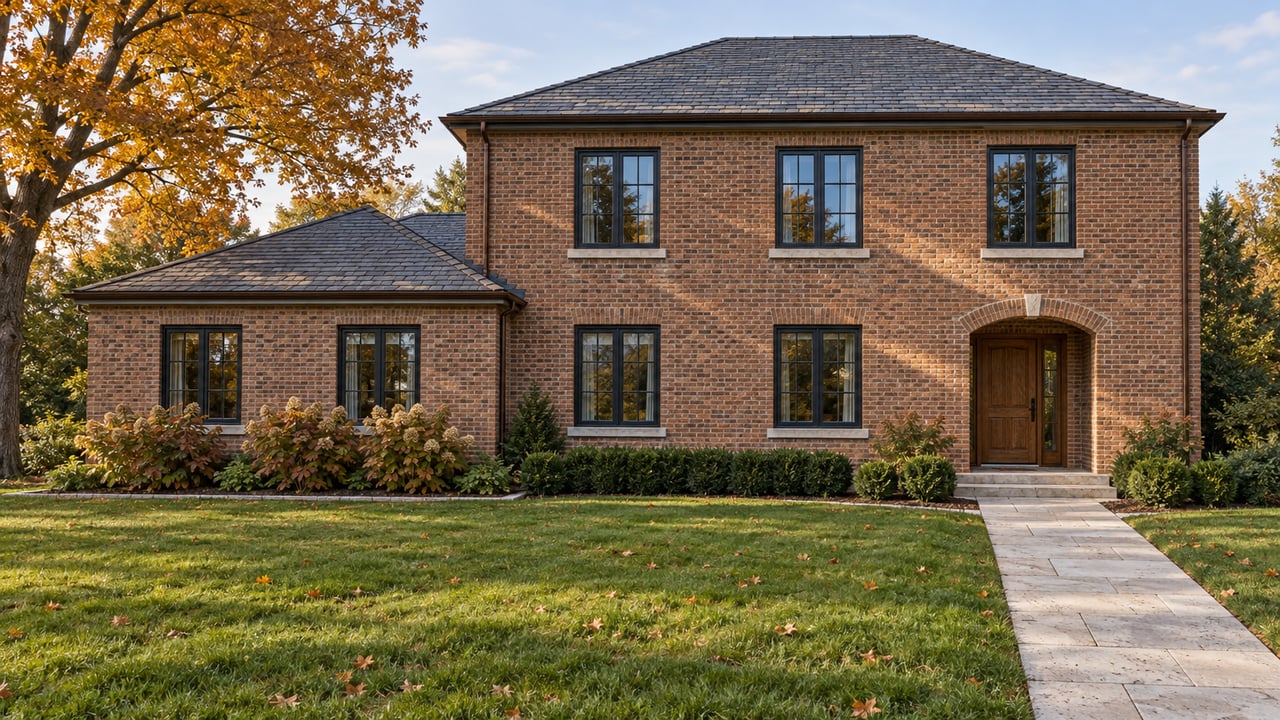
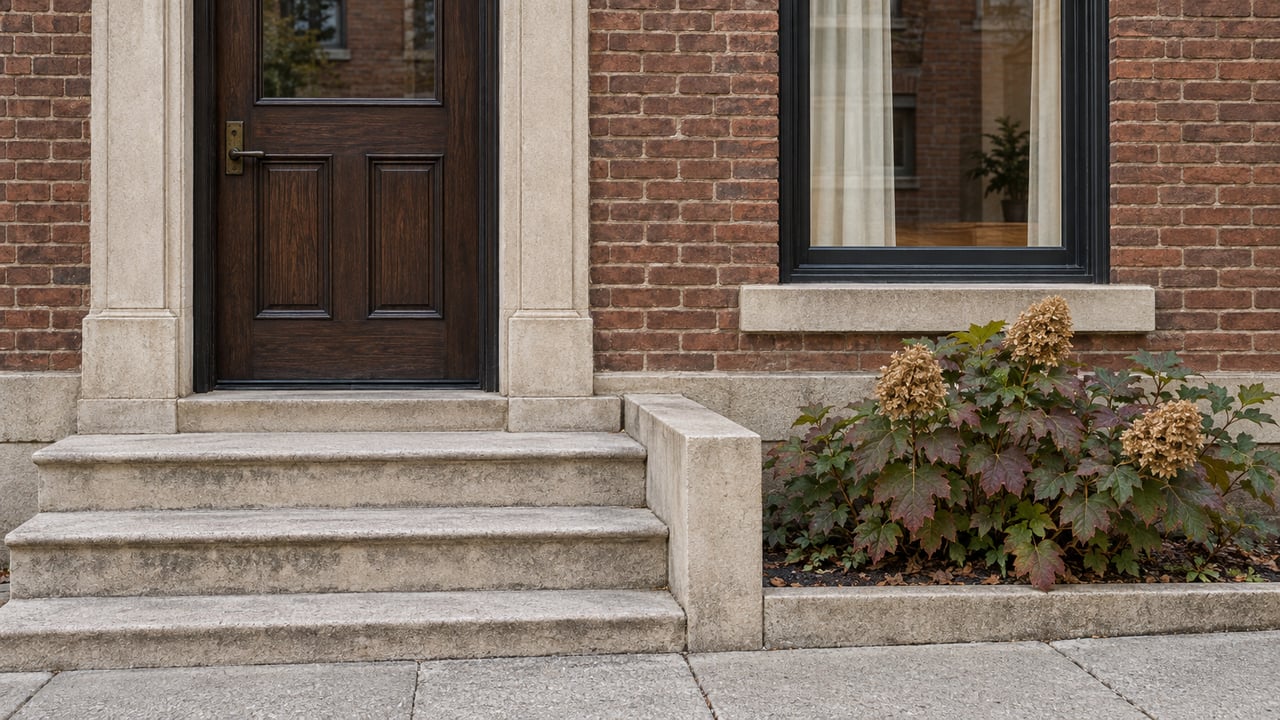
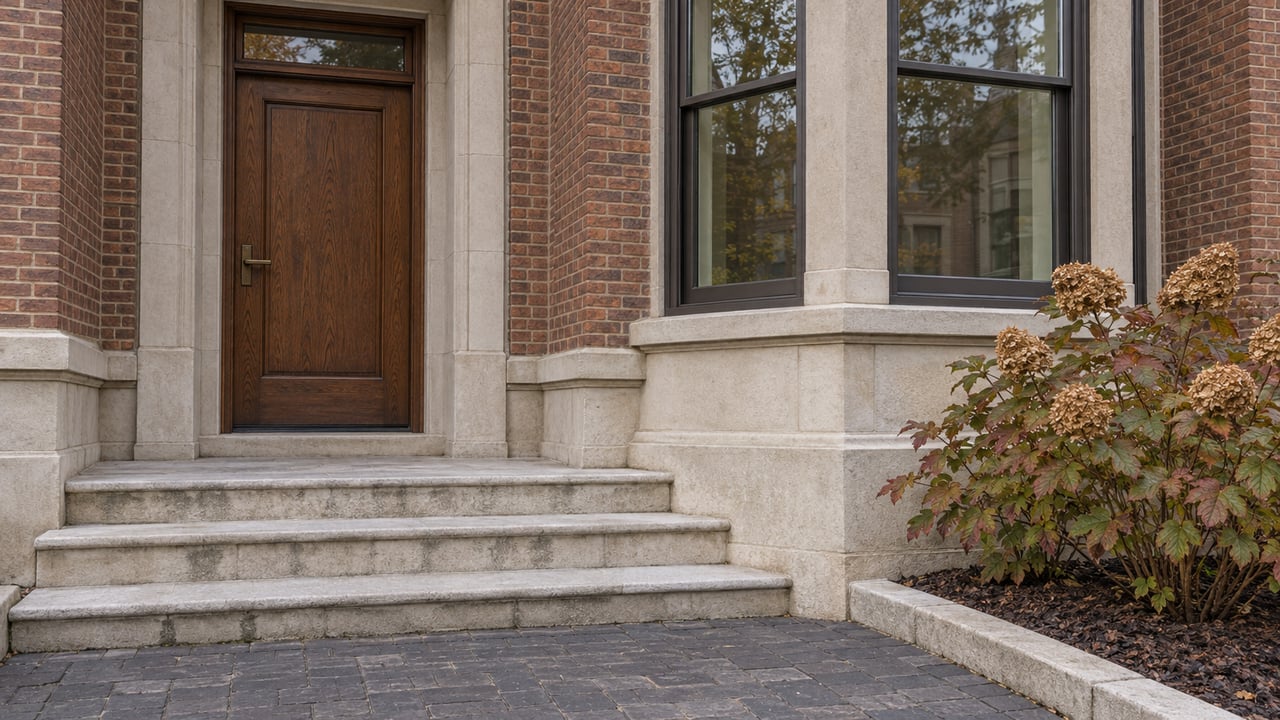
You also see that character in the built environment. The village highlights tree-lined streets, brick-paved areas, period street lights, attractive commercial areas, and proximity to Lake Michigan as defining parts of Wilmette's identity. If you want a suburb with a classic North Shore feel, Wilmette checks that box.
Housing In Wilmette
Housing in Wilmette is centered mostly around detached homes. The village's comprehensive plan says detached single-family homes account for about 78% of housing units, and most dwellings have three or more bedrooms.
The housing stock also trends older. Nearly 80% of homes were built before 1970, and only 8% were built after 2000, which means many buyers should expect mature neighborhoods and older home styles instead of a large supply of newer, low-maintenance housing.
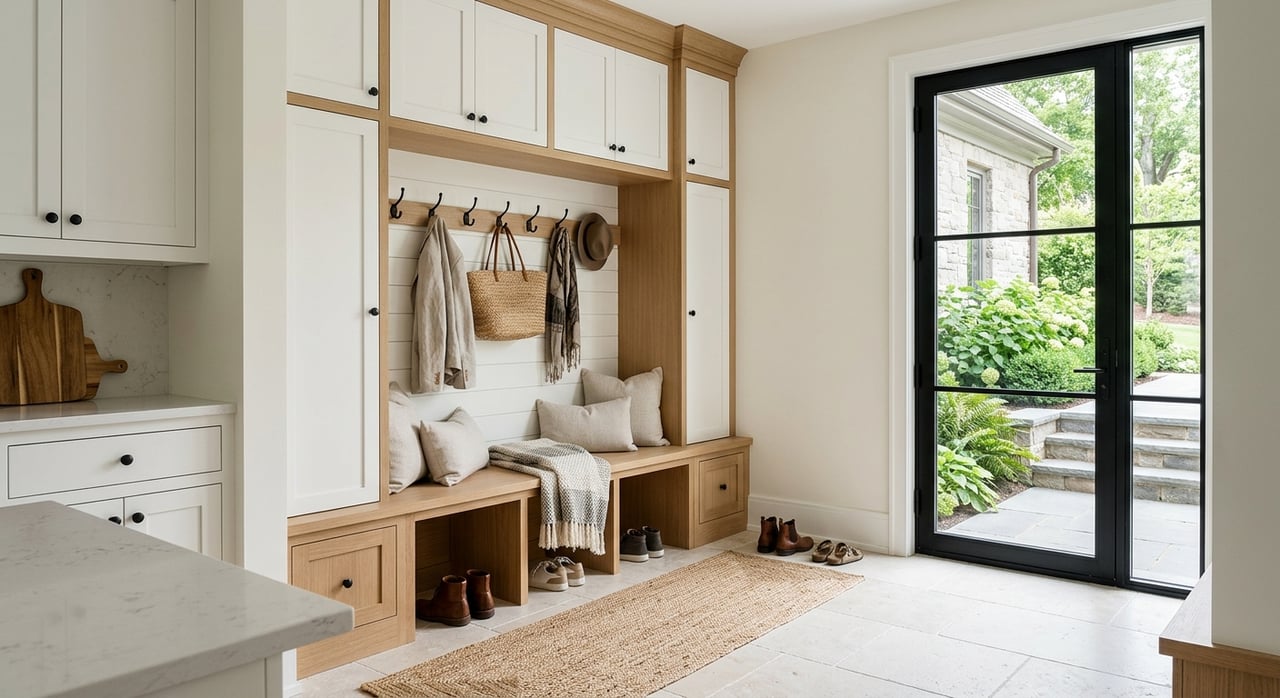
That older housing mix can be a plus or a challenge depending on what you want. If you value architectural character and established streetscapes, Wilmette has a lot to offer. If you are looking for a newer product with less upkeep, your options may be more limited.
What Homes Cost
Wilmette is a higher-cost market, and that matters if you are building a realistic budget. Census data puts the median owner-occupied home value at $810,600 and the median gross rent at $1,978.
The village also acknowledges affordability pressure in its planning documents. It notes that housing costs can be out of reach for some young families, younger workers, and some seniors, which is part of why Wilmette is working on a housing plan focused on more attainable options.
The bottom line is simple: Wilmette offers a strong ownership market, but you should go in expecting a premium price point. For many buyers, the decision comes down to whether the location, housing character, and amenities justify that cost for their lifestyle. If you are coming from the city, a home valuation on your current property can help you understand the equity you are working with.
Neighborhood Character And Preservation
One of Wilmette's strongest selling points is how much emphasis it places on preservation and community character. The village says its identity is shaped by established residences, appealing commercial districts, and historic design elements that help the community feel cohesive.
Wilmette also has 38 local landmarks and 3 National Register Historic Districts. That does not mean every home is historic, but it does show how seriously the village takes maintaining its built character over time.
For buyers, this often translates into neighborhoods that feel consistent and well rooted. You are not just buying a house. You are buying into a village with a strong sense of place.
Shopping And Daily Errands
For a compact suburb, Wilmette offers a useful range of places to run errands, dine out, and handle daily tasks. The village has seven commercial districts, which helps spread retail and service options across the community.
The Village Center, near the Metra station, serves as the central business district and includes many restaurants and specialty stores. Other districts like Linden Square, Plaza del Lago, Ridge Road, and Edens Plaza add more shopping, dining, and service options, plus access to public transportation and free street parking in parts of the district network.
That setup can make life easier if you want a suburb where errands do not always require a long drive. Depending on where you live in Wilmette, you may have practical access to coffee, dining, retail, transit, and services within a relatively short trip.
Schools And Libraries
If schools are part of your move, Wilmette has established public school options. The village's education page says District 39 serves more than 3,500 K-8 students and includes Central, Harper, McKenzie, Romona, Highcrest Middle School, and Wilmette Junior High School.
Some parts of Wilmette are also in Avoca District 37. Graduates from both public district pathways attend New Trier High School, which says it serves about 3,658 students across its Northfield and Winnetka campuses.
Beyond schools, the library is a useful daily-life amenity. The Wilmette Public Library at 1242 Wilmette Ave. is open 9 a.m. to 9 p.m. Monday through Friday, 9 a.m. to 5 p.m. Saturday, and 12 p.m. to 5 p.m. Sunday.
Parks And Lakefront Access
Wilmette offers more than just attractive streets and residential blocks. The village profile notes 20 parks, 188.3 acres of parkland, and 63 acres of lakefront parks, along with amenities that include a golf course, recreation center, indoor tennis, skating, outdoor pools, and swimming and sailing beaches.
The headline lakefront destination is Gillson Park. The Wilmette Park District describes it as about 60 acres with two swimming beaches, a dog beach, picnic areas, tennis courts, kayak, SUP, and sailboat rentals, a beach house, and the Lakeview Center.
If lake access is part of your ideal lifestyle, this is one of Wilmette's biggest advantages. You have a major recreational asset that supports everything from beach days and dog outings to paddling and casual weekend time outdoors.
What To Know About Gillson Access
Gillson Park is a major amenity, but it is helpful to understand how access works before you move. According to the Park District's visitor information, the park is open from 6 a.m. to 10:30 p.m., beaches close at 9 p.m., and the north and south gates close at 9 p.m.
Beach access uses season or daily passes, and parking is separate. The dog beach requires a permit and does not offer day passes, so if that feature matters to you, it is worth reviewing the rules ahead of time.
This is a small detail, but it is exactly the kind of practical information that shapes day-to-day satisfaction. It is better to know in advance how one of Wilmette's best-known amenities actually operates.
Commuting From Wilmette
Wilmette works well for people who want more than one commute option. The Metra Wilmette station on the Union Pacific North line is located at 722 Green Bay Rd. and offers accessibility features, ticket machines, 387 parking spaces, and Pace bus connections.
That line runs to Ogilvie Transportation Center in downtown Chicago, giving commuters a direct rail option into the city. Wilmette also has access to the CTA Purple Line, which terminates at Linden and runs to Howard through Evanston, with weekday rush-period express service to the Loop, according to the CTA Purple Line overview.
If you drive, the village profile also points to access to I-94 Edens. In practical terms, Wilmette can fit a few different routines: commuter rail into downtown, rapid transit toward Chicago and Evanston, or driving when that makes more sense.
Is Wilmette A Good Fit For You?
Wilmette tends to fit buyers who want an established North Shore suburb with strong ownership patterns, a classic housing stock, organized commercial districts, and standout lakefront recreation. It can be especially appealing if you want a village setting that still keeps you connected to Chicago.
The tradeoff is cost. Housing values and monthly housing expenses are high, and the market is weighted toward older single-family homes rather than a large supply of newer or lower-maintenance options.
That does not make Wilmette better or worse than another suburb. It just means the fit depends on what matters most to you. If your priorities include a compact North Shore location, a strong sense of place, and practical access to both the lake and the city, Wilmette deserves a close look. You can browse homes for sale in Wilmette to see what is currently on the market, or review our buyer's guide if you are still early in the process.
If you are weighing Wilmette against other North Shore or Chicago-area options, working with a team that understands both city and suburban moves can make the process a lot easier. When you are ready to talk through your goals, connect with top Chicago real estate agent Matt Laricy for clear advice and practical guidance on your next move.
FAQs
What is daily life like in Wilmette?
- Wilmette generally feels like an established, mostly owner-occupied North Shore village with tree-lined streets, local business districts, lakefront amenities, and multiple ways to get into Chicago.
What kind of housing is most common in Wilmette?
- Detached single-family homes make up about 78% of Wilmette's housing units, and much of the housing stock was built before 1970.
What does it cost to live in Wilmette?
- Census data lists a median owner-occupied home value of $810,600, a median gross rent of $1,978, and a mean commute time of 34.6 minutes.
What shopping areas are available in Wilmette?
- Wilmette has seven commercial districts, including the Village Center, Linden Square, Plaza del Lago, Ridge Road, and Edens Plaza, with shopping, dining, and service options.
What recreation options does Wilmette offer?
- Wilmette has 20 parks, 188.3 acres of parkland, 63 acres of lakefront parks, and major amenities such as beaches, tennis, sailing, pools, skating, and recreation facilities.
What should residents know about Gillson Park in Wilmette?
- Gillson Park includes beaches, a dog beach, rentals, picnic areas, and courts, but access is managed with set hours, beach passes, separate parking fees, and dog beach permit requirements.
How do you commute from Wilmette to Chicago?
- You can commute via Metra's Union Pacific North line to Ogilvie, the CTA Purple Line through Evanston with rush-period express service to the Loop, or by driving via I-94 Edens.