Chicago real estate offers something rare among major American cities: world-class culture, a globally recognized food scene, and 26 miles of public lakefront, all without the price tags of New York or Los Angeles. Spread across 234 square miles along Lake Michigan's southwestern shore, the third-largest city in the U.S. is home to nearly 2.7 million people living in 77 officially recognized community areas.
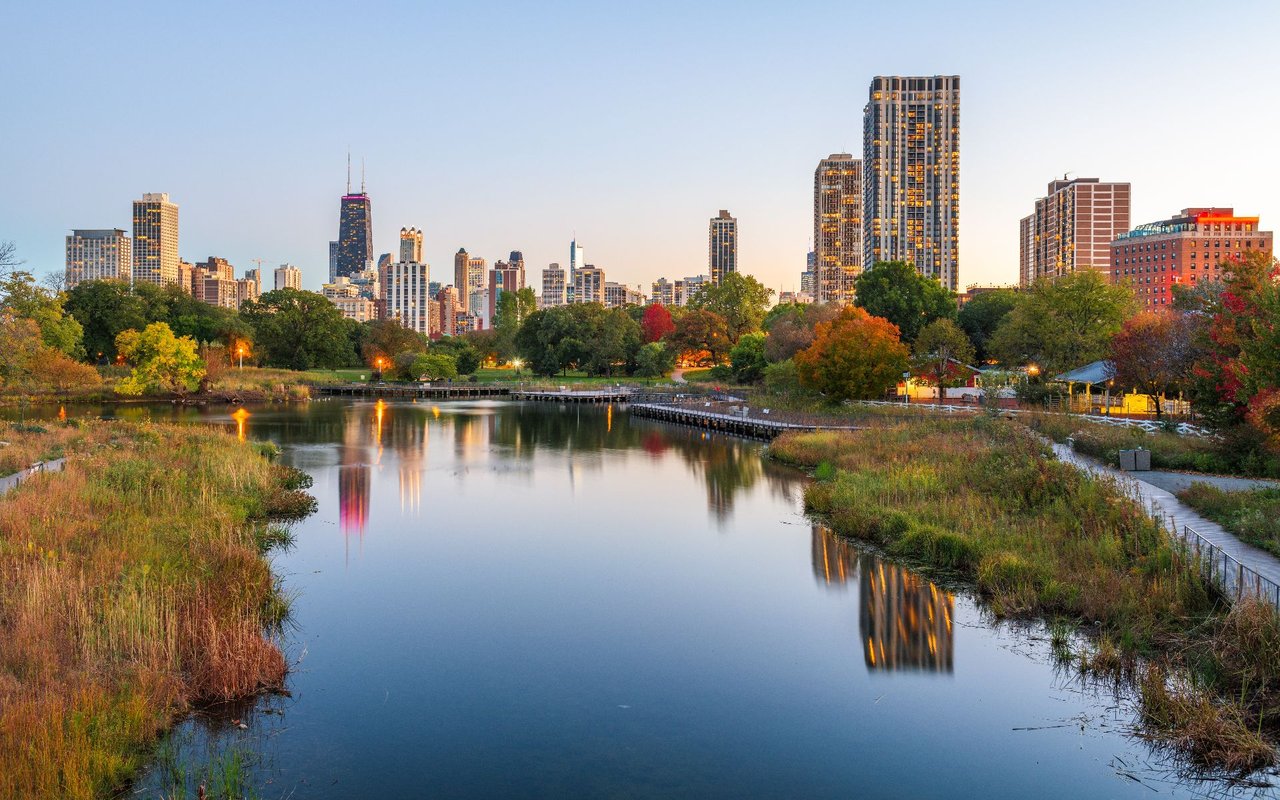
The city's motto, "Urbs in horto" (City in a Garden), isn't just ceremonial. With 8,800+ acres of parkland, 580 parks, and an 18.5-mile lakefront trail, green space is woven into daily life here.
After the Great Chicago Fire of 1871 destroyed nearly every structure in a four-square-mile area, the city rebuilt almost entirely in brick and stone. That decision left behind one of the most durable and architecturally significant collections of residential buildings in the country.
Key Takeaway: Chicago's housing wasn't built for the wealthy and handed down. It was built by and for working people, and that practical, high-quality DNA still defines the city's homes today.
Workers' Cottages: Narrow, one-to-one-and-a-half-story homes built for 19th-century laborers. Wood siding, pitched roofs, Victorian-era details. Still found throughout Bridgeport, West Town, Logan Square, and Brighton Park.
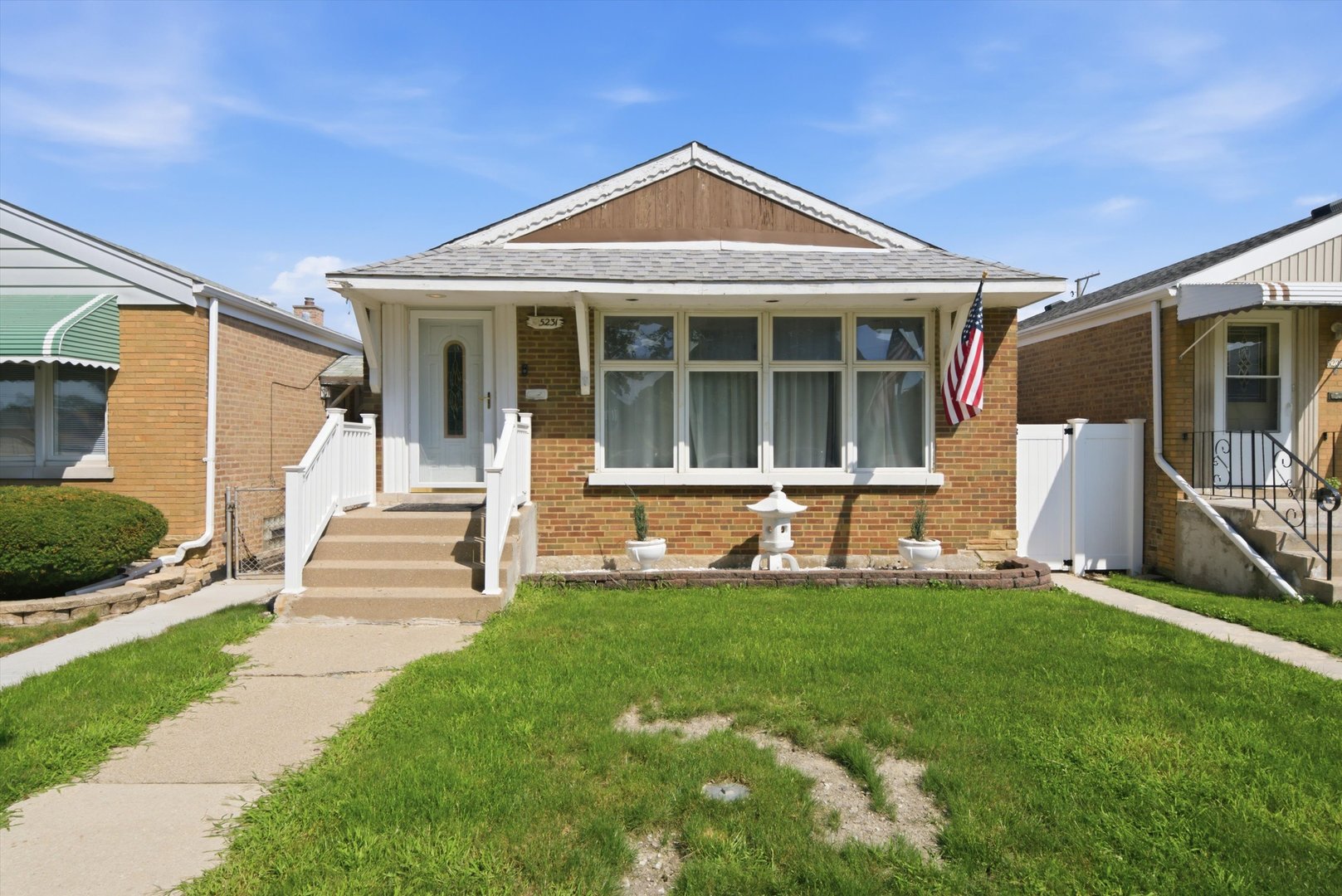
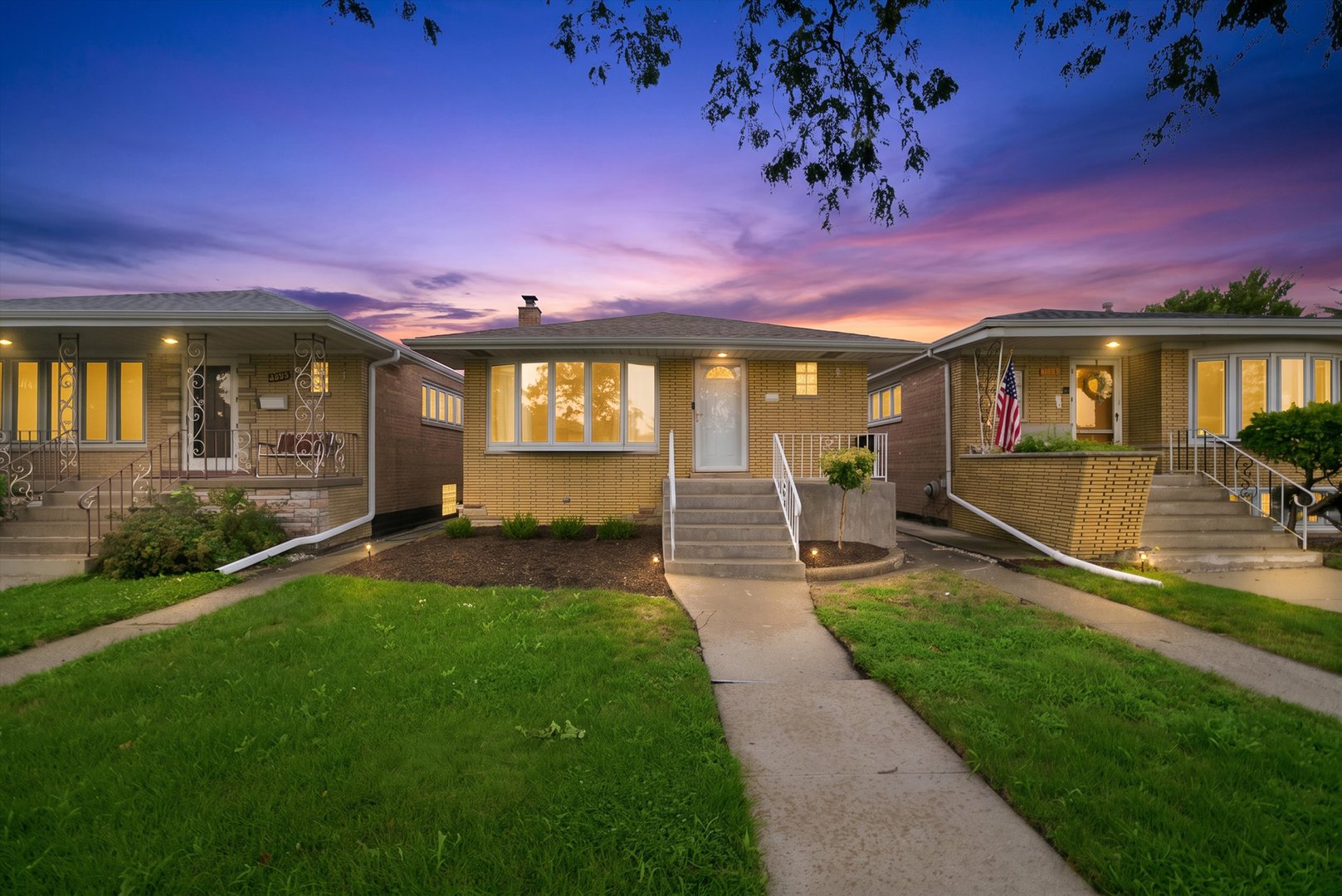
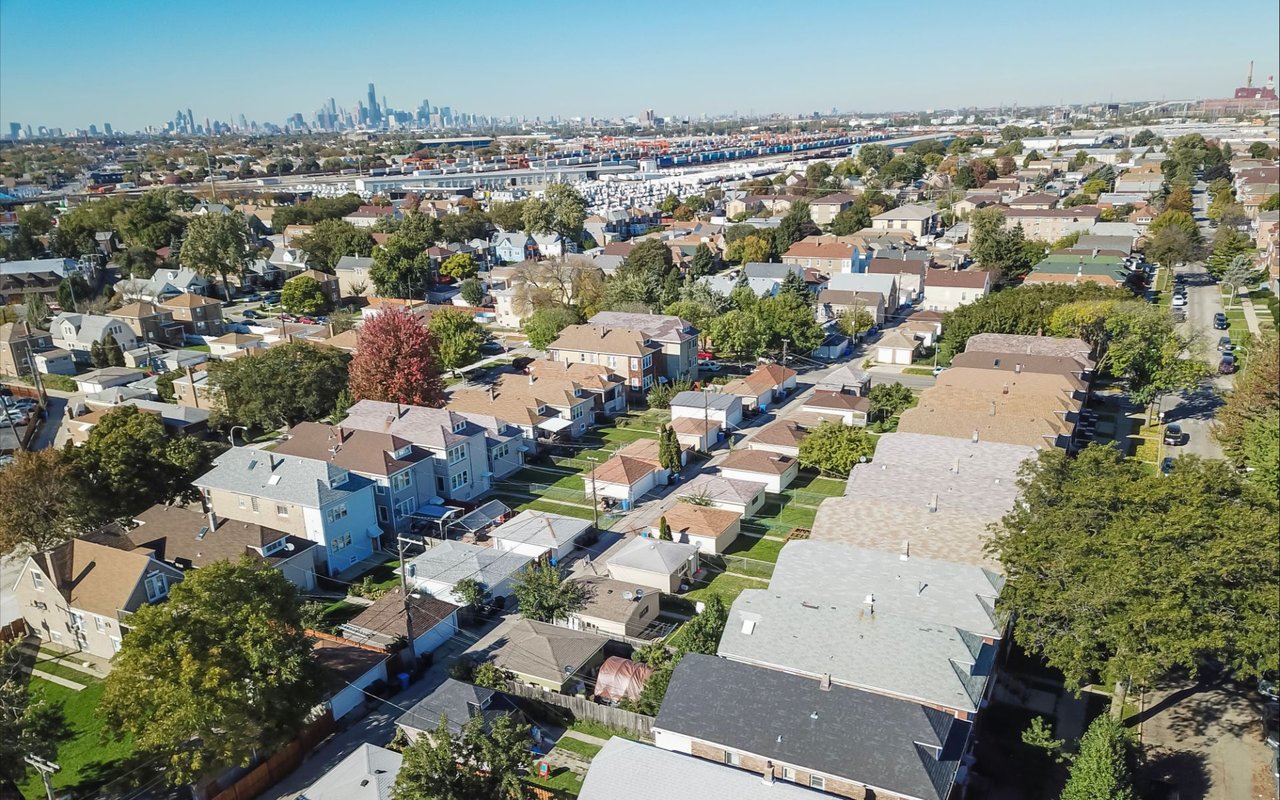
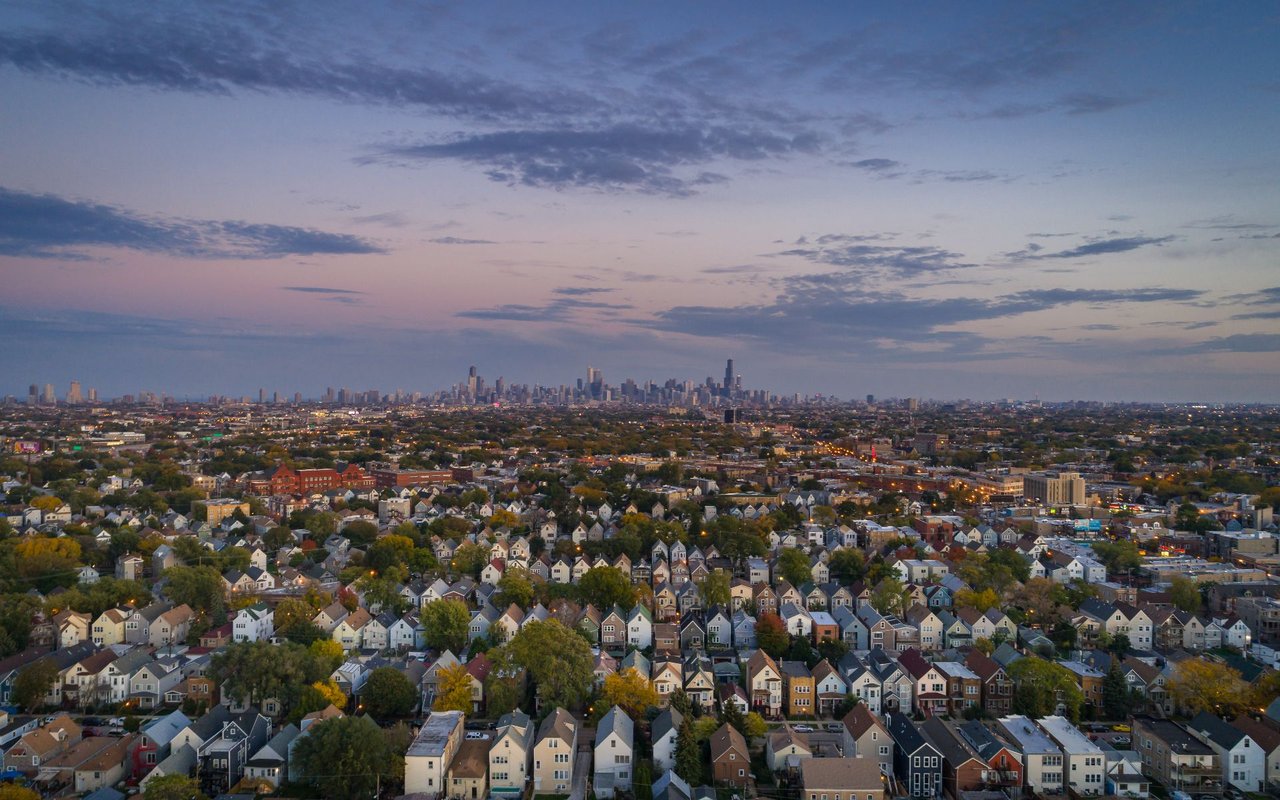
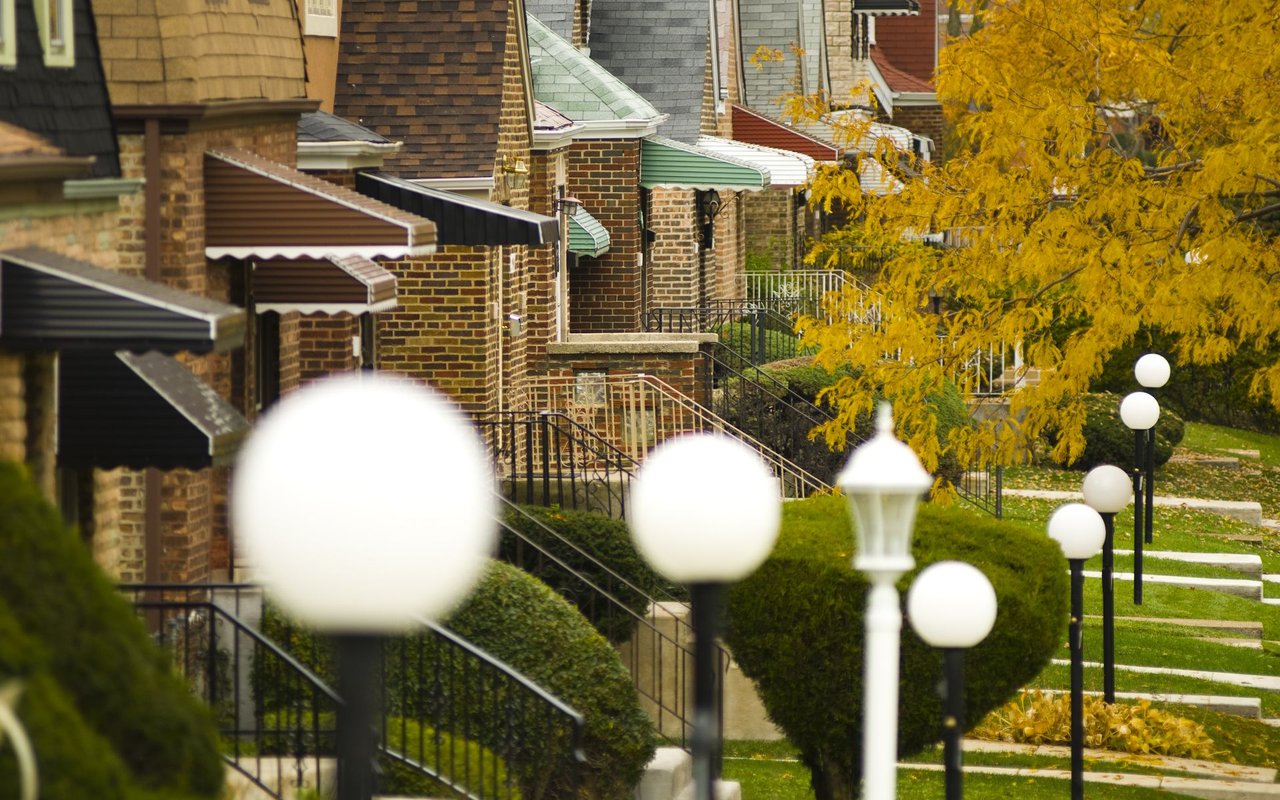
Chicago Bungalows: More than 80,000 brick homes form a "Bungalow Belt" ringing the city. Built between 1910 and 1930 with low-pitched roofs, Arts and Crafts details, and open floor plans.
Greystones: Chicago's answer to the New York brownstone. Indiana limestone facades, Romanesque arches or Neoclassical columns, and spacious interiors. Can be single-family or multi-unit.
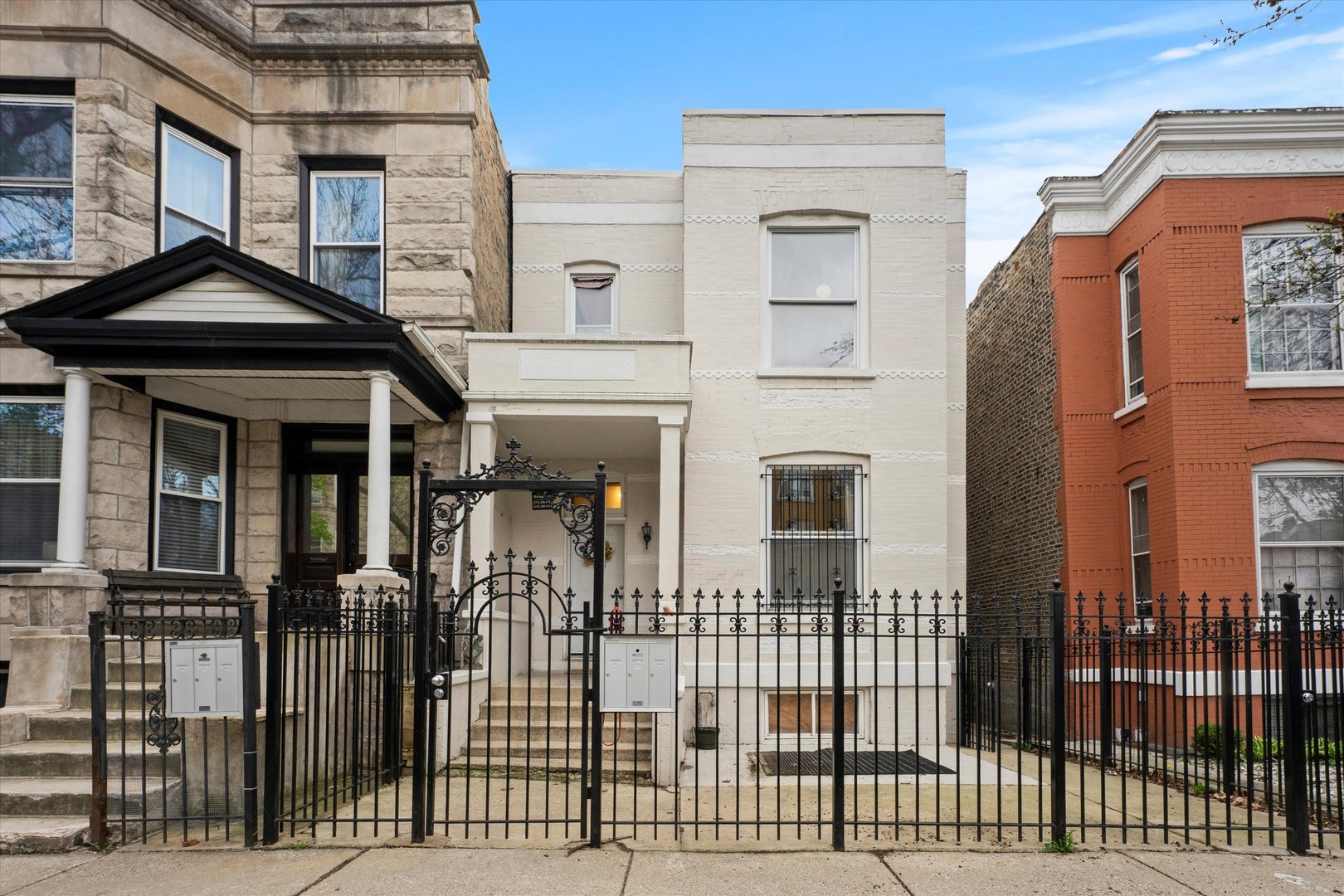
Two-Flats and Three-Flats: The workhorse of the city's housing stock. Consistent floor plans, found everywhere, and popular with first-time buyers, investors, and renters alike.
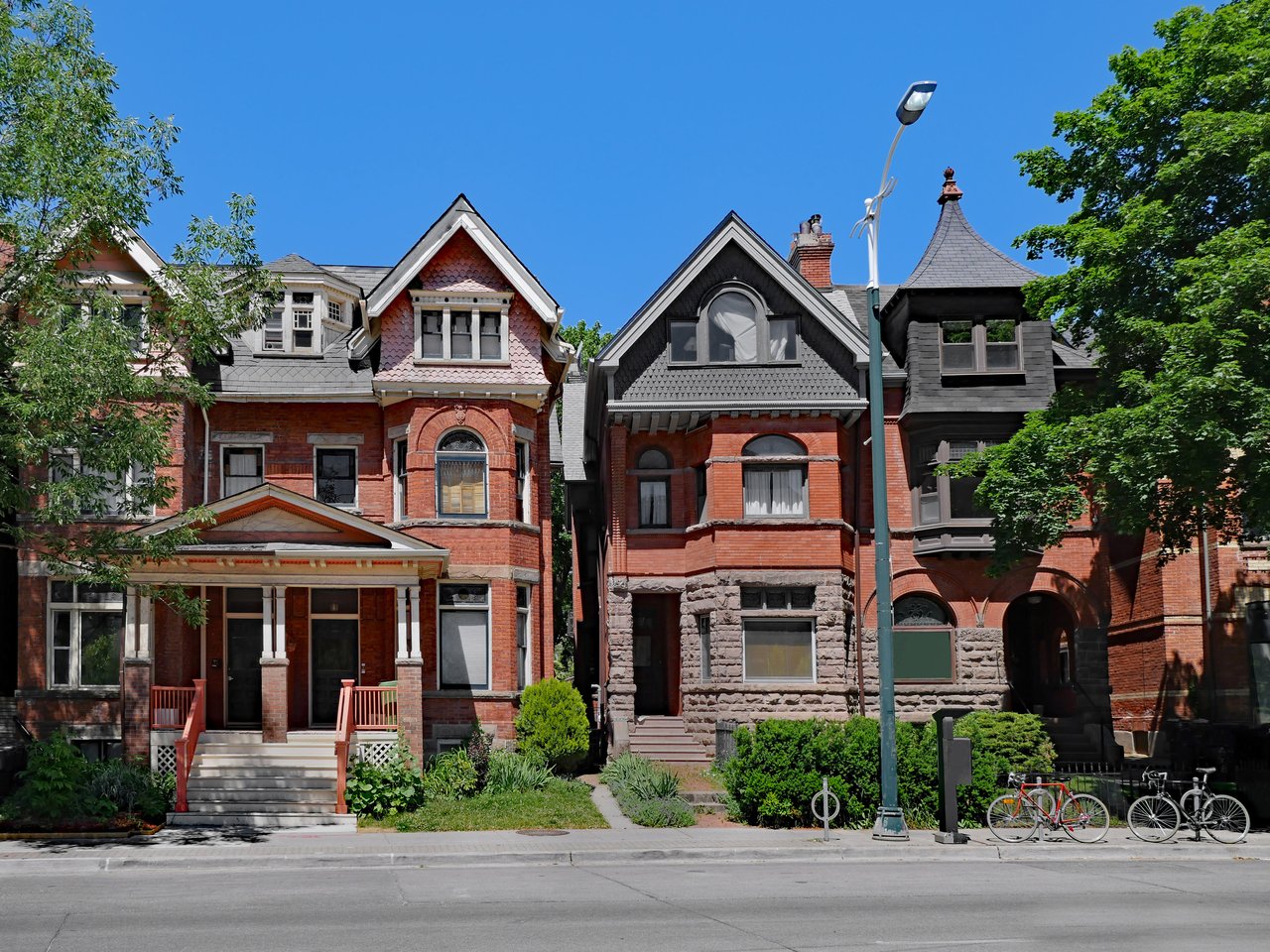
Victorian Queen Annes: The showstoppers. Ornate detailing, columns, spires, wraparound porches, and stained glass. Typically found on corner lots for maximum natural light.
Local Tip: If you're drawn to vintage architecture, look for neighborhoods where the Chicago Bungalow Association or local historic preservation groups are active. Some Bungalow Historic Districts offer tax incentives for restoration.
| Home Style | Where to Look |
|---|---|
| Workers' Cottages | Bridgeport, West Town, Brighton Park, Logan Square |
| Bungalows | Albany Park, Jefferson Park, Chatham, Belmont Cragin |
| Greystones | Logan Square, Rogers Park, Beverly, South Shore |
| Two/Three-Flats | Avondale, Lakeview, Uptown, Logan Square |
| Victorian Queen Annes | Lincoln Park, Lakeview, Wicker Park |
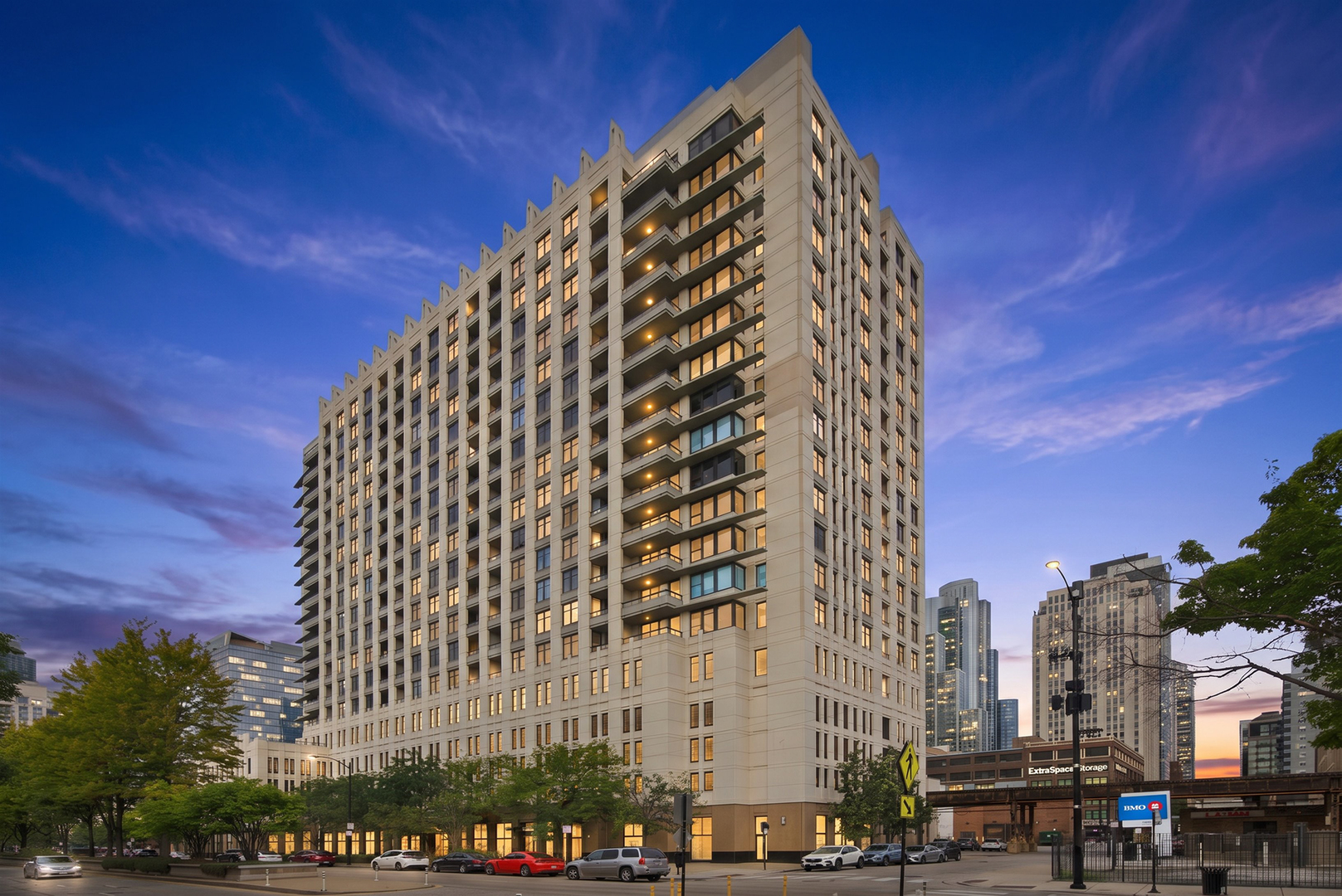
| High-Rise Condos | Loop, South Loop, River North, Streeterville, West Loop |
Lincoln Park: Luxury singles and condos alongside converted cottages. Zoo, lakefront, top-rated schools, and upscale retail.
Lakeview / Wrigleyville: Condos and vintage multi-units. Home to Wrigley Field, a lively bar scene, and strong walkability.
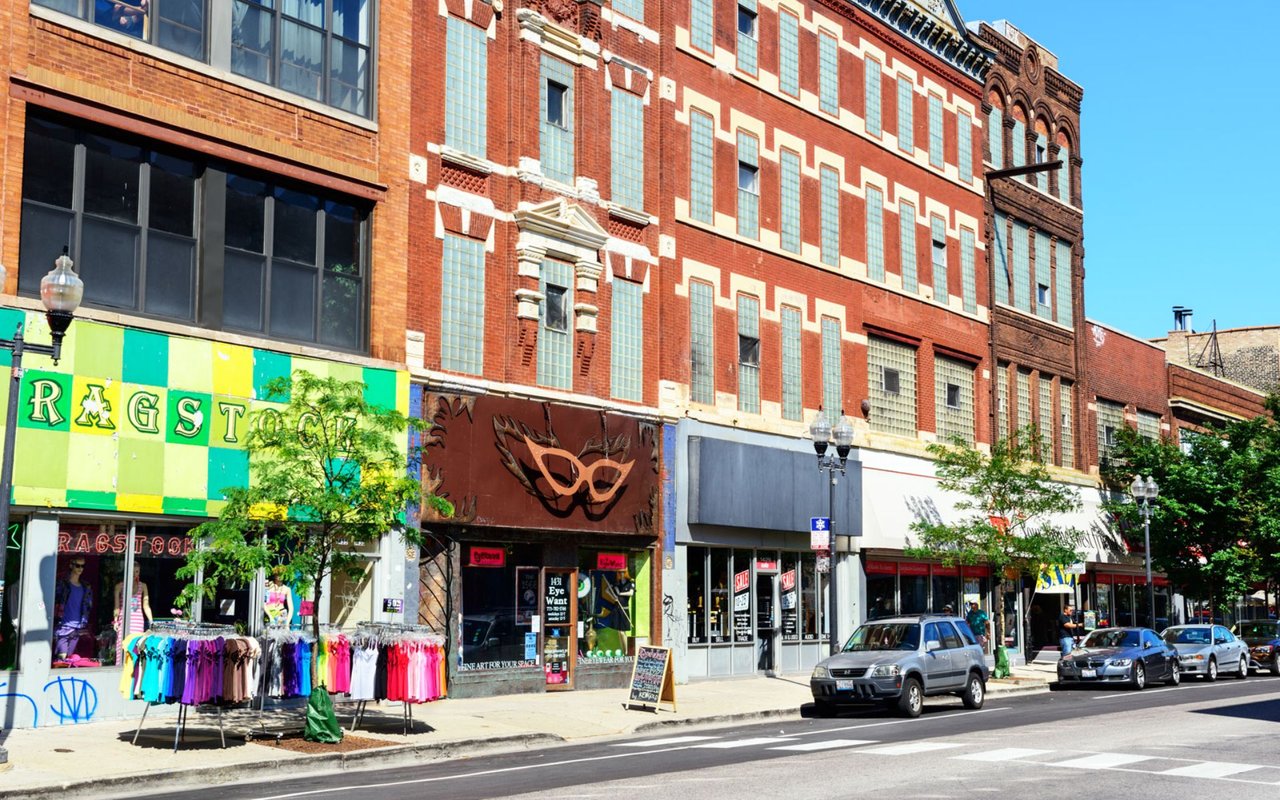
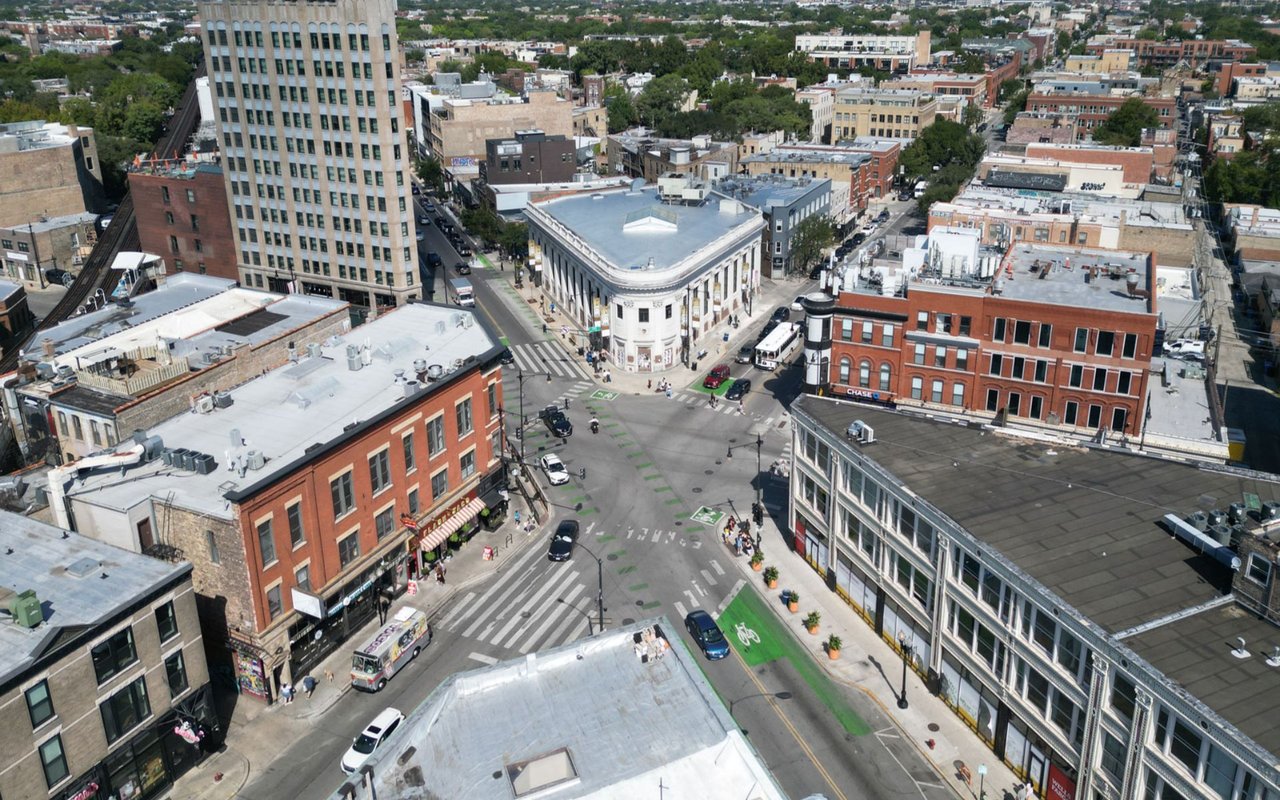
Wicker Park / Bucktown: Historic brownstones, frame houses, and converted lofts. Creative energy, independent shops, and The 606 trail.
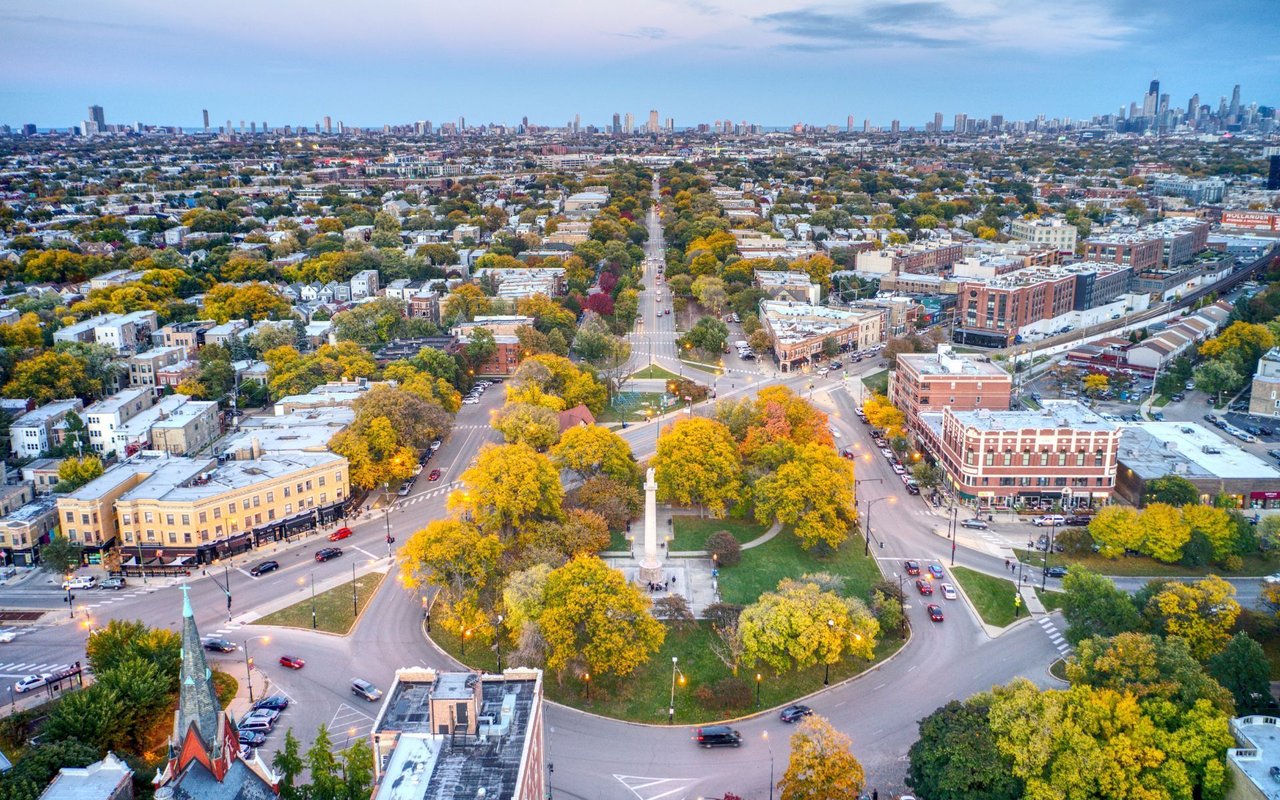
Logan Square: Greystones, two-flats, and new construction. A former working-class neighborhood now popular with young professionals and families.
Lincoln Square / Ravenswood: German heritage, small-town feel, and a walkable commercial strip. Vintage two-flats and single-family homes. Strong for families.
Andersonville / Edgewater: Former Swedish enclave with independent businesses, coffee shops, and lower price points. Courtyard apartments and vintage multi-flats.
Rogers Park: One of the city's most internationally influenced neighborhoods. Courtyard apartments, multi-flats, and affordable lakefront access. Over 40 languages spoken.
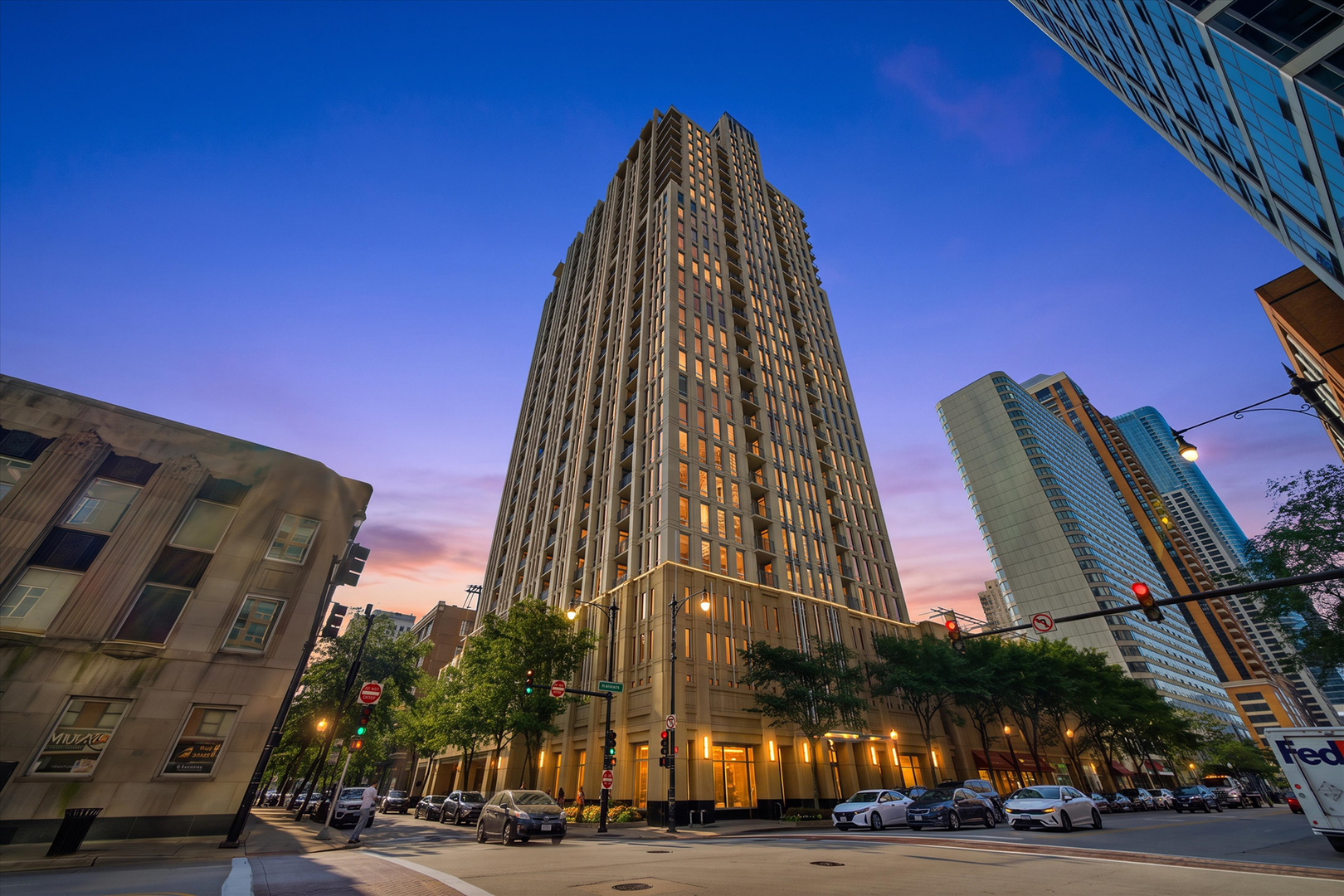
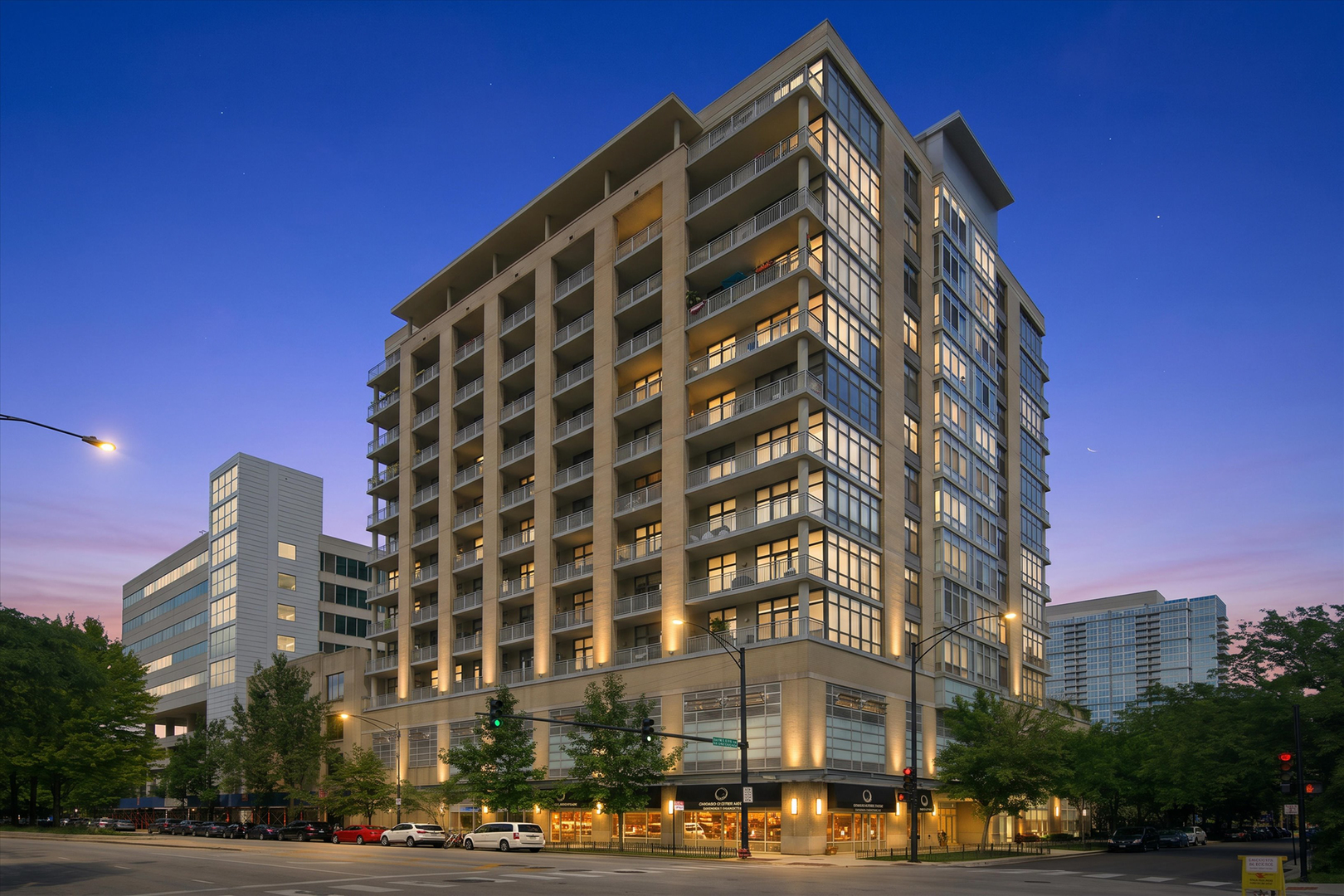
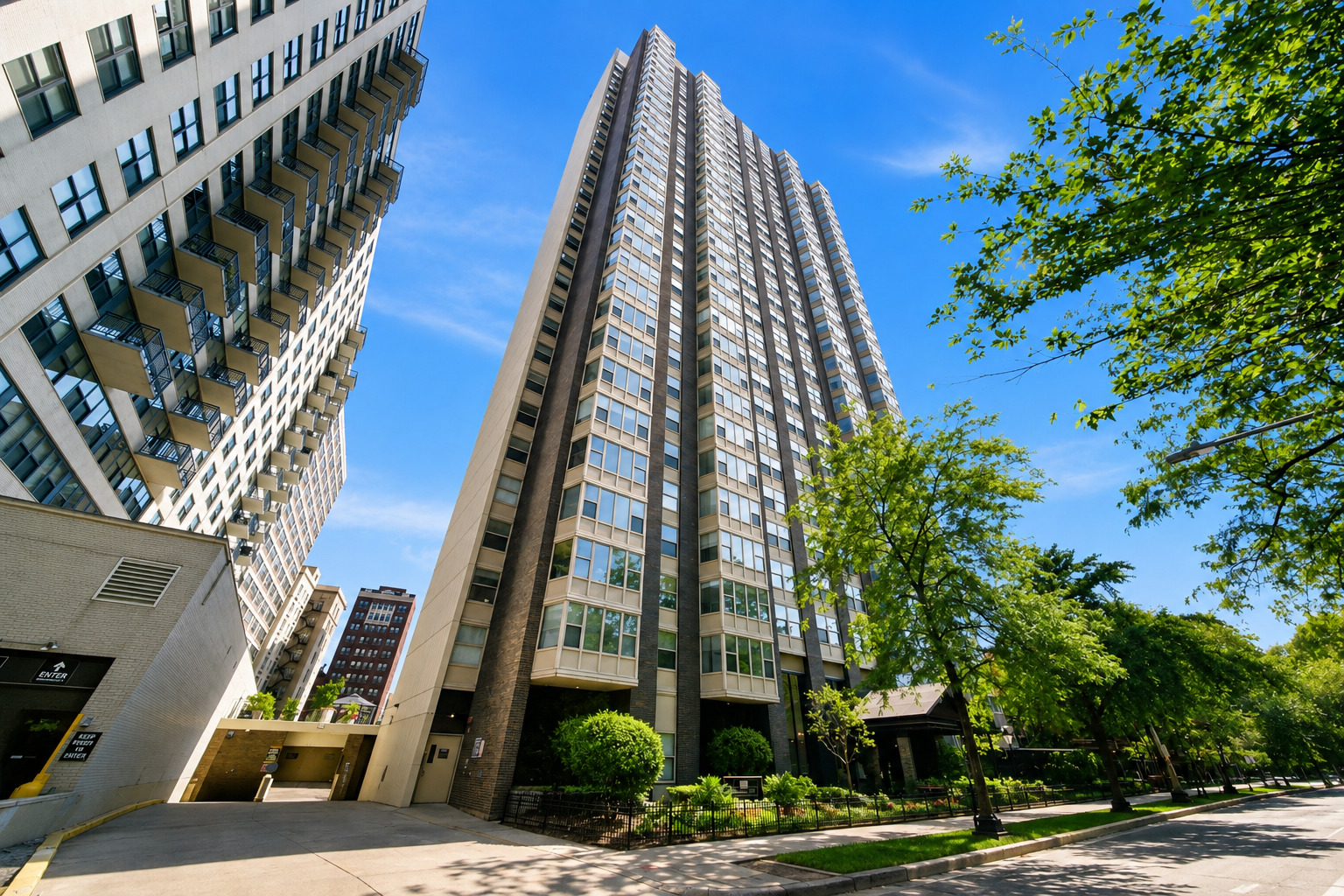
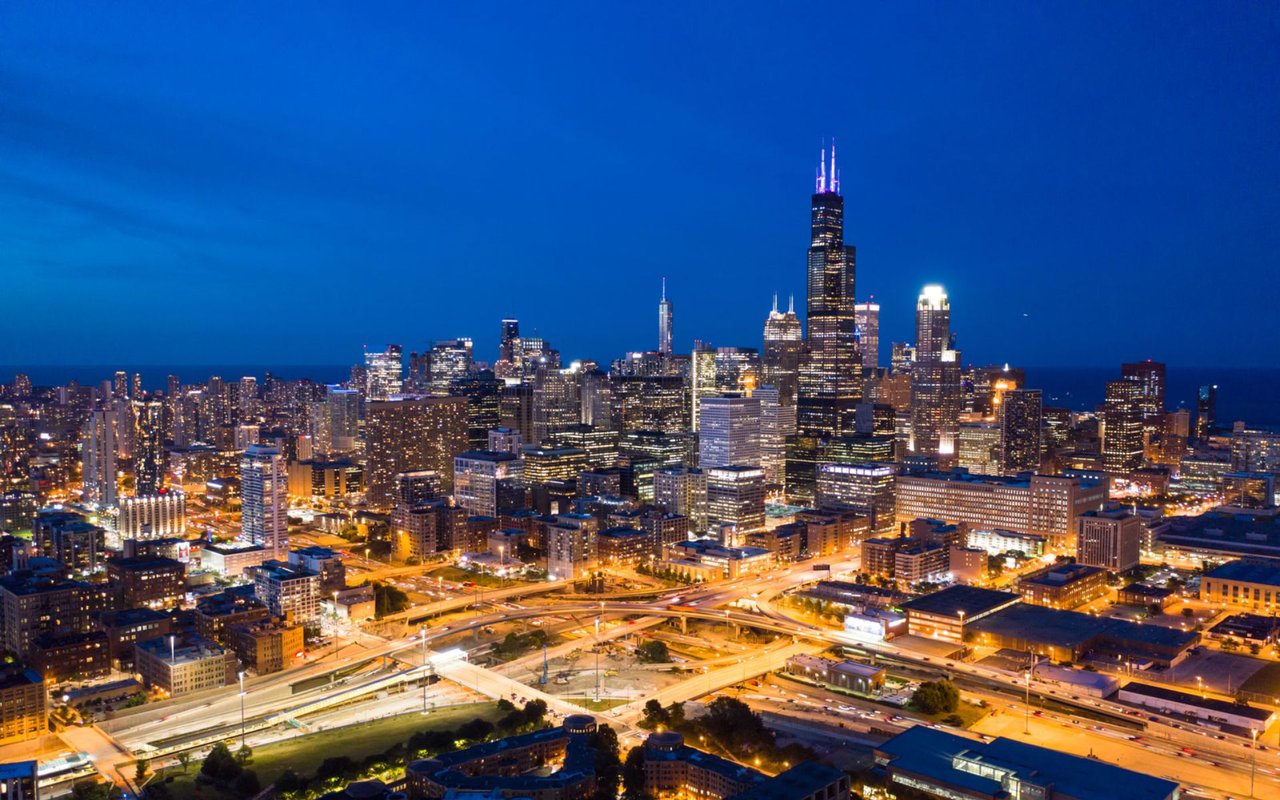
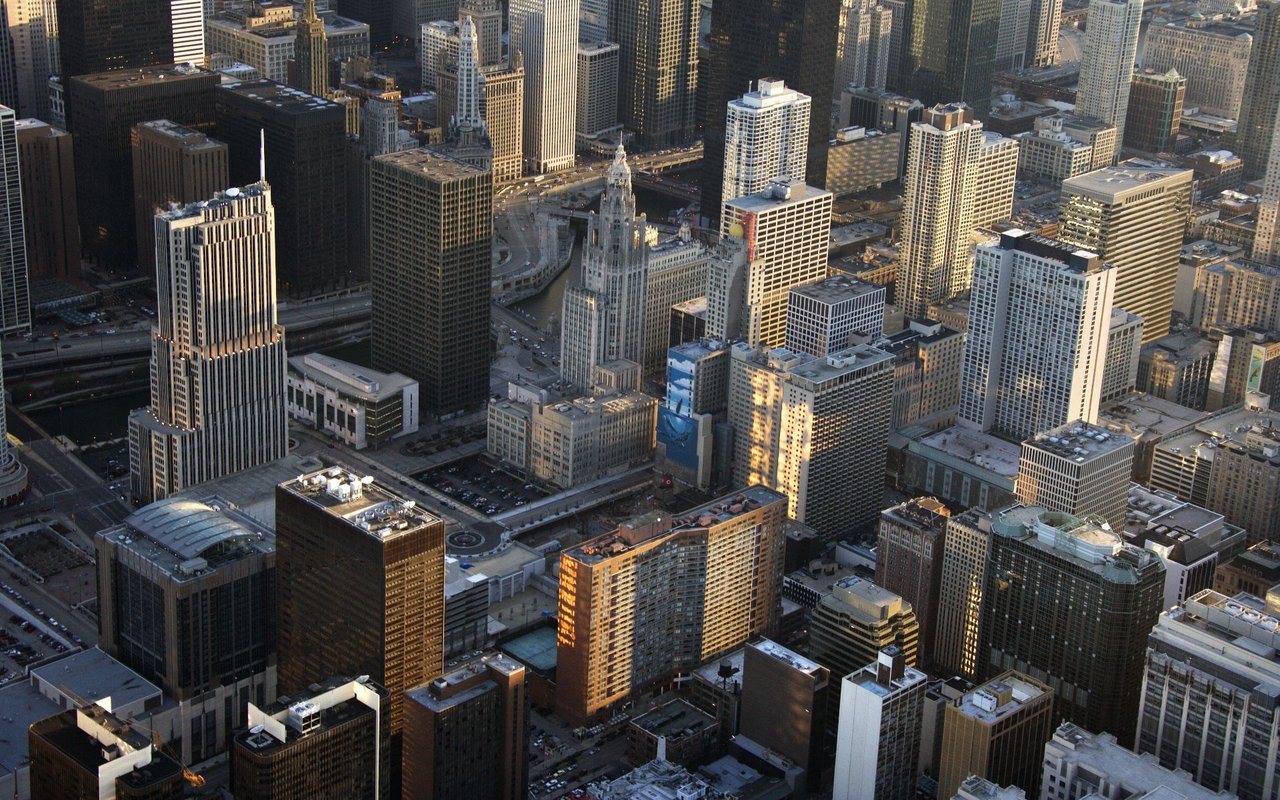
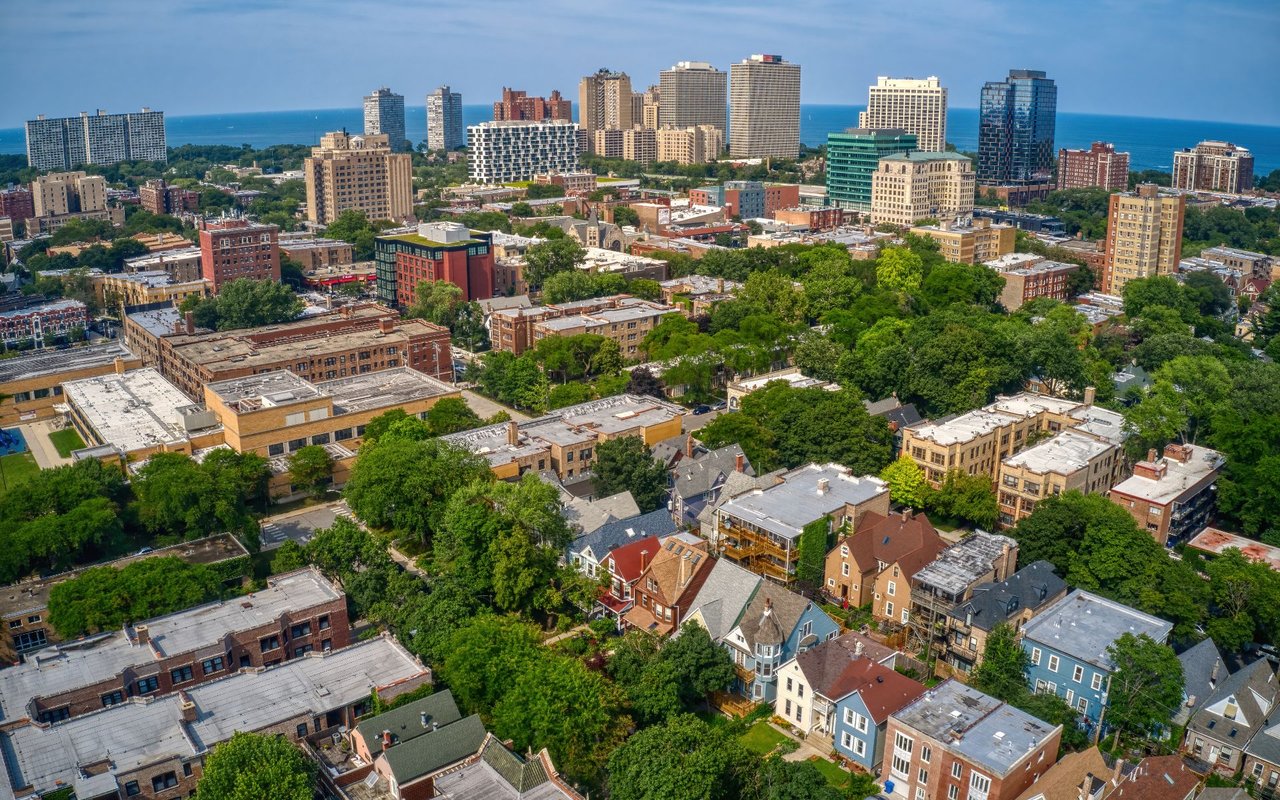
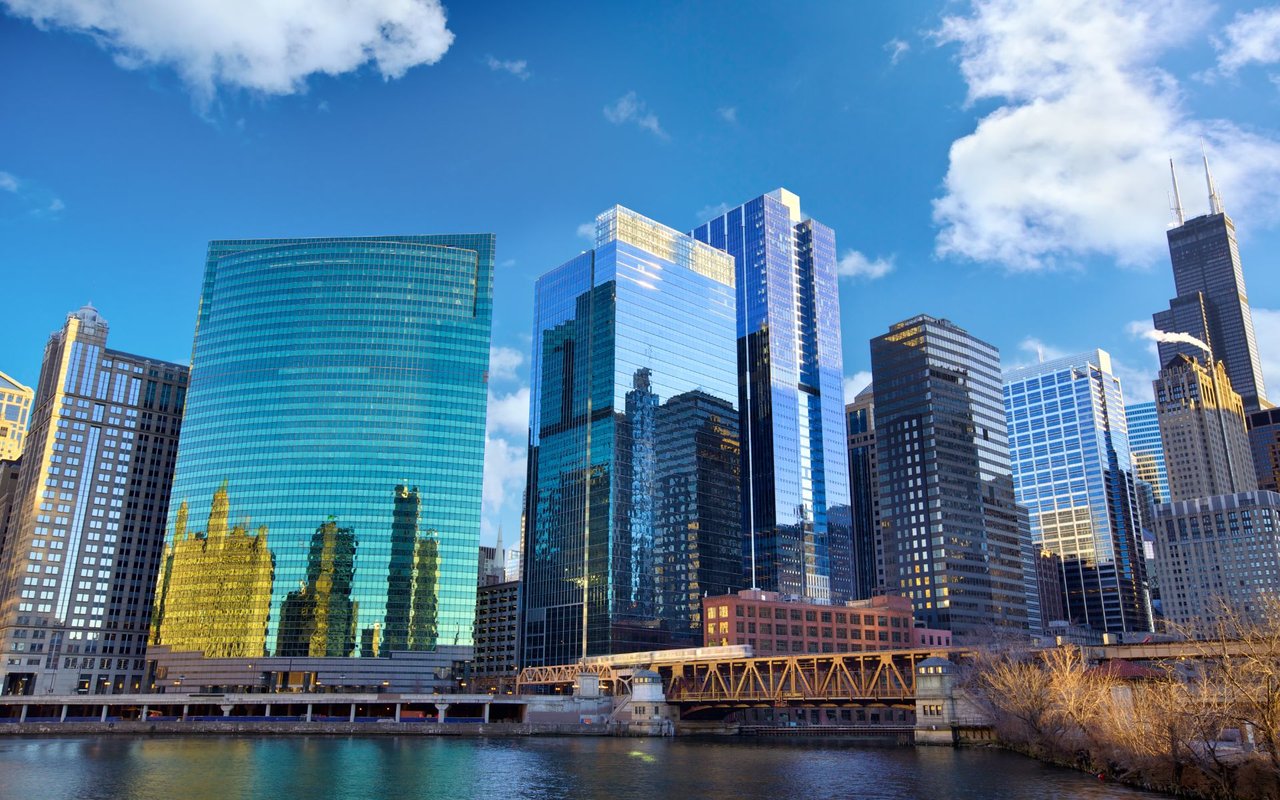
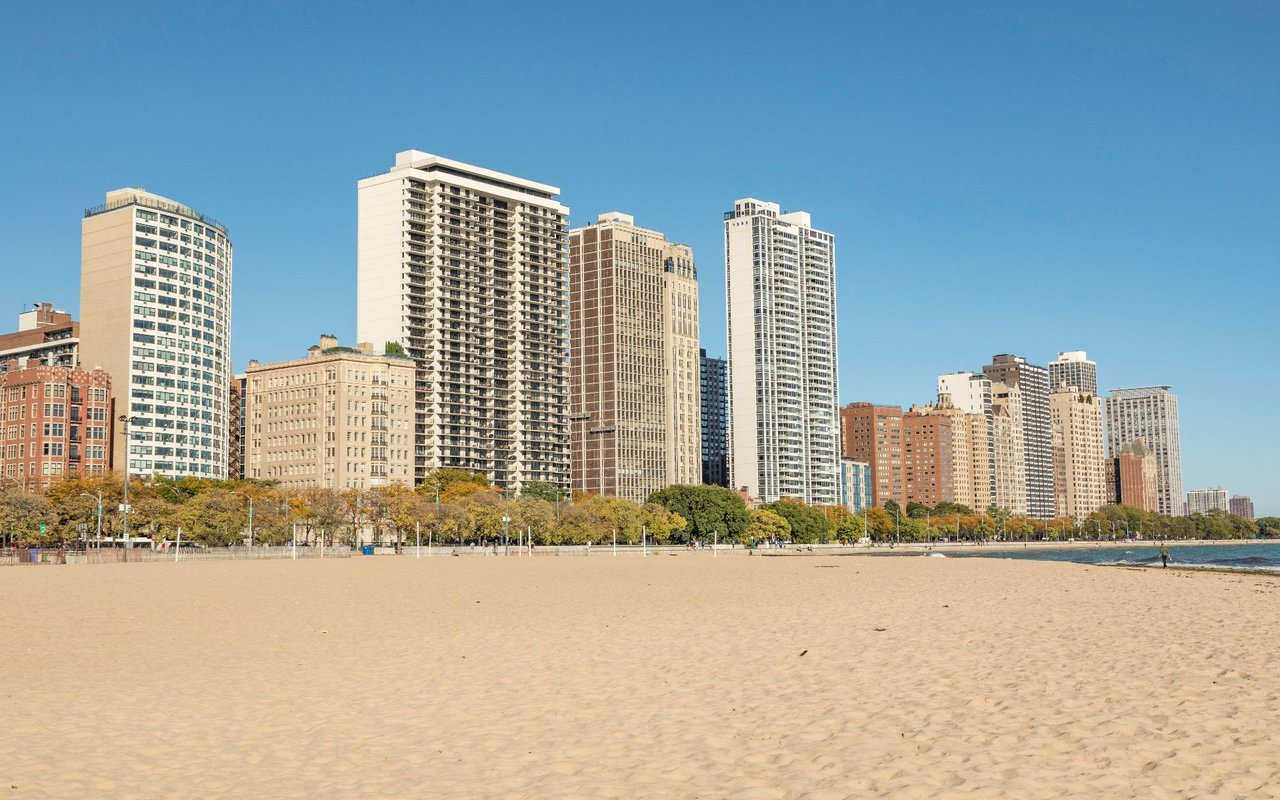
The Loop: The central business district. High-rise condos and apartments with skyline and lake views. Walking distance to Millennium Park, the Art Institute, and major transit hubs.
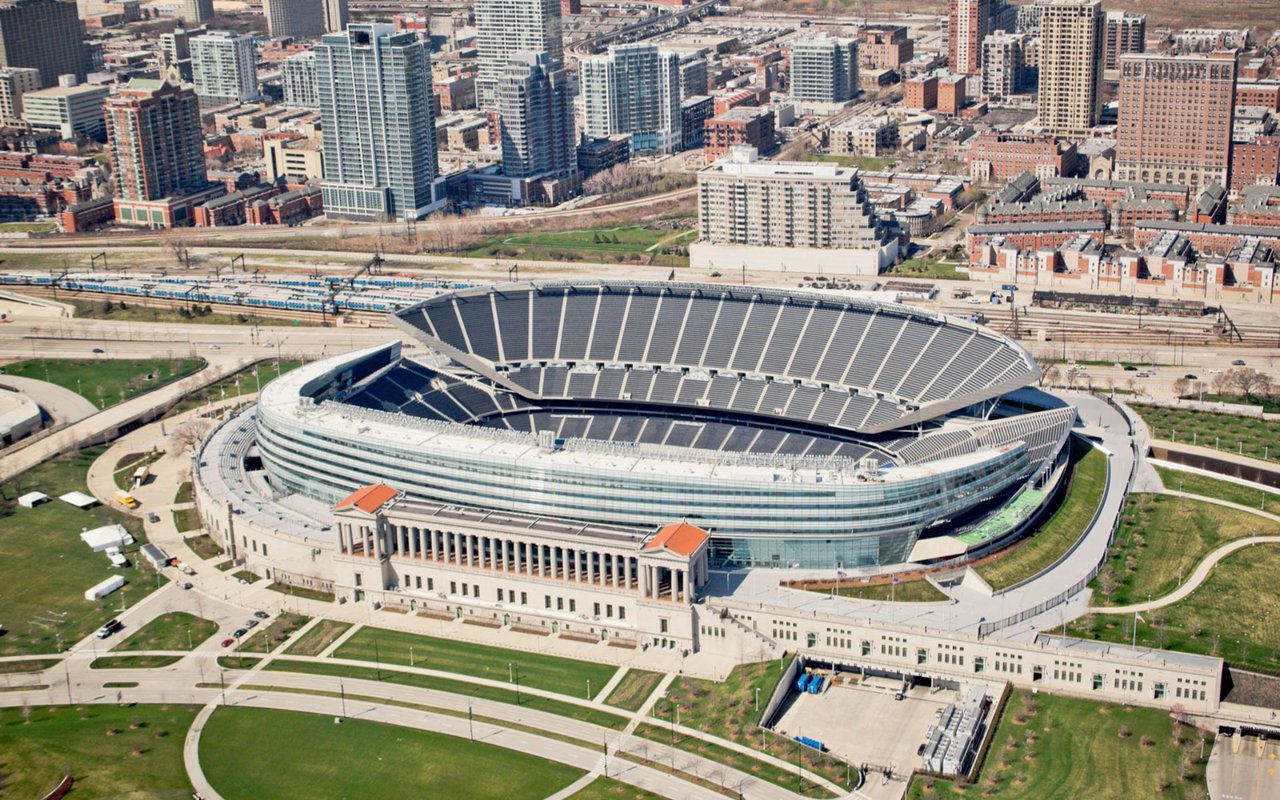
South Loop: A more residential feel than the Loop, with proximity to the Field Museum, Shedd Aquarium, Soldier Field, and Grant Park. Mid-rise and high-rise condos.
River North: Art galleries, high-end dining, and nightlife. Modern high-rise apartments and condos. Popular with young professionals.
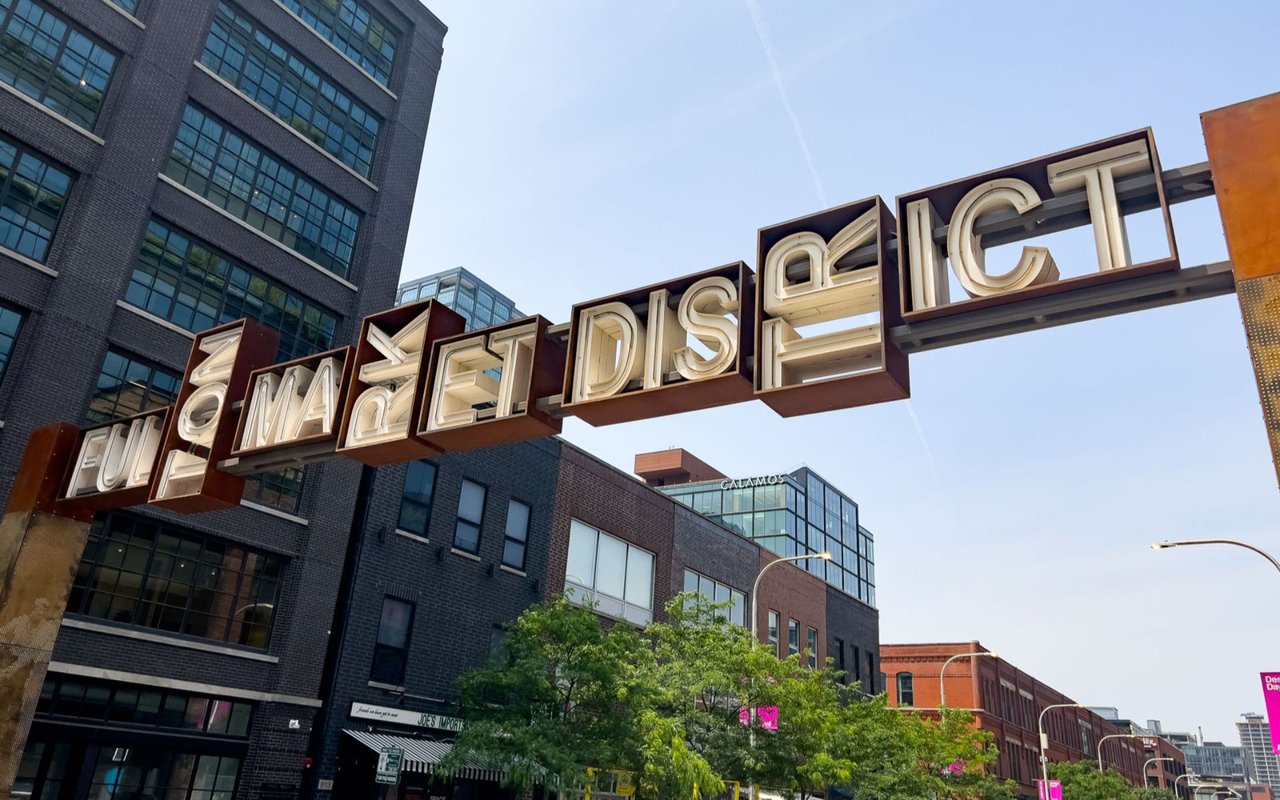
West Loop / Fulton Market: Formerly industrial, now the city's hottest restaurant corridor. Converted lofts, new-construction condos, and a fast-paced energy.
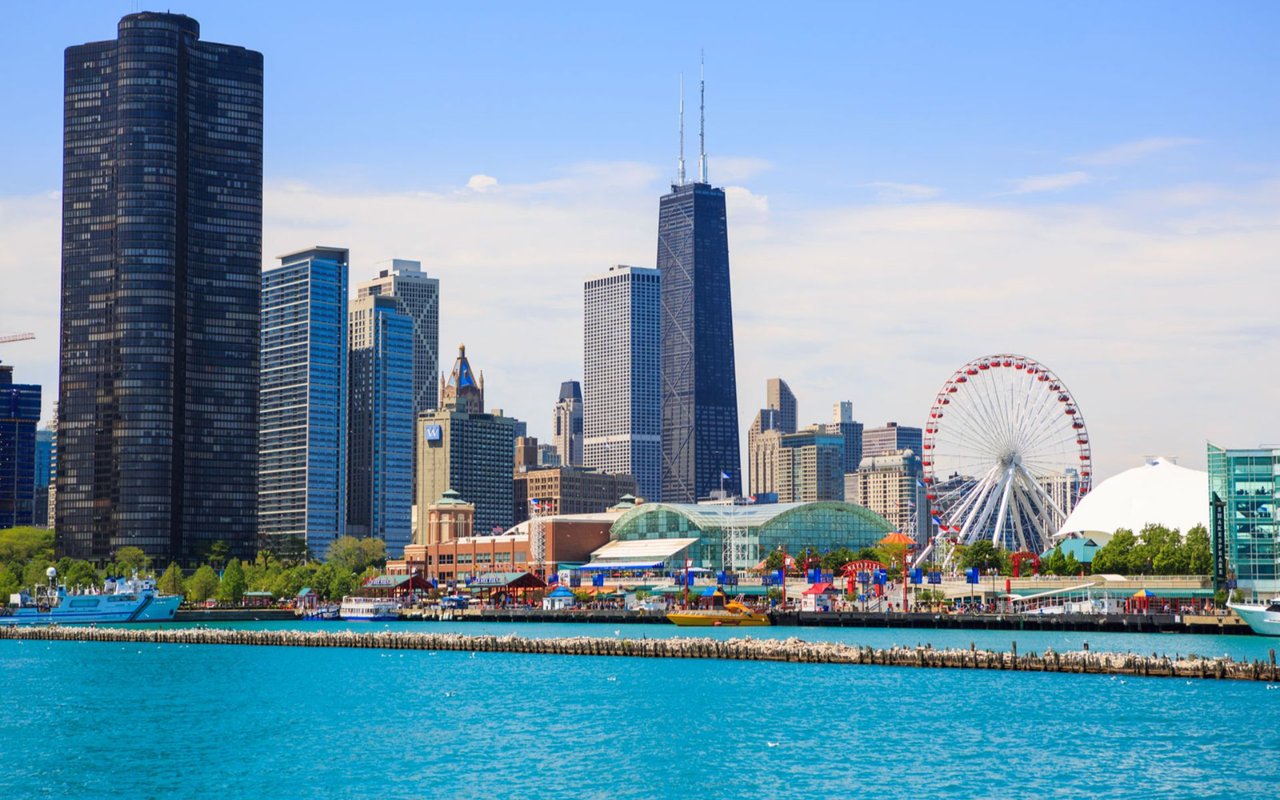
Streeterville: Lakefront living near Navy Pier and the Magnificent Mile. Dominated by high-rise towers with lake or city views.
Local Tip: West Loop and Fulton Market have transformed rapidly. Former warehouse buildings now house restaurants, tech offices, and residential lofts. It's one of the most in-demand neighborhoods in the city.
Ukrainian Village: Eastern European heritage meets modern renovations. Converted cottages, three-flats, and Orthodox churches.
Humboldt Park: Strong Puerto Rican cultural identity. Workers' cottages, bungalows, and a 207-acre park with paddleboats and a historic boathouse.
Avondale: An eclectic, family-friendly neighborhood with two-flats, bungalows, and a growing restaurant scene. Still relatively affordable.
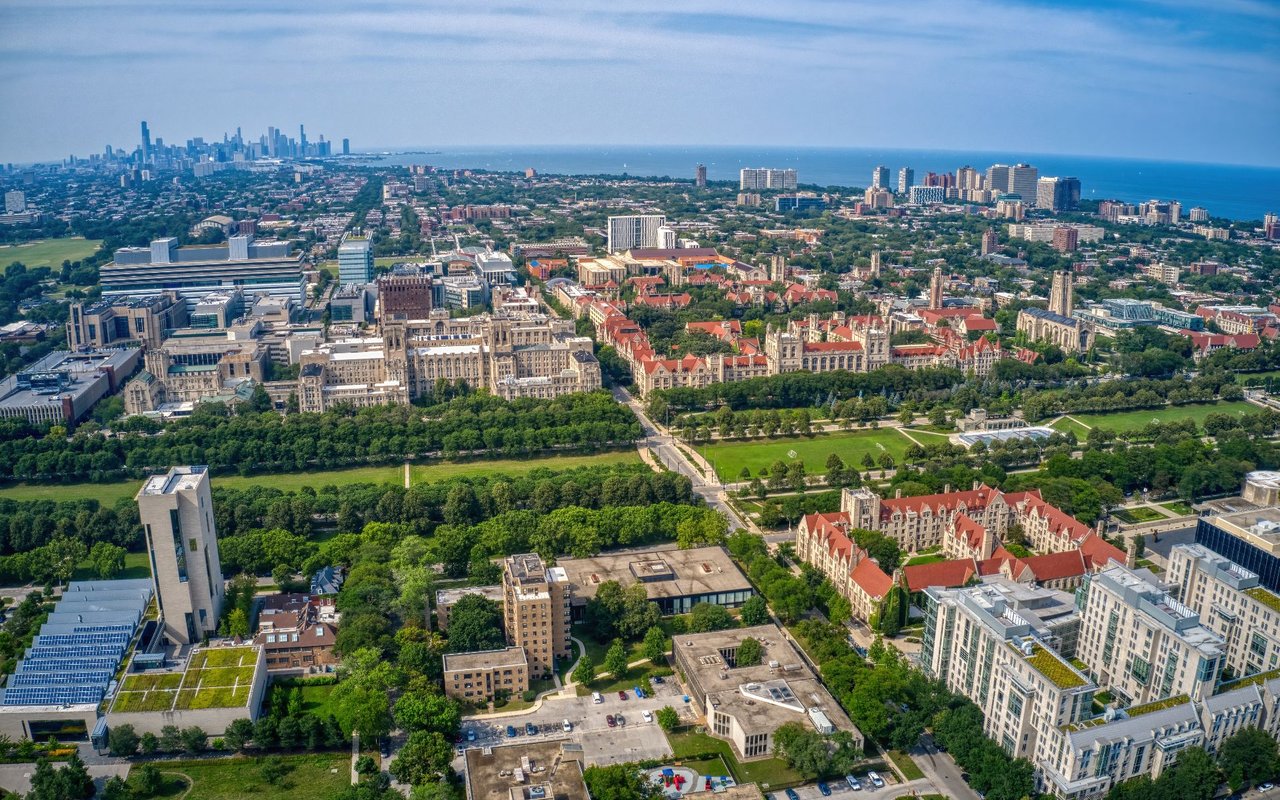
Hyde Park: Home to the University of Chicago. Stately homes, courtyard apartments, and solid brick construction. Jackson Park and the future Obama Presidential Center.
Beverly / Morgan Park: Craftsman-style homes, large lots, and a suburban feel within city limits. Strong community identity and one of the best-kept-secret neighborhoods in the city.
Pilsen: A historic Mexican-American neighborhood with colorful murals, galleries, and a growing arts community. Cottages, multi-flats, and newer infill construction.
Bridgeport: One of Chicago's oldest neighborhoods. Workers' cottages, brick multi-flats, and proximity to the South Side's sports venues and cultural institutions.
| Feature | North Side | South Side |
|---|---|---|
| Vibe | Dense, walkable, transit-heavy | More space, community-oriented, cultural depth |
| Typical Homes | Condos, multi-flats, greystones | Bungalows, cottages, single-family, courtyard apartments |
| Green Space | Lincoln Park, lakefront beaches | Jackson Park, Washington Park, large neighborhood parks |
| Best For | Young professionals, transit commuters | Families, buyers wanting more space, architectural enthusiasts |
The CTA's "L" train is the backbone of daily life. Eight lines radiate from the Loop, and two (Red and Blue) run 24 hours a day.
Beyond the "L," Chicago offers:
Local Tip: Proximity to an "L" stop is one of the most important factors in Chicago real estate. The Brown Line is especially popular with families and commuters who want a reliable, scenic ride through the North Side.
Chicago's food reputation is not overstated. Multiple Michelin stars, consistent national recognition, and a restaurant scene driven by independent, chef-owned concepts rather than corporate groups.
West Loop / Fulton Market: The city's restaurant row. Award-winning spots sit alongside bakeries, cocktail bars, and international concepts.
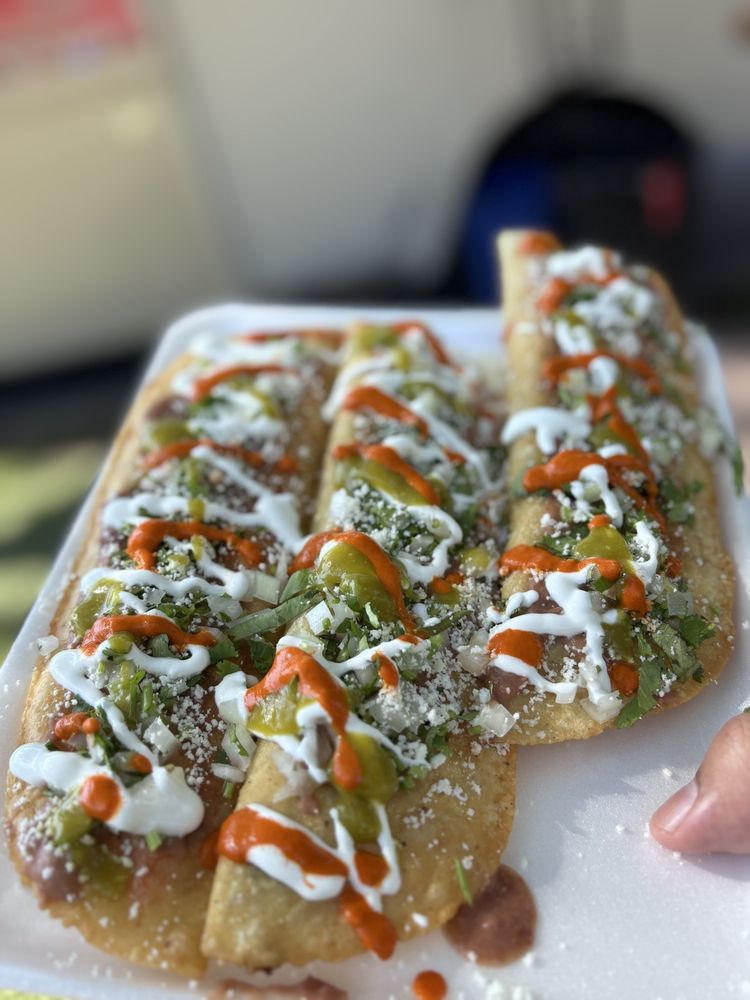
Pilsen: Personal, heritage-driven Mexican restaurants and fusion spots. Murals on the outside, mole on the inside.
Chinatown: One of the oldest Chinese communities in the country. Dim sum, hot pot, and bakeries in a few walkable blocks.
Andersonville: Coffee shops, brunch spots, and one-of-a-kind retail along Clark Street.
Devon Avenue (Rogers Park / West Ridge): South Asian grocery stores, sari shops, and some of the best Indian and Pakistani food in the Midwest.
Don't sleep on the classics, either:
Key Takeaway: In 2025, both Sanders BBQ in Beverly and Cariño in Uptown were named to the New York Times' list of America's Best Restaurants. Alinea topped Robb Report's ranking of the 100 Greatest American Restaurants of the 21st Century. The range here, from neighborhood counters to world-class tasting menus, is the point.
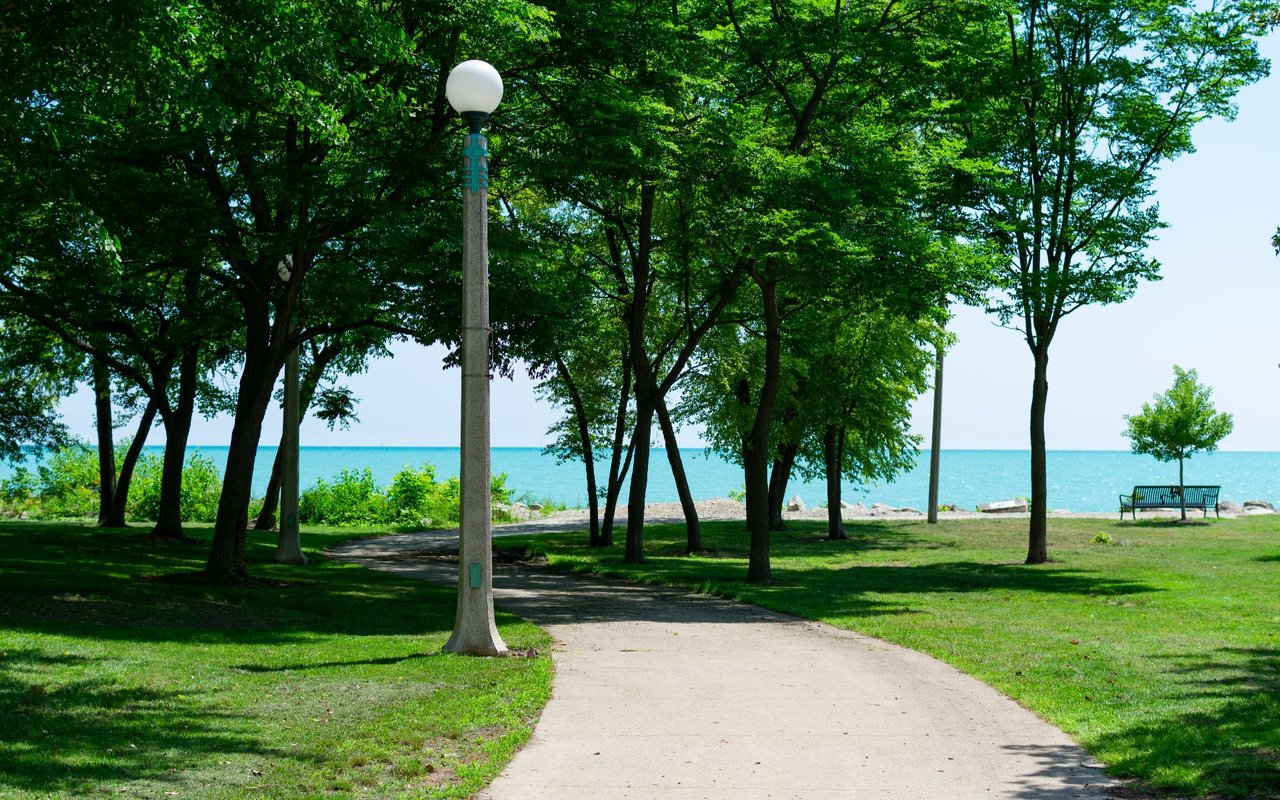
The Lakefront Trail stretches 18.5 miles with separate lanes for pedestrians and cyclists. Along the way, it connects four major lakefront parks, 25 beaches, museums, boat harbors, and waterfront restaurants.
Key green spaces to know:
Local Tip: Montrose Point Bird Sanctuary, on the North Side lakefront, attracts tens of thousands of migratory birds each spring and fall. Locals call its best stretch "The Magic Hedge."
Chicago Public Schools (CPS) serves about 316,000 students across a wide range of school types:
Families also have access to a strong network of private and parochial schools, from Latin School of Chicago and the University of Chicago Lab Schools to Catholic parish schools throughout the city.
Local Tip: The school search process in Chicago can be complex, with separate applications for selective enrollment, magnet, and neighborhood schools. Start early and explore both public and private options.
Chicago's cultural infrastructure is staggering:
Every neighborhood has its own events calendar:
Wicker Park: Renegade Craft Fair, live music at Subterranean and The Empty Bottle
Andersonville: Midsommarfest in June, honoring the neighborhood's Swedish roots
Pilsen: First Friday gallery walks and the annual Día de los Muertos celebration
Lakeview / Wrigleyville: Cubs games, sports bars, and the energy of one of baseball's most iconic stadiums
Humboldt Park: The Puerto Rican People's Parade and cultural festivals in the park
Key Takeaway: Chicago is a city where people live in neighborhoods, not just in a city. That block-level identity, built over more than a century of immigration, industry, and reinvention, is what makes buying a home here feel less like a transaction and more like choosing a community.
2,707,650 people live in Chicago, where the median age is 35.7 and the average individual income is $48,148. Data provided by the U.S. Census Bureau.
Total Population
Median Age
Population Density Population Density This is the number of people per square mile in a neighborhood.
Average individual Income
There's plenty to do around Chicago, including shopping, dining, nightlife, parks, and more. Data provided by Walk Score and Yelp.
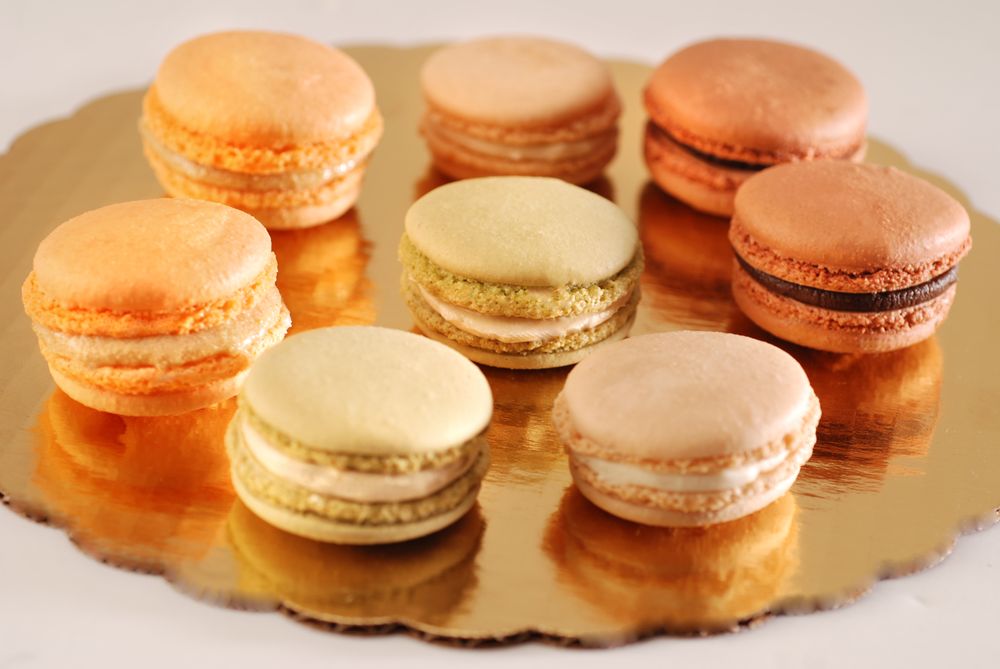
Explore popular things to do in the area, including L P I Distrubution, Poppie's Bakeshop, and Autlan Grocery.
| Name | Category | Distance | Reviews |
Ratings by
Yelp
|
|---|---|---|---|---|
| Dining | 0.5 miles | 0 reviews | 0/5 stars | |
| Dining · $$$ | 0.52 miles | 21 reviews | 2.8/5 stars | |
| Dining | 0.68 miles | 0 reviews | 0/5 stars | |
| Dining | 0.91 miles | 7 reviews | 5/5 stars | |
| Dining | 0.98 miles | 0 reviews | 0/5 stars | |
| Dining | 1.07 miles | 0 reviews | 0/5 stars | |
| Dining | 1.07 miles | 1 review | 5/5 stars | |
| Dining | 1.24 miles | 0 reviews | 0/5 stars | |
| Dining · $ | 1.25 miles | 24 reviews | 4/5 stars | |
| Dining · $ | 1.29 miles | 41 reviews | 4.8/5 stars | |
| Dining | 1.29 miles | 0 reviews | 0/5 stars | |
| Shopping | 1 miles | 0 reviews | 0/5 stars | |
| Shopping | 1 miles | 0 reviews | 0/5 stars | |
| Shopping | 1.01 miles | 0 reviews | 0/5 stars | |
| Shopping | 1.12 miles | 0 reviews | 0/5 stars | |
| Shopping | 1.28 miles | 0 reviews | 0/5 stars | |
| Active | 1.04 miles | 2 reviews | 3.5/5 stars | |
| Active | 1.07 miles | 0 reviews | 0/5 stars | |
| Active | 1.1 miles | 0 reviews | 0/5 stars | |
| Active | 1.2 miles | 0 reviews | 0/5 stars | |
| Nightlife | 1.19 miles | 2 reviews | 3/5 stars | |
| Beauty | 1.07 miles | 0 reviews | 0/5 stars | |
| Beauty | 1.1 miles | 0 reviews | 0/5 stars | |
| Beauty | 1.17 miles | 0 reviews | 0/5 stars | |
|
|
||||
|
|
||||
|
|
||||
|
|
||||
|
|
||||
|
|
Chicago has 1,146,550 households, with an average household size of 2.32. Data provided by the U.S. Census Bureau. Here’s what the people living in Chicago do for work — and how long it takes them to get there. Data provided by the U.S. Census Bureau. 2,707,650 people call Chicago home. The population density is 11,890 and the largest age group is Data provided by the U.S. Census Bureau.
Total Population
Population Density Population Density This is the number of people per square mile in a neighborhood.
Median Age
Men vs Women
Population by Age Group
0-9 Years
10-17 Years
18-24 Years
25-64 Years
65-74 Years
75+ Years
Education Level
Total Households
Average Household Size
Average individual Income
Households with Children
With Children:
Without Children:
Marital Status
Blue vs White Collar Workers
Blue Collar:
White Collar:
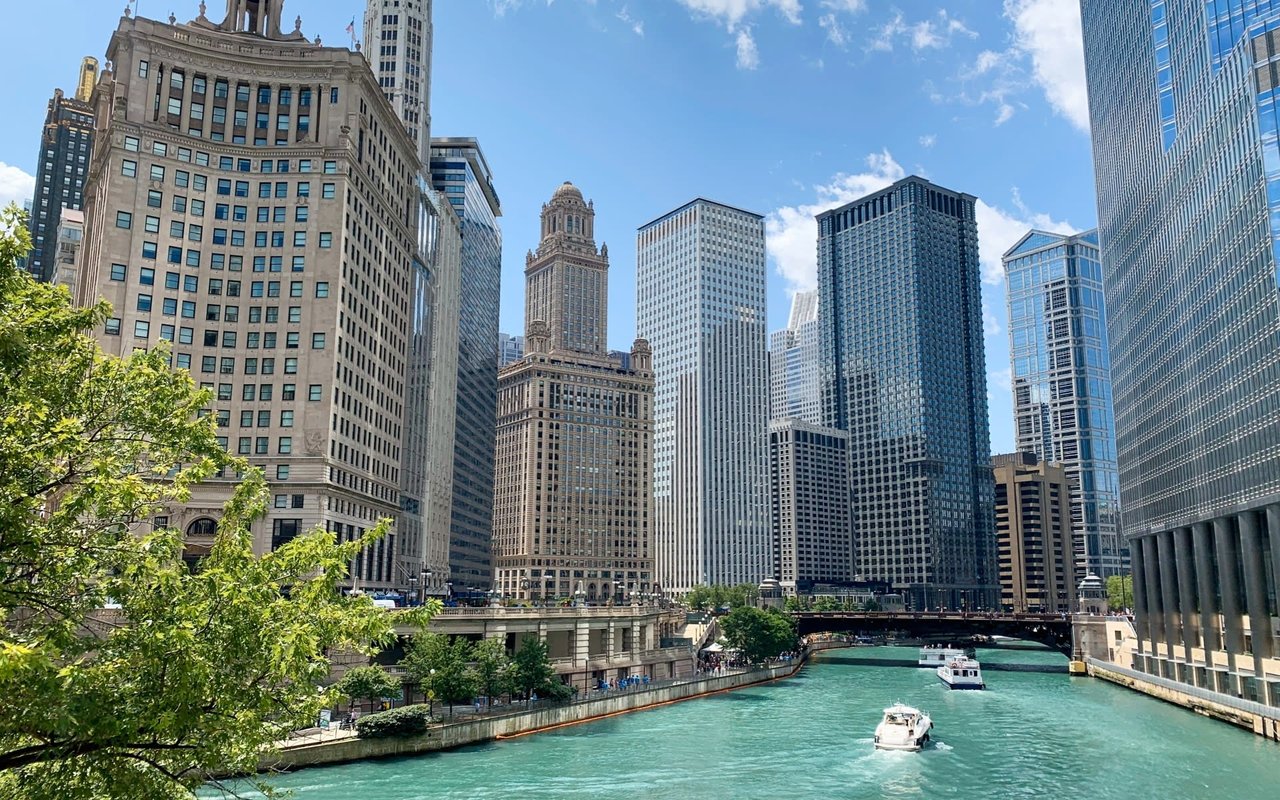
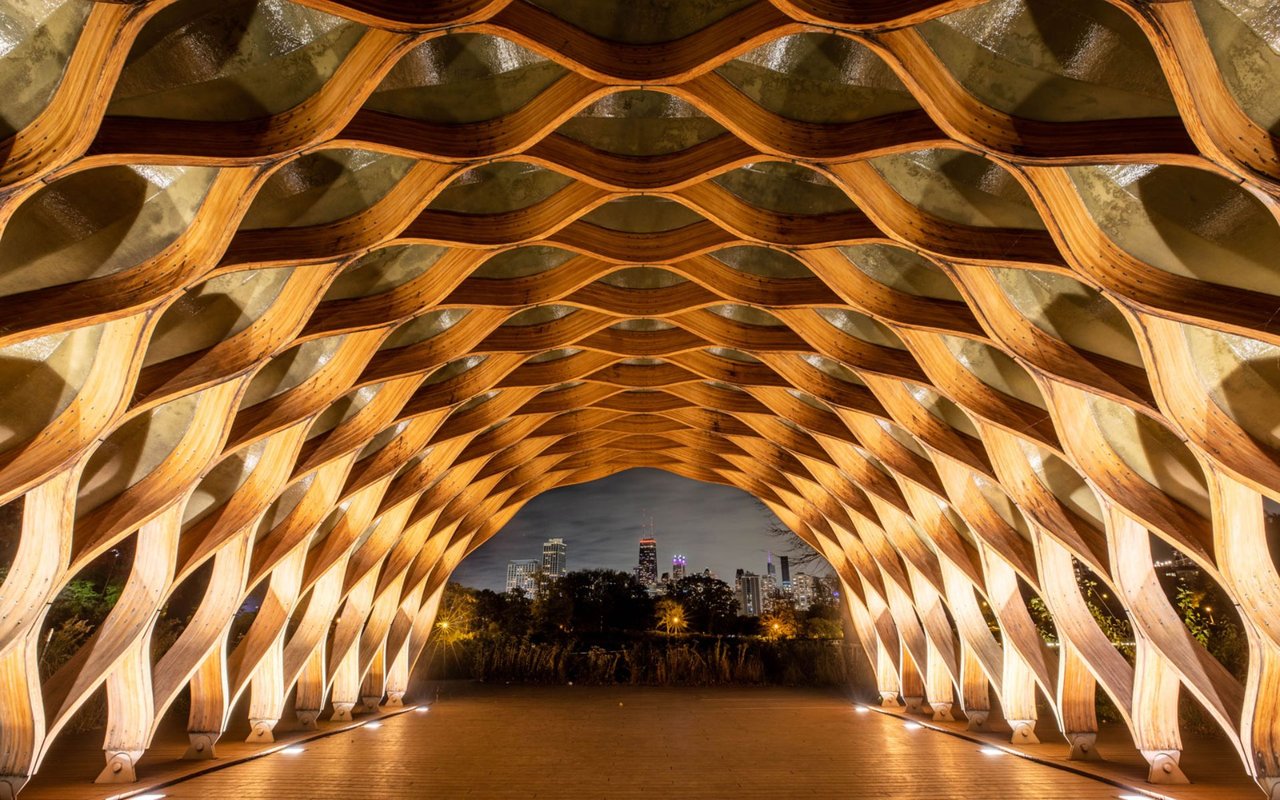 Lincoln Park
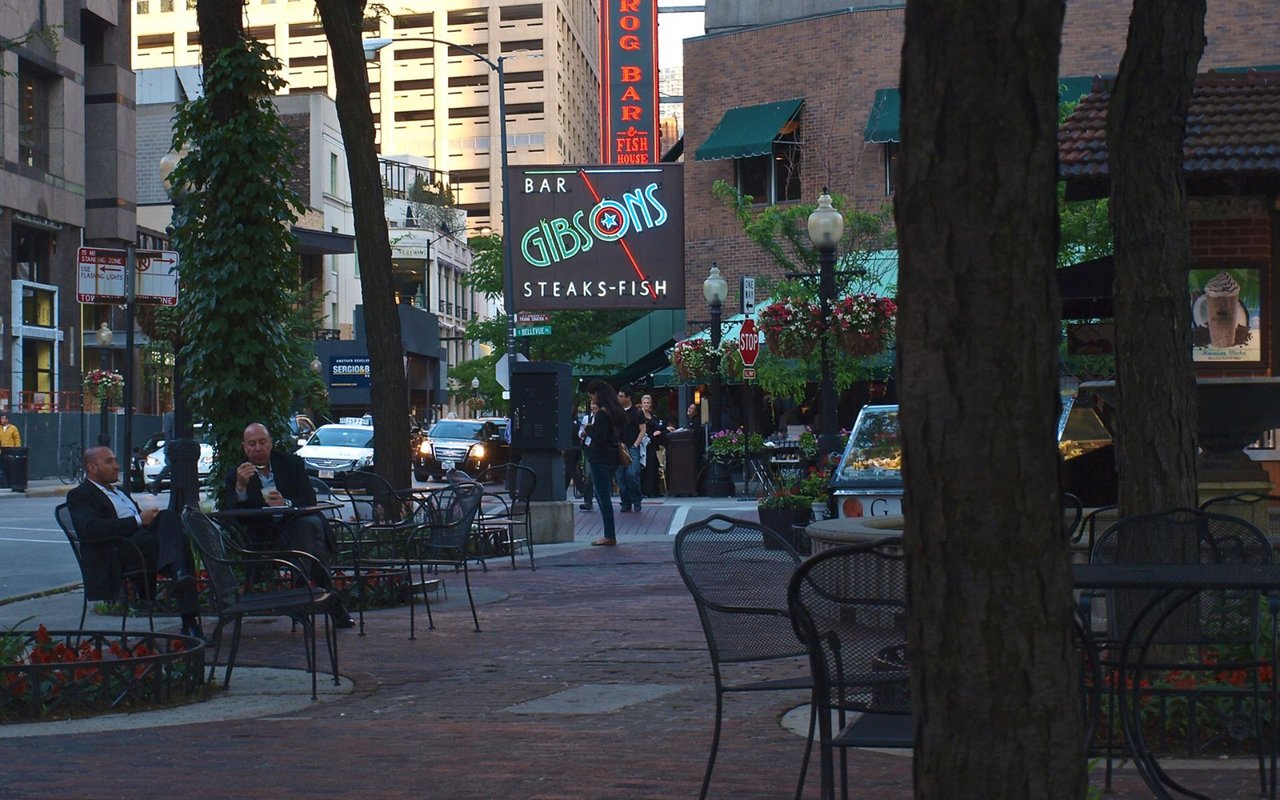 Gold Coast
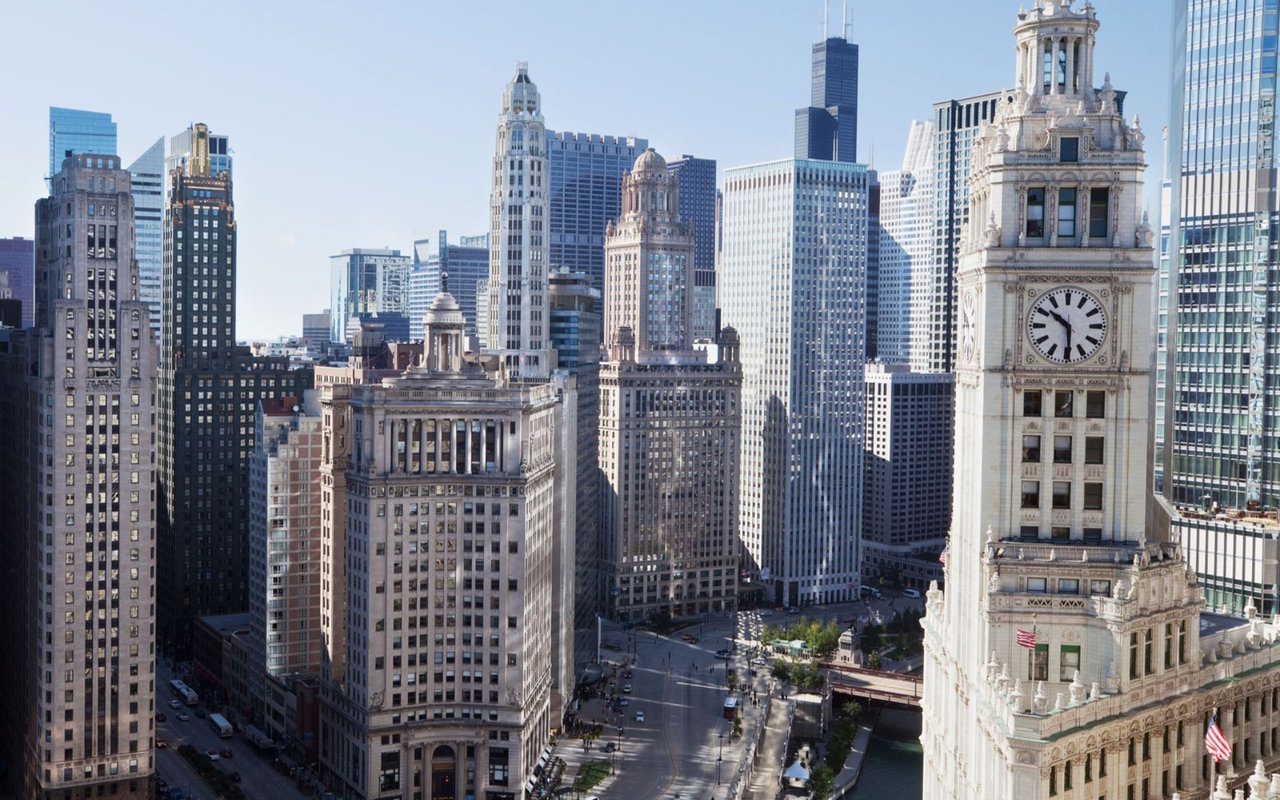 River North
 Streeterville
 South Loop
 Loop
Loop
 New East Side
 West Loop
 Edgewater
 Uptown
 Lincoln Square
 Old Irving
 Avondale
 Logan Square
 Wicker Park
 West Town
 Bucktown
 Roscoe Village
 Old Town
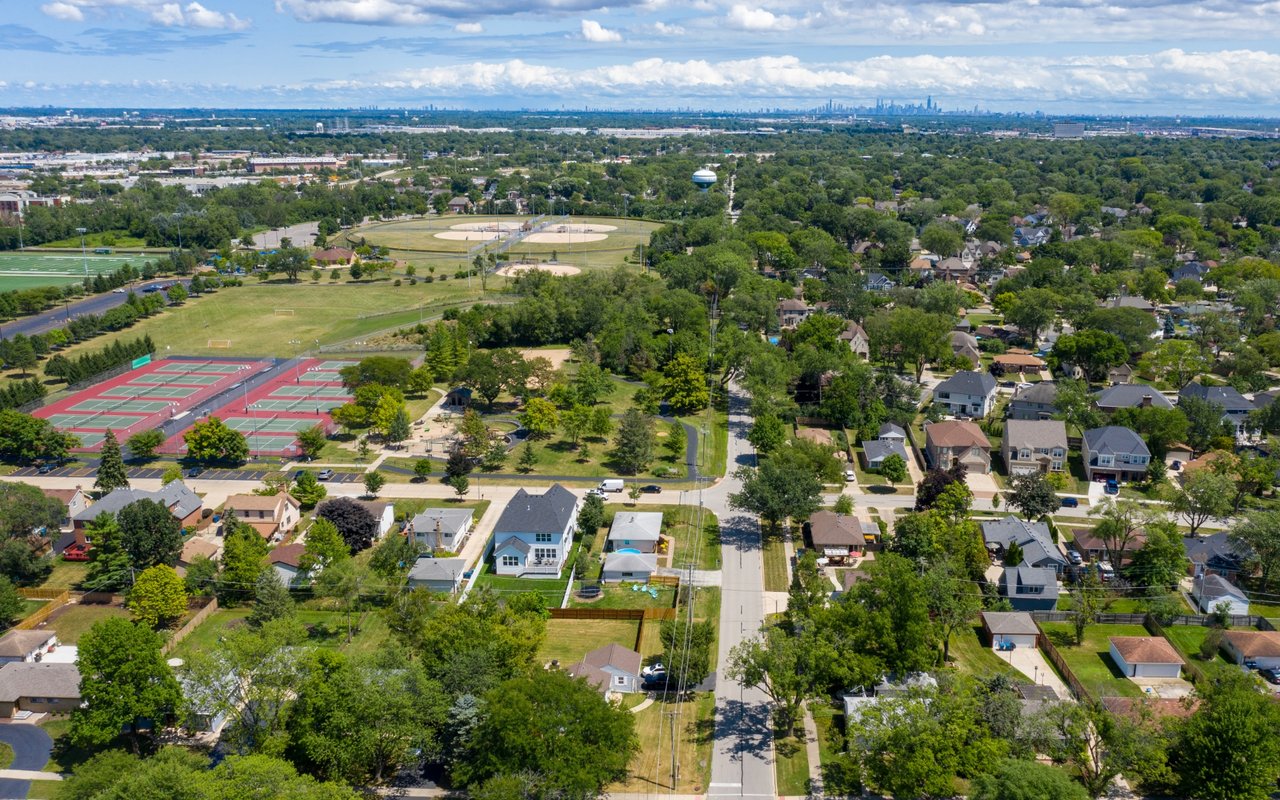 Elmhurst
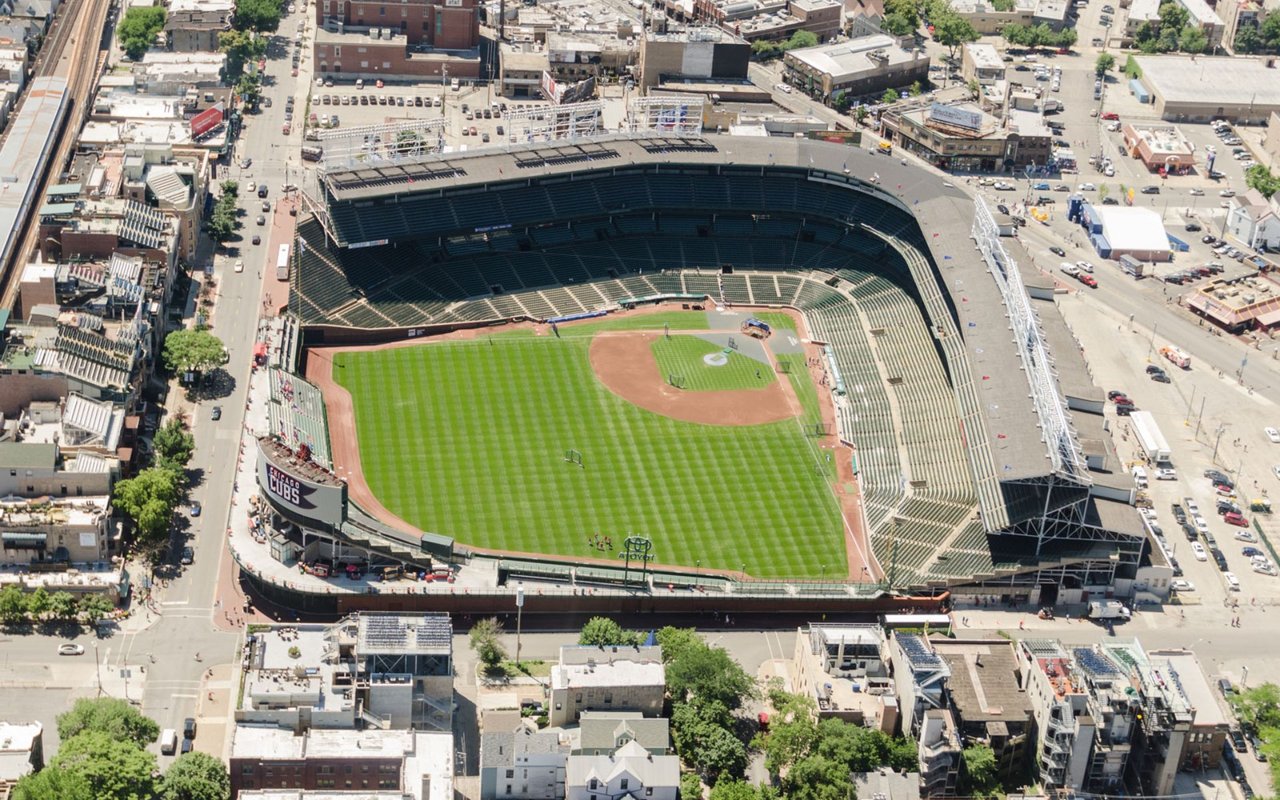 Lakeview
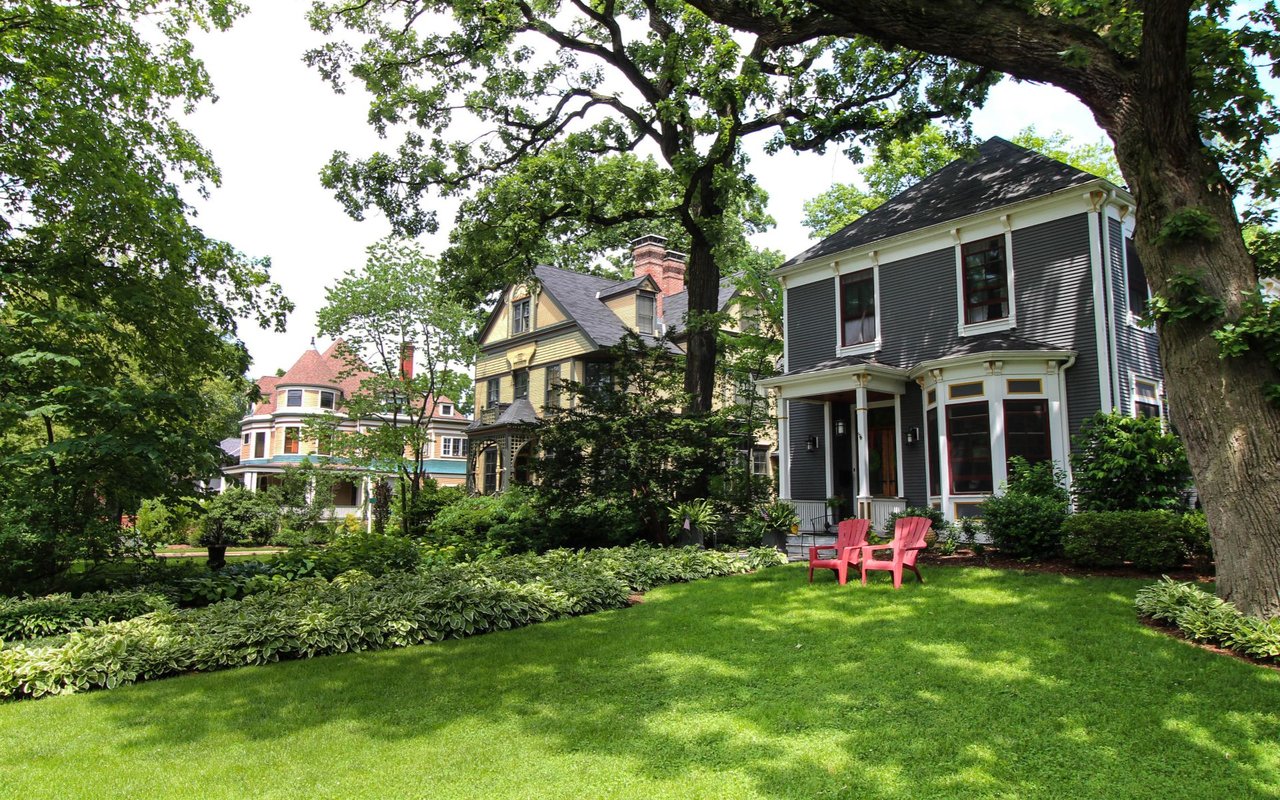 Deerfield
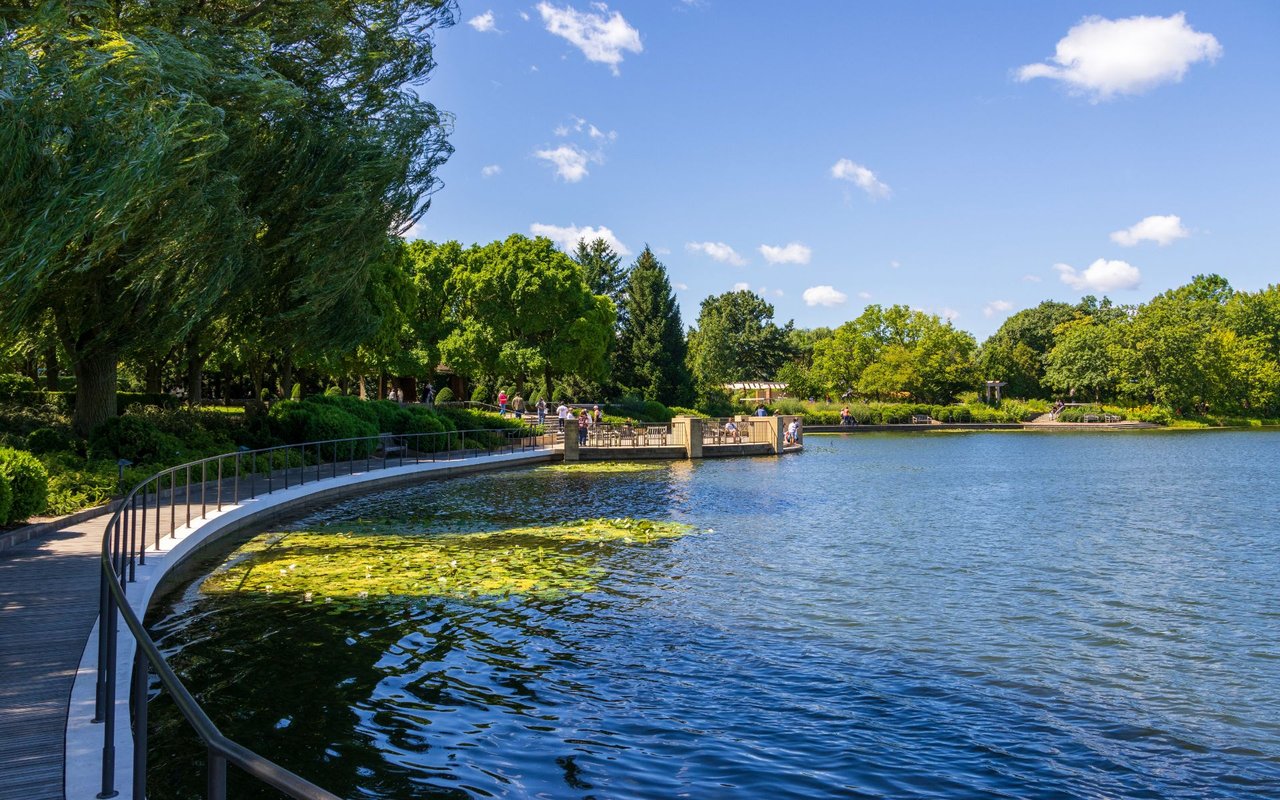 Lake Forest
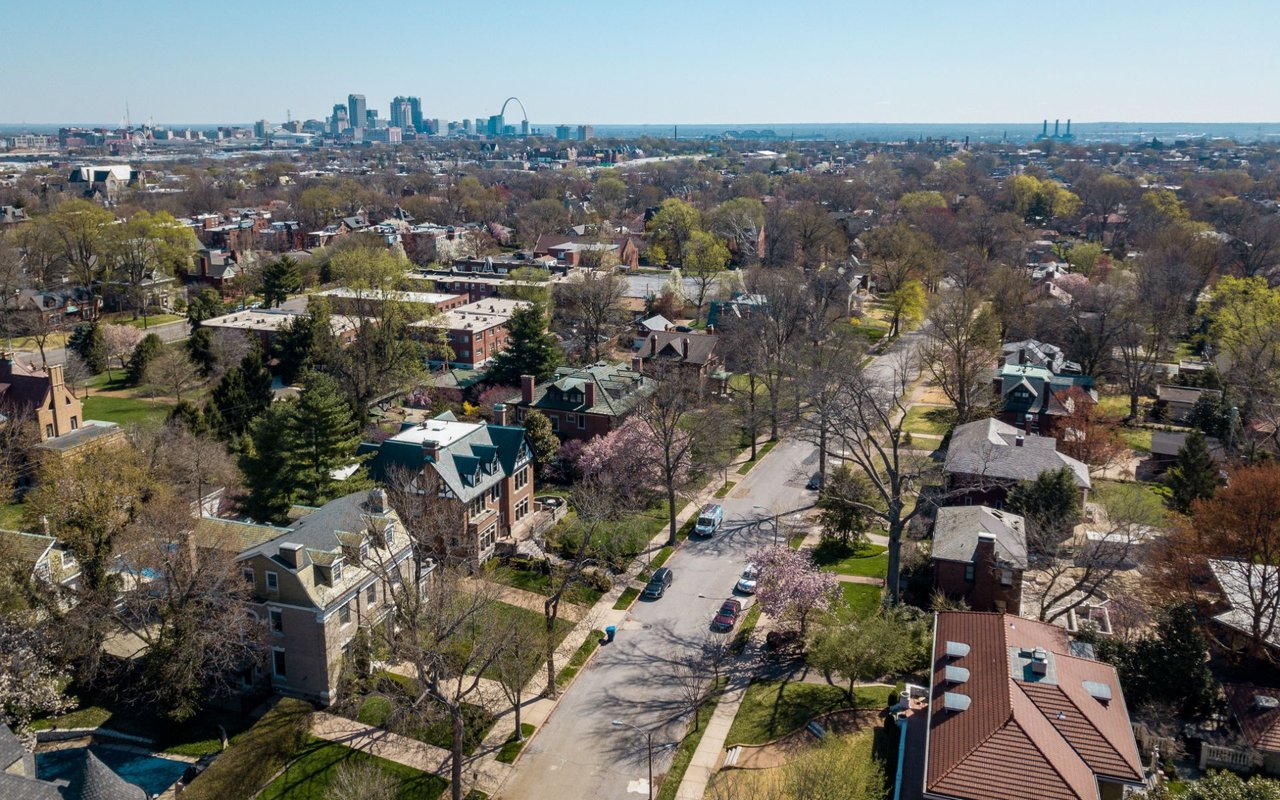 Kenilworth
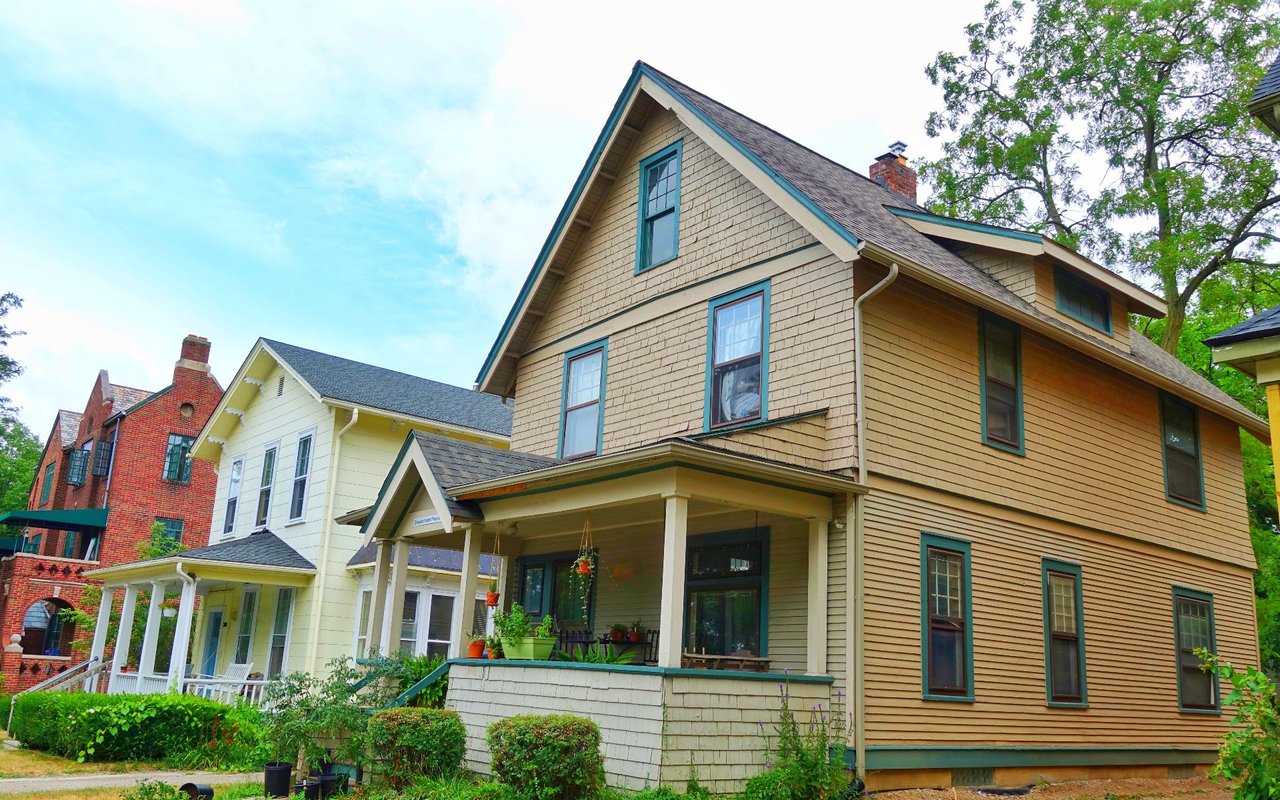 Northbrook
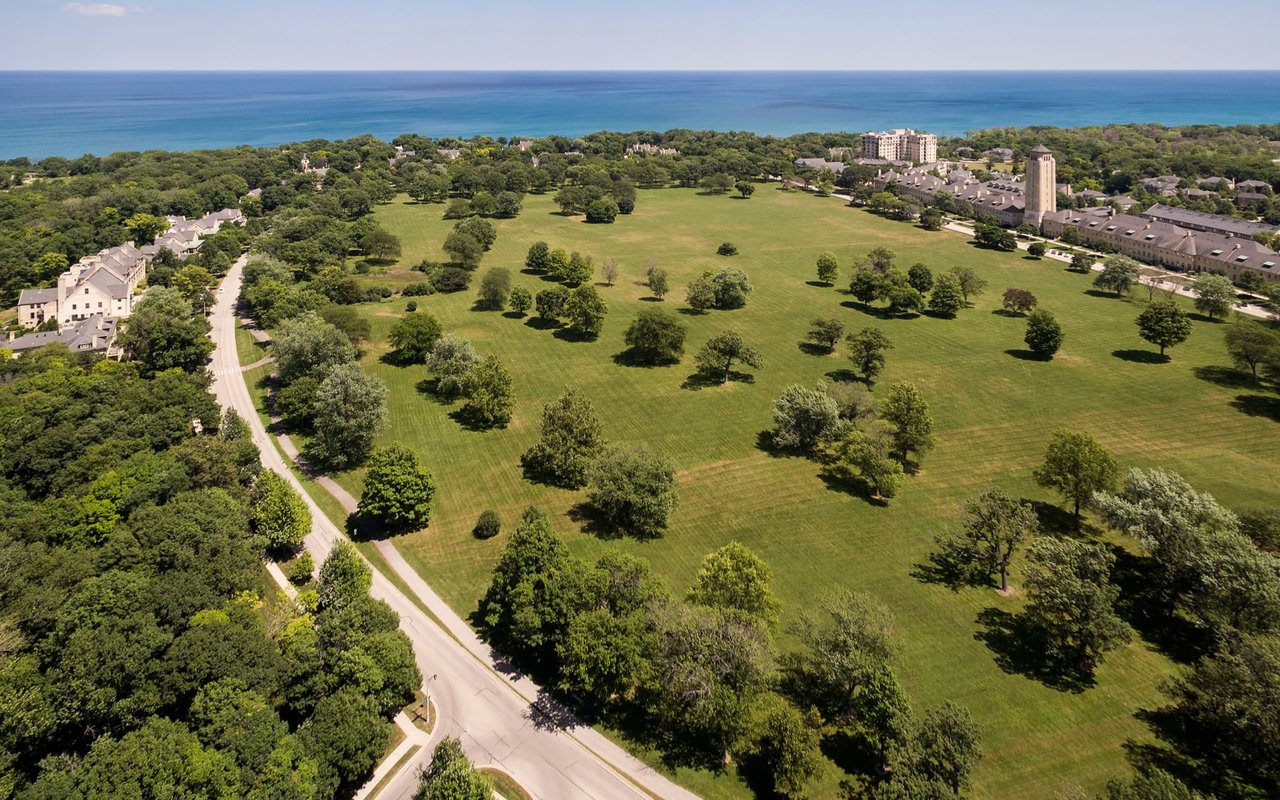 Highland Park
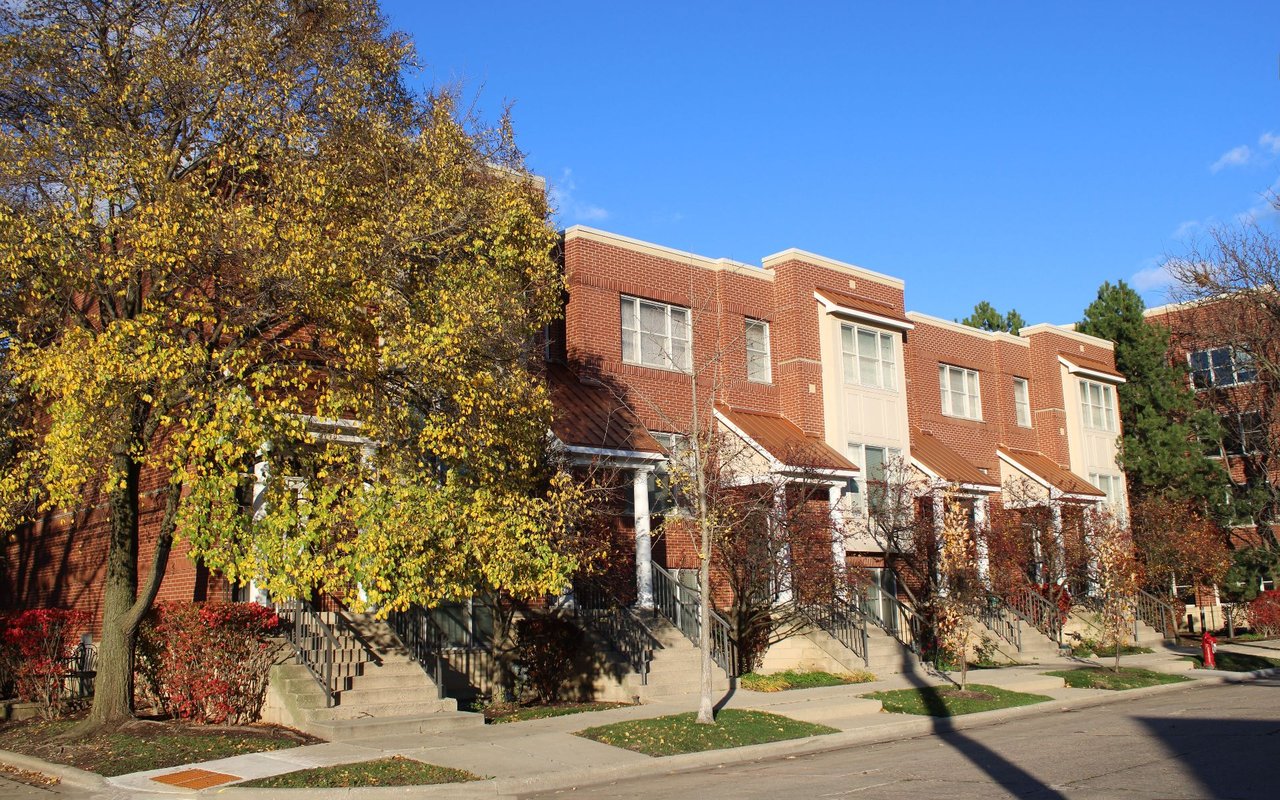 Winnetka
 Glencoe
 Wilmette
 Western Burbs
 North Shore
 La Grange
 Downers Grove
 Clarendon Hills
 Western Springs
 Burr Ridge
 Oak Brook
 Hinsdale