Trying to choose between Elmhurst and other western suburbs? That decision gets easier when you stop treating every suburb like it offers the same lifestyle. If you want a place with a strong single-family housing base, a walkable downtown, and practical commuter access, Elmhurst stands out in a very specific way. Here’s how Elmhurst compares with nearby suburbs so you can narrow your shortlist with more confidence. Let’s dive in.
Where Elmhurst Fits
Elmhurst sits in an upper-middle position among western suburbs when you look at home values, ownership rates, housing mix, and transit. According to the U.S. Census QuickFacts for Elmhurst, the city has a 79.9% owner-occupied housing rate and a $545,400 median value for owner-occupied homes.
That places Elmhurst very close to Naperville on value, above Downers Grove, Wheaton, Westmont, and Lombard, and well below Hinsdale. In simple terms, Elmhurst is not the bargain option, but it is also not priced at the top of the western suburban market.
Elmhurst Housing Compared
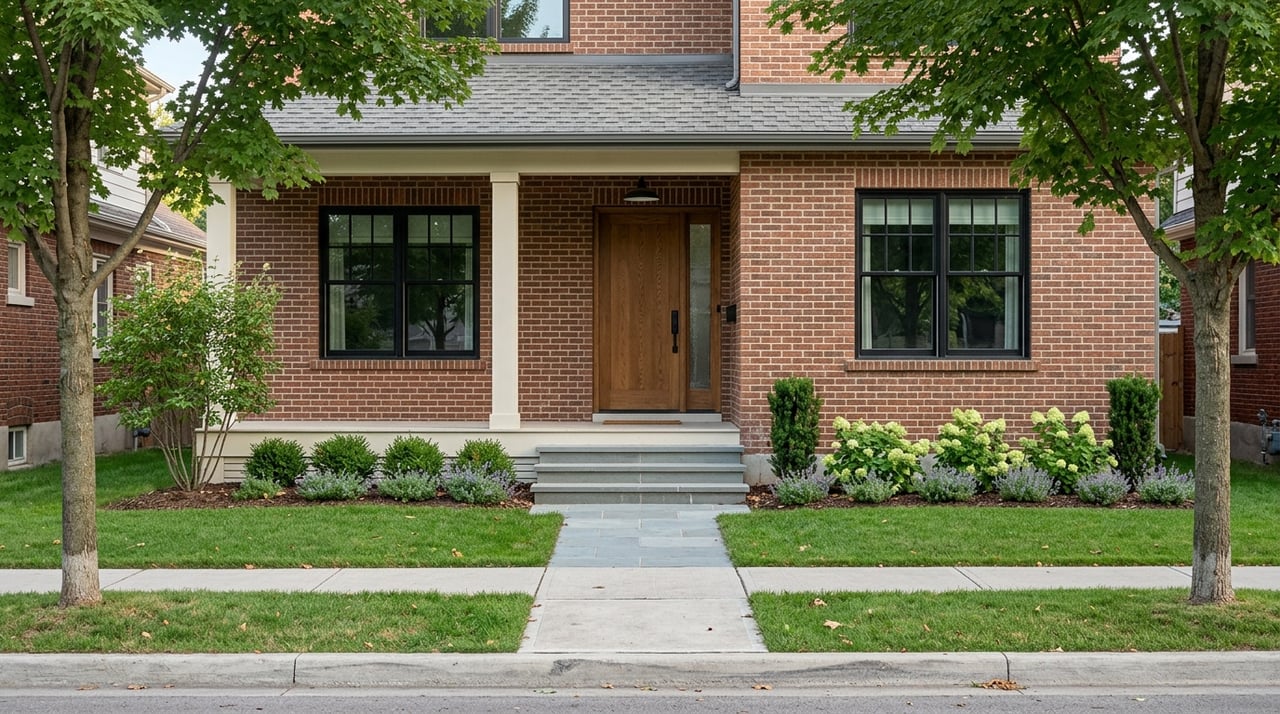
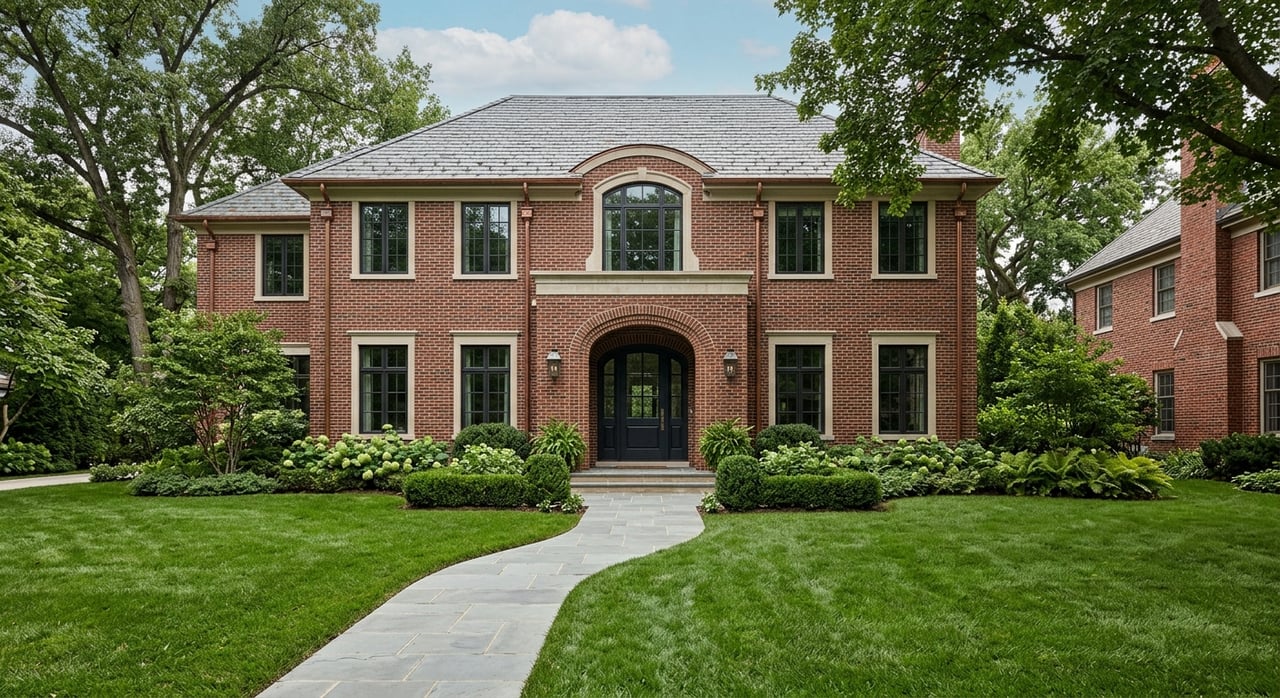
Elmhurst is best understood as a primarily single-family suburb with a compact multifamily downtown layer. The city’s comprehensive plan says detached single-family homes are the predominant land use, while duplexes, townhomes, and medium-density multifamily properties are clustered near downtown and major corridors.
That matters if you want a neighborhood feel without giving up some newer downtown housing options. The same plan notes that four downtown rental buildings added more than 900 residents to the core, which shows Elmhurst has added density in targeted areas rather than reshaping the whole city around condos or apartments.
How Pricing Stacks Up
Based on Census value data, Elmhurst is:
- About the same as Naperville
- About $95,600 higher than Downers Grove
- About $89,700 higher than Wheaton
- About $166,300 higher than Westmont
- About $209,700 higher than Lombard
- About $508,300 lower than Hinsdale
This gives you a useful pricing lens. If you want more affordability, Westmont, Lombard, or Downers Grove may offer more room. If you want a more premium market, Hinsdale remains in a different price tier.
Ownership Rate Matters
Elmhurst’s owner-occupied share is higher than Downers Grove, Naperville, Wheaton, Westmont, and Lombard, according to Census data. That points to a market with strong long-term ownership patterns.
For buyers, this can be a helpful signal. It suggests Elmhurst sits in a high-ownership middle tier, which often appeals to people looking for stability without stepping into the highest-priced segment.
Downtown Feel: Elmhurst vs Others
One of Elmhurst’s biggest strengths is that its downtown does not feel one-note. The city’s planning documents describe two distinct commercial areas: the central City Centre around the Metra station and Spring Road, which is a four-block pedestrian-oriented district with mostly locally owned businesses next to the Prairie Path.
That gives Elmhurst a split downtown identity that is different from many nearby suburbs. You get a traditional station-area core plus a smaller business district with its own feel.
Elmhurst vs Downers Grove
Downers Grove is probably the closest comparison if downtown character is high on your list. The village describes downtown as the historic heart of the community, with a historic central business district, a Metra station, and several five- to six-story apartment complexes, according to a village planning document.
If you are comparing the two, the biggest difference is structure. Elmhurst offers two recognizable commercial nodes, while Downers Grove reads more as one larger historic downtown environment.
Elmhurst vs Naperville
Naperville delivers a bigger, more destination-driven downtown experience. The city describes the Naperville Riverwalk as a 1.75-mile centerpiece of downtown, and that says a lot about its scale and draw.
If you want a larger regional downtown with a major civic amenity at the center, Naperville may be more your speed. If you prefer something more compact and easier to navigate, Elmhurst may feel more manageable day to day.
Elmhurst vs Wheaton
Wheaton’s downtown has evolved through pedestrian and streetscape improvements. The city says its downtown streetscape project created wider sidewalks and supported development in the heart of the community.
That makes Wheaton a good option if you are focused on a walkable downtown with visible public investment. Elmhurst, by contrast, stands out more for its mix of established single-family neighborhoods and its two-part downtown setup.
Elmhurst vs Hinsdale
Hinsdale offers a smaller, more historic downtown identity. The village highlights investment in its historic downtown business community and preserving a historic-yet-progressive identity in village materials.
For some buyers, that smaller-scale historic character is the draw. For others, Elmhurst may feel like the better balance between downtown activity, housing variety, and price.
Commuting From Elmhurst
Elmhurst checks an important box for many buyers: direct rail access with strong parking support. The Elmhurst Metra station is on the Union Pacific West line at 128 W. 1st St., has 1,487 parking spaces, includes Pace connections, and sits in Zone 3. The city’s sustainability plan also notes access via Route 83, I-290, and I-294.
That combination gives Elmhurst practical commuter strength. You get a centrally located downtown station, solid parking inventory, and a favorable fare zone compared with some farther-out suburbs.
How Elmhurst Compares on Transit
Here’s the practical comparison:
- Downers Grove has more overall station choice, with three Metra stations. Its Main Street station is Zone 4 with 875 parking spaces.
- Naperville offers major park-and-ride scale. Its downtown station is Zone 4 with 1,652 parking spaces, and Route 59 has 4,424 spaces.
- Wheaton has two UP-W stations, and its downtown station is Zone 4 with 738 parking spaces.
- Hinsdale and West Hinsdale are both Zone 3, but with smaller parking inventories of 331 and 156 spaces.
- Westmont is also Zone 3 with 512 parking spaces.
The big takeaway is simple: Elmhurst gives you a downtown-adjacent station, Zone 3 fare positioning, and robust parking. What it does not offer is the same level of station redundancy as Downers Grove or Wheaton, or the park-and-ride scale of Naperville.
Who Elmhurst Best Fits
Elmhurst tends to rise to the top when you want a few things at once:
- A mostly single-family housing environment
- A real walkable downtown
- Direct rail access
- A price point below Hinsdale
- A market position above more budget-friendly nearby options
That is why Elmhurst often appeals to buyers trying to balance lifestyle and practicality. It offers a strong middle path between lower-priced western suburbs and the more premium end of the market.
When Another Suburb May Make More Sense
Elmhurst is not automatically the right answer for every buyer. Depending on your priorities, another suburb may fit better.
You may want to keep looking elsewhere if:
- Your budget is tighter, and you want to maximize value in Westmont, Lombard, or Downers Grove
- You want a larger downtown destination, where Naperville’s Riverwalk-centered core may stand out more
- You want a more premium market, where Hinsdale operates at a substantially higher value level
- You want multiple station options, where Downers Grove or Wheaton may give you more rail flexibility
A Simple Way To Decide
If you are comparing Elmhurst to the rest of the western suburbs, start with three questions:
- Do you want a suburb that is mostly single-family rather than heavily centered on multifamily living?
- Do you want a walkable downtown that feels active without being oversized?
- Do you want strong commuter convenience without paying Hinsdale-level pricing?
If your answer is yes across the board, Elmhurst deserves a serious look. It occupies a very specific lane in the market, and that clarity is actually one of its biggest advantages.
When you are sorting through suburbs, the goal is not to find the “best” one on paper. It is to find the one that best matches how you want to live, commute, and spend your housing budget.
If you want help comparing Elmhurst with Naperville, Hinsdale, Downers Grove, or other nearby suburbs, connect with Matt Laricy. You’ll get direct, practical guidance that helps you narrow the field and move with more confidence.
FAQs
How does Elmhurst compare to Naperville on home prices?
- Elmhurst’s median owner-occupied home value is almost identical to Naperville’s, based on U.S. Census data.
How does Elmhurst compare to Hinsdale on cost?
- Elmhurst is far less expensive than Hinsdale on Census median home value data, with a gap of about $508,300.
What kind of housing is most common in Elmhurst?
- Detached single-family homes are the predominant land use in Elmhurst, with duplexes, townhomes, and medium-density multifamily housing concentrated near downtown and major corridors.
Does Elmhurst have a walkable downtown?
- Yes. Elmhurst has a downtown centered around City Centre near the Metra station, plus the Spring Road business district, which is pedestrian-oriented and next to the Prairie Path.
How good is Elmhurst for commuters?
- Elmhurst offers a Union Pacific West Metra station in Zone 3, 1,487 parking spaces, Pace connections, and access to Route 83, I-290, and I-294.
Is Elmhurst cheaper than Downers Grove or Wheaton?
- No. Based on Census median home value data, Elmhurst is priced above both Downers Grove and Wheaton.
Who should consider Elmhurst among western suburbs?
- Elmhurst may be a strong fit if you want a mostly single-family suburb, a real downtown, and direct rail access without moving into Hinsdale-level pricing.