If you have started looking at Chicago's North Shore, you have probably realized something fast: these suburbs may share a lakefront reputation, but they do not live the same way day to day. What feels perfect for one buyer can feel off for another, especially if you are balancing commute, home style, downtown energy, and lake access. This guide will help you sort through Evanston, Wilmette, Kenilworth, Winnetka, and Glencoe so you can focus your search on the suburb that actually fits how you want to live. Let's dive in.
Start With Daily Lifestyle
The biggest differences across the North Shore are not just about being near Lake Michigan. They come down to how each suburb feels in your routine, including how residential it is, how active the downtown area feels, what kind of transit options you have, and how the lakefront is used.
At one end, Evanston is the most urban and mixed-use of the group. At the other, Kenilworth is the most intentionally planned and residential in character. Wilmette, Winnetka, and Glencoe fall between those two, each with a different balance of village feel, commercial activity, and lakefront identity.
Compare Housing Patterns
Evanston Offers The Broadest Mix
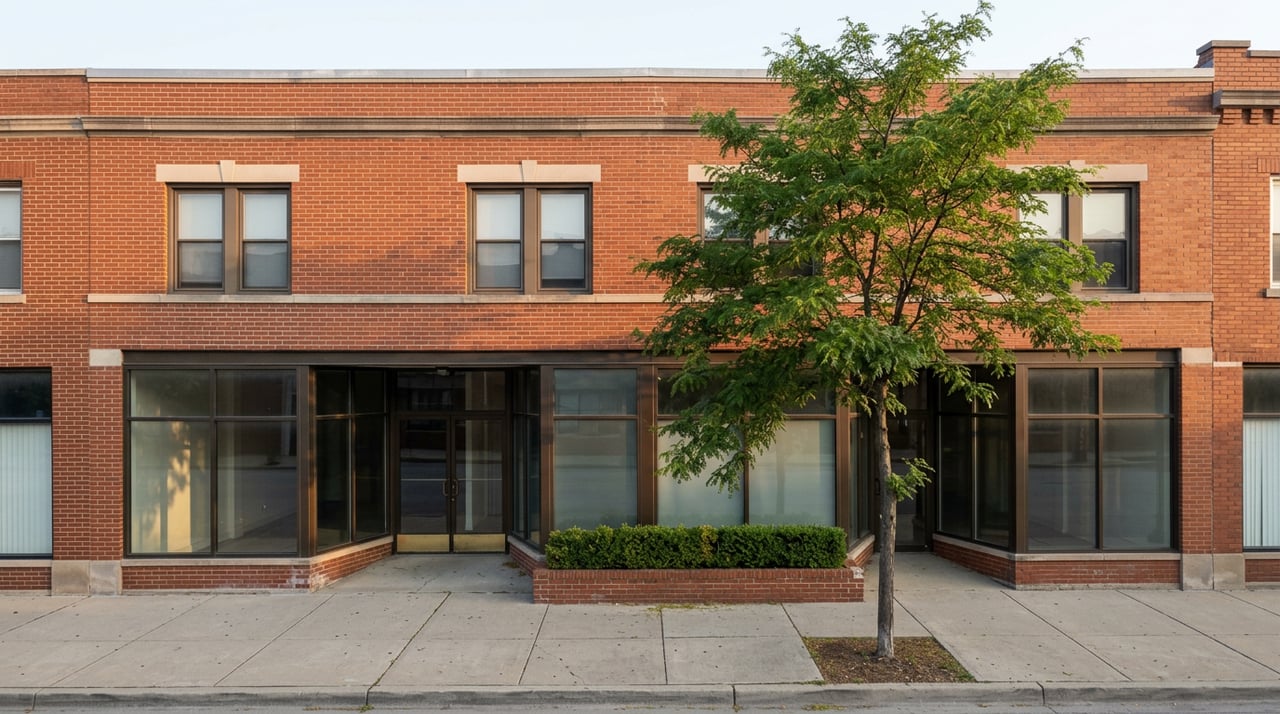
Evanston has the widest range of housing forms in this group. City planning materials describe everything from single-family residential streets to low- and mid-rise multifamily buildings and mixed-use blocks, which gives you more variety in both neighborhood feel and housing type.
If you want a city-adjacent rhythm with more options in how and where you live, Evanston stands out. It is also worth noting that Evanston's housing strategy says housing costs are outpacing income growth, which can matter as you think about budget and competition.
Kenilworth Feels Most Controlled
Kenilworth has a very specific built character. Village history highlights large lots, underground utilities, no alleys or fences, and high construction standards, all of which support a more uniform and quiet residential setting.
If you are drawn to architectural consistency and a more limited commercial footprint, Kenilworth is the clearest fit. It feels intentional because it was, in fact, developed as a planned community.
Winnetka And Glencoe Emphasize Character
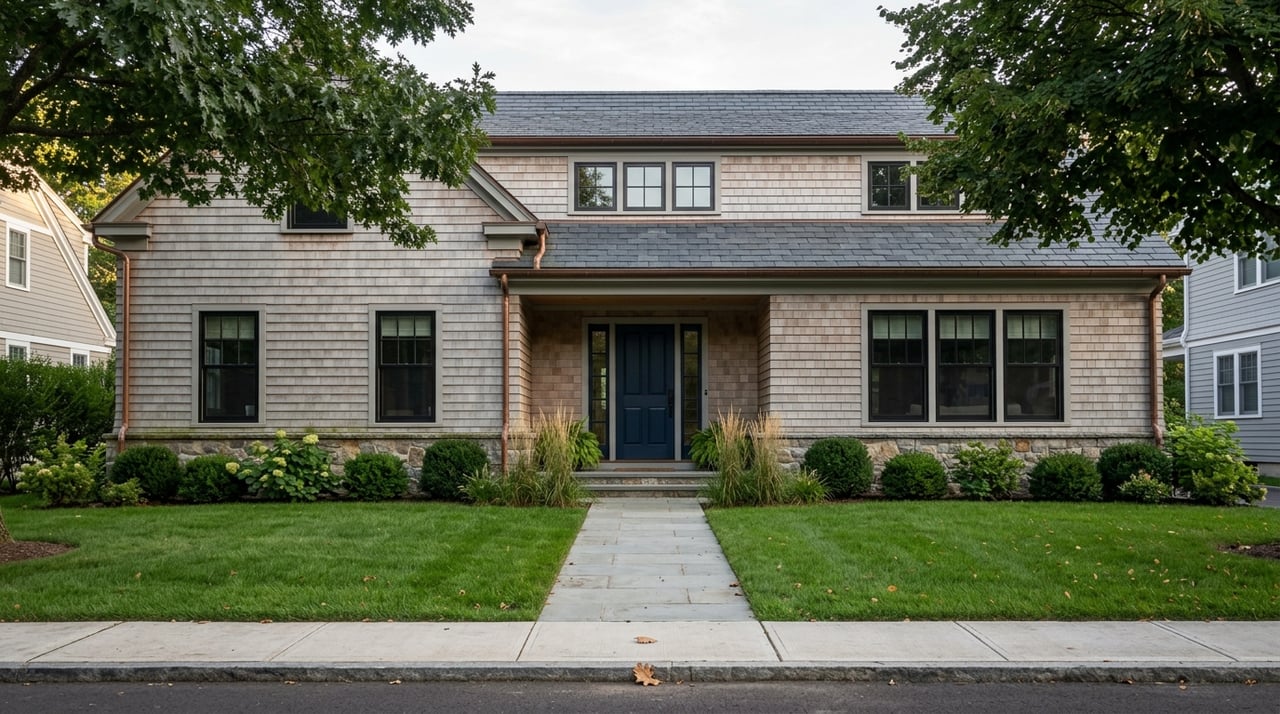
Winnetka's design guidance points to a strong village-wide architectural identity, with English Tudor style playing a visible role in the community's look. That helps create a cohesive feel across many residential areas and commercial spaces.
Glencoe also stands out architecturally, but in a different way. Community materials describe a broad range of architectural styles, including homes by notable architects, which can appeal to buyers who want design variety within a compact village setting.
Wilmette Balances Traditional And Mixed-Use
Wilmette sits in a middle lane. Village-center planning points to a more mixed pattern around its core rather than one dominant housing type, which helps explain why it often feels like a blend of classic village living and practical daily convenience.
For many buyers, that balance is a major plus. You can get a traditional suburban feel without giving up a more active downtown and solid transit access.
Think About Your Commute
Transit is one of the clearest functional differences among these suburbs. All five are served by Metra's Union Pacific North line, but only Evanston and Wilmette also have CTA Purple Line service.
That matters if you want more than one way to get into Chicago. It also matters if flexibility is part of your routine, whether that means weekday commuting, social plans, or easier access to more parts of the city.
Best For Transit Choice
If transit options are your top priority, Evanston and Wilmette lead the pack. Evanston has Metra service plus CTA Purple Line stops throughout the city, while Wilmette connects through Metra and the Purple Line at Linden.
That extra layer of access can make daily life easier if you want to stay connected to both suburban and city patterns. For buyers relocating from Chicago, that can be an especially important bridge.
Best For Metra-Centered Living
Kenilworth, Winnetka, and Glencoe are primarily Metra suburbs in this comparison. That does not make them less appealing, but it does make them a better match for buyers who are comfortable with a more straightforward commuter rail setup.
If you do not need CTA access and want a more residential village experience, those three communities often move to the top of the list.
Look At Downtown Character
A suburb's downtown often tells you a lot about how the community functions. It shapes where you grab coffee, run errands, meet friends, or spend part of your weekend.
Evanston Feels Most Active
Evanston has nine business districts and a downtown with a broad restaurant and retail mix. The city notes that downtown Evanston includes more than 60 restaurants, which supports a more active and mixed-use environment than the other suburbs in this group.
If you want the widest range of dining, retail, and everyday activity, Evanston is the most obvious fit. It is the closest thing in this lineup to a city-meets-suburb experience.
Wilmette Centers Around The Village Core
Wilmette's Village Center is its central business district, and village planning aims to guide it as a vibrant retail, dining, and entertainment hub while preserving its historic small-town character. The village also has multiple commercial districts, with downtown tied closely to the Metra station and Linden Square serving Purple Line commuters.
That setup gives Wilmette a strong center without making it feel overly busy. For many buyers, it lands in the sweet spot between convenience and calm.
Kenilworth Keeps It Limited
Kenilworth's business district is intended to be pedestrian-oriented and visually compatible with nearby residential areas. The commercial footprint is more restrained, which supports the village's quieter identity.
If you do not need a large downtown and prefer a more residential feel overall, that smaller-scale approach may be exactly what you want.
Winnetka And Glencoe Offer Distinct Village Feel
Winnetka's Elm Street district is described as the village's main commercial district and civic heart, but the village also includes three distinct shopping districts. That gives you a little more variety while still keeping the classic village structure intact.
Glencoe's downtown is presented as the community's central meeting place, with tree-lined streets, boutiques, dining, and arts uses clustered in a compact center. If you want a polished small-scale downtown, Glencoe checks that box well.
Compare Lakefront Lifestyle
All five communities have lakefront access, but the experience is not the same in each place. The difference is less about whether you can get to the water and more about what kind of lakefront routine you want.
Evanston Has Broad Public Access
Evanston has six beaches and a boat-launch program. That gives the city a wide lakefront offering that matches its broader, more active feel.
If beach variety matters to you, or if you like having multiple access points, Evanston stands out. It fits buyers who want the lakefront to feel like one part of a larger, more varied lifestyle.
Wilmette Has A Major Lakefront Draw
Wilmette's Gillson Park offers 60 lakefront acres along with beach, sailing, dog-beach, picnic, and rental amenities. It is one of the most substantial lakefront amenities in this comparison set.
For buyers who picture regular beach days, waterfront recreation, and a strong park presence, Wilmette has a lot going for it. The lakefront is a major part of the suburb's identity.
Kenilworth Feels More Curated
Kenilworth Beach is seasonal, staffed, and pass-based. That supports a more contained lakefront experience that lines up with the village's overall character.
If you prefer something quieter and more limited in scale, Kenilworth may feel like the right match. Just remember that seasonal rules and access details can change, so those should always be confirmed directly when you are narrowing your search.
Winnetka And Glencoe Offer Strong Beach Access
Winnetka's park district operates five beaches, plus a boat launch and boat storage. That gives it one of the broadest recreational lakefront setups in the group.
Glencoe centers its lakefront around Glencoe Beach and Lakefront Park, along with a boating beach. It is a smaller setup, but it fits the village's compact and polished feel.
A Simple Way To Rank Your Options
If you are feeling stuck, start by choosing the one lifestyle priority that matters most to you. That usually narrows the field quickly.
Choose Evanston If You Want Urban Energy
Evanston is the strongest fit if you want the most urban environment, the broadest housing mix, and the most transit choice. It works well for buyers who want a city-adjacent pace without living in Chicago proper.
Choose Wilmette If You Want Balance
Wilmette is often the best fit if you want a traditional village feel, strong beach access, and better transit flexibility than most North Shore suburbs. It is a practical middle ground for many buyers.
Choose Kenilworth If You Want Quiet Consistency
Kenilworth makes the most sense if your top priorities are quiet surroundings, strong architectural consistency, and a limited commercial footprint. Its planned-community roots still shape the experience today.
Choose Winnetka If You Want Classic North Shore Feel
Winnetka is a strong match if you want a residential setting with multiple neighborhood centers, broad lakefront recreation, and a cohesive village identity. It is a classic all-around North Shore option.
Choose Glencoe If You Want Compact Village Living
Glencoe fits buyers who want a smaller, polished lakefront village with notable architecture and a compact downtown. It offers a distinct sense of place without the larger commercial scale of Evanston.
How To Make The Final Decision
Once you narrow your shortlist, the next step is simple: spend time in each suburb the way you would actually live in it. Drive the streets, walk the downtown, check the train station area, and see how the lakefront fits into the rhythm of the community.
The right North Shore suburb is usually not the one with the most buzz. It is the one that lines up best with your commute, your pace, and the kind of daily life you want to build. If you want to explore what is currently available, you can search homes for sale across all five communities. Our buyer's guide is also a good resource if you are earlier in the process and want to understand what to expect.
If you are weighing a move between the city and the suburbs, or trying to zero in on the right North Shore fit, connect with top Chicago real estate agent Matt Laricy. He can help you cut through the noise and focus on the communities that match your goals.
FAQs
Which North Shore suburb has the most transit options?
- Evanston and Wilmette have the most transit choice because both are served by Metra's Union Pacific North line and the CTA Purple Line.
Which North Shore suburb feels most urban?
- Evanston is the most urban and mixed-use of the suburbs in this comparison, with a broader housing mix, multiple business districts, and a larger downtown.
Which North Shore suburb feels quietest and most residential?
- Kenilworth is the most intentionally planned and residentially controlled in this group, with large lots, limited commercial activity, and a strong architectural identity.
Which North Shore suburb has the biggest lakefront amenity?
- Wilmette stands out for Gillson Park, which offers 60 lakefront acres along with beach, sailing, dog-beach, picnic, and rental amenities.
Which North Shore suburb has the most classic village feel?
- Winnetka is often the best match for buyers looking for a traditional North Shore village feel with multiple shopping districts, beaches, and a strong residential identity.