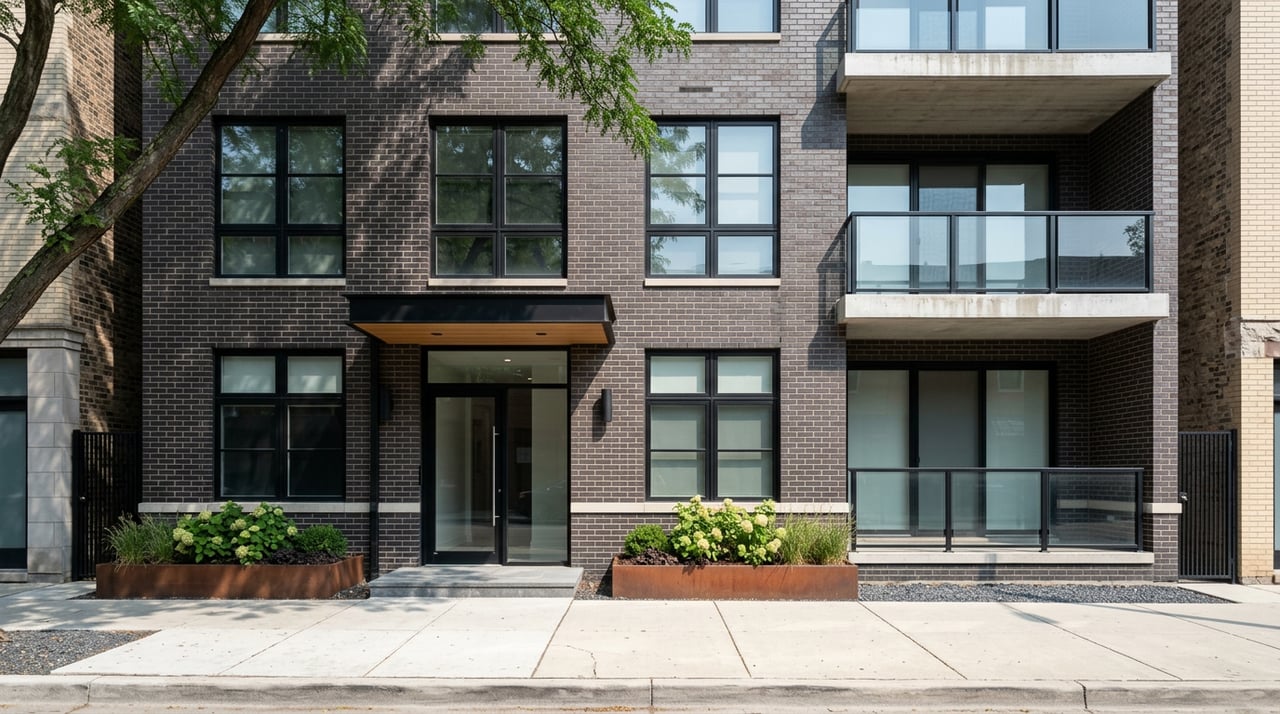
Thinking about buying your first condo near the energy of Milwaukee, Damen, and North, but hoping for a quieter place to recharge? You’re not alone. Bucktown and Wicker Park draw first-time buyers who want walkable streets, easy transit, and a lively dining scene without giving up a good night’s sleep. In this guide, you’ll learn where to look, what to watch for in buildings and HOAs, how financing works for condos, and what closing costs to expect in Chicago. Let’s dive in.
Why Bucktown and Wicker Park work
These adjacent Northwest Side neighborhoods mix historic charm with modern convenience. You’ll find active retail and nightlife around the Milwaukee/Damen/North six-corners hub, plus calm, tree-lined residential blocks just a street or two off the main corridors. The local chamber highlights an eclectic mix of shops, galleries, and festivals that keep the area dynamic and walkable. Explore more about the neighborhood vibe through the Wicker Park & Bucktown Chamber.
Transit is a major perk. The CTA Blue Line’s Damen and Division stops put you on a quick route to downtown and O’Hare, and frequent buses run along Milwaukee and North. If a car-free or car-light lifestyle is your goal, prioritize listings within a short walk of the Blue Line, especially around Damen. Get familiar with the Damen Blue Line station.
Market-wise, recent January 2026 snapshots show Wicker Park median sale prices around the high $700s, and Bucktown in the mid-to-high $600s, depending on building type and timeframe. Inventory can be tight, and well-located units with parking or outdoor space draw strong competition. Expect pricing to vary by building age, amenities, and layout.
Block-by-block search tips
- For nightlife access, look near Milwaukee, Damen, and North Avenue. For a quieter setting, step one or two blocks off those corridors, closer to Wicker Park itself or north of North Avenue into Bucktown.
- Visit at different times of day: weekday evening, Saturday night, and Sunday morning. Listen for late-night activity and check where bedroom windows face relative to bars and busier intersections. The chamber’s descriptions can help you map activity zones around key corridors. Start with the neighborhood overview.
- If noise matters, consider higher floors, units facing courtyards, and buildings with double-glazed windows. Review building rules for roof-deck hours, patio use, and any short-term rental policies that might affect sound levels.
What you’ll see: common condo types
You’ll encounter three broad building styles in Bucktown and Wicker Park. Each has tradeoffs to weigh during your search and inspection.
Vintage walk-ups and greystones
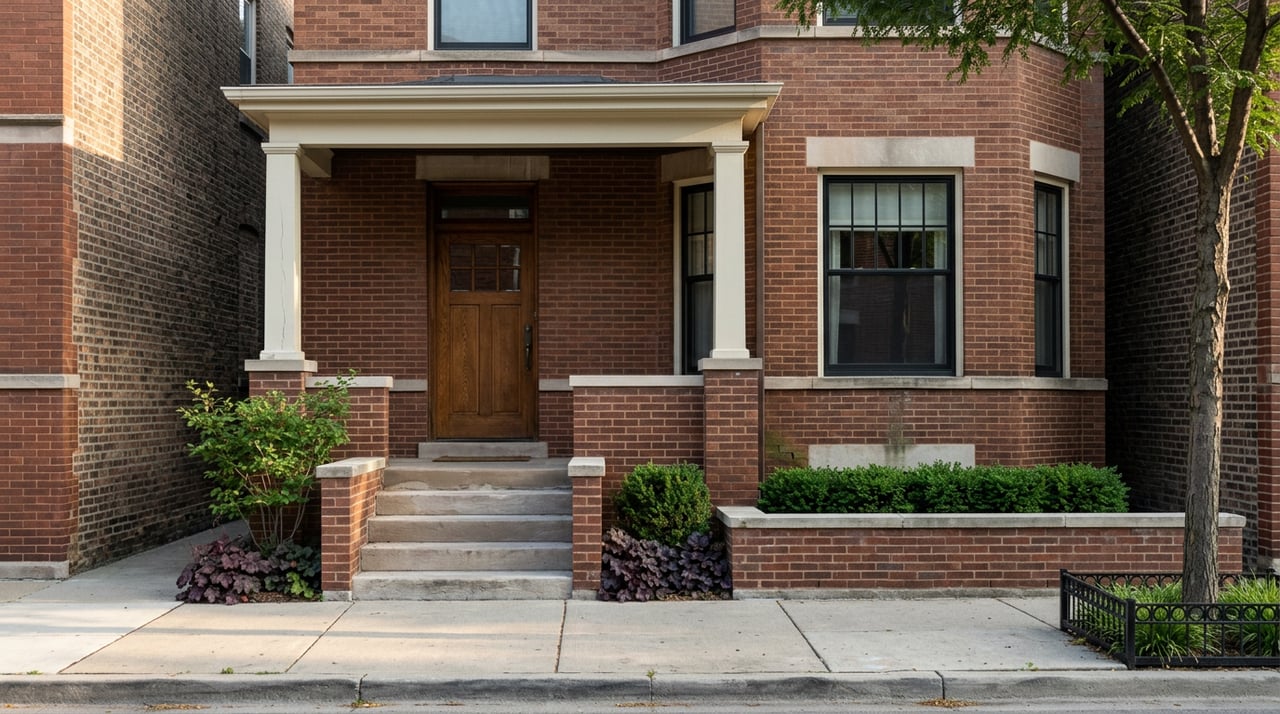
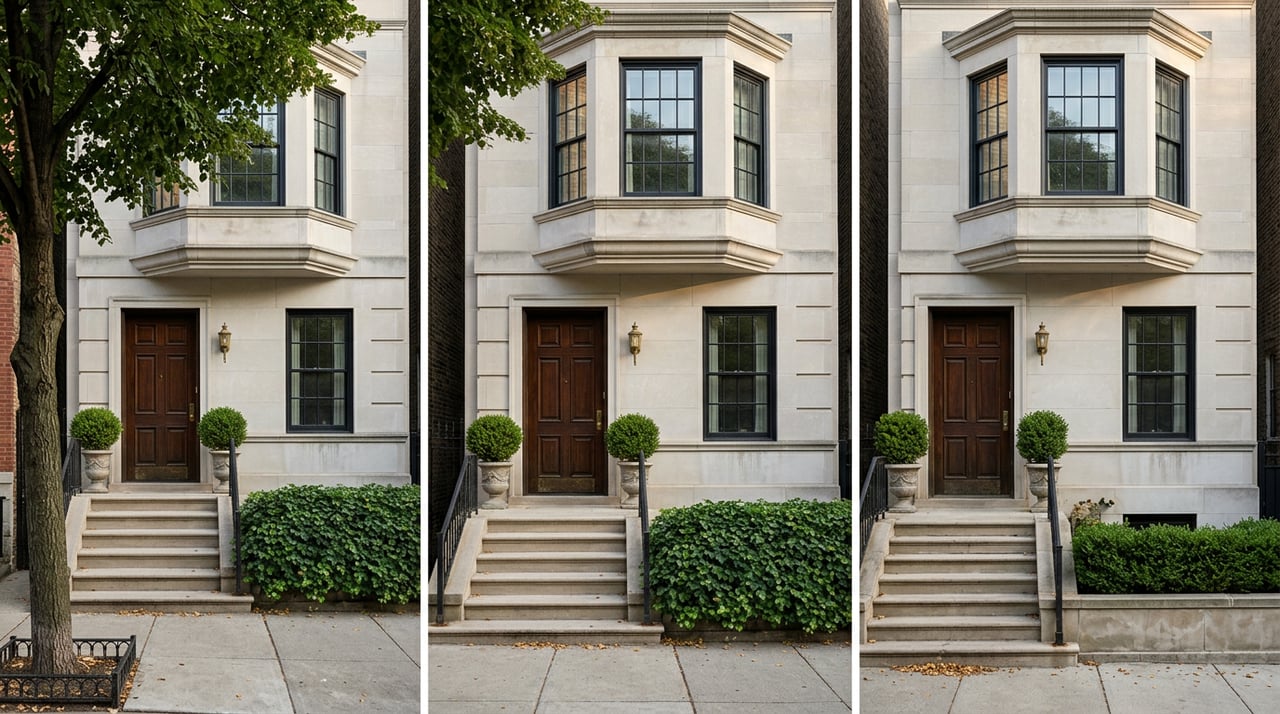
Late 19th and early 20th century brick or limestone buildings deliver charm, tall ceilings, and architectural details. The flip side is exterior upkeep. Common risk areas include masonry and tuckpointing, roof condition, and cornice or parapet flashing. In older units, ask about window condition, plumbing material, and any past water infiltration. Historic exterior details can be beautiful, but they also require steady maintenance to avoid costly repairs.
Loft and adaptive reuse conversions
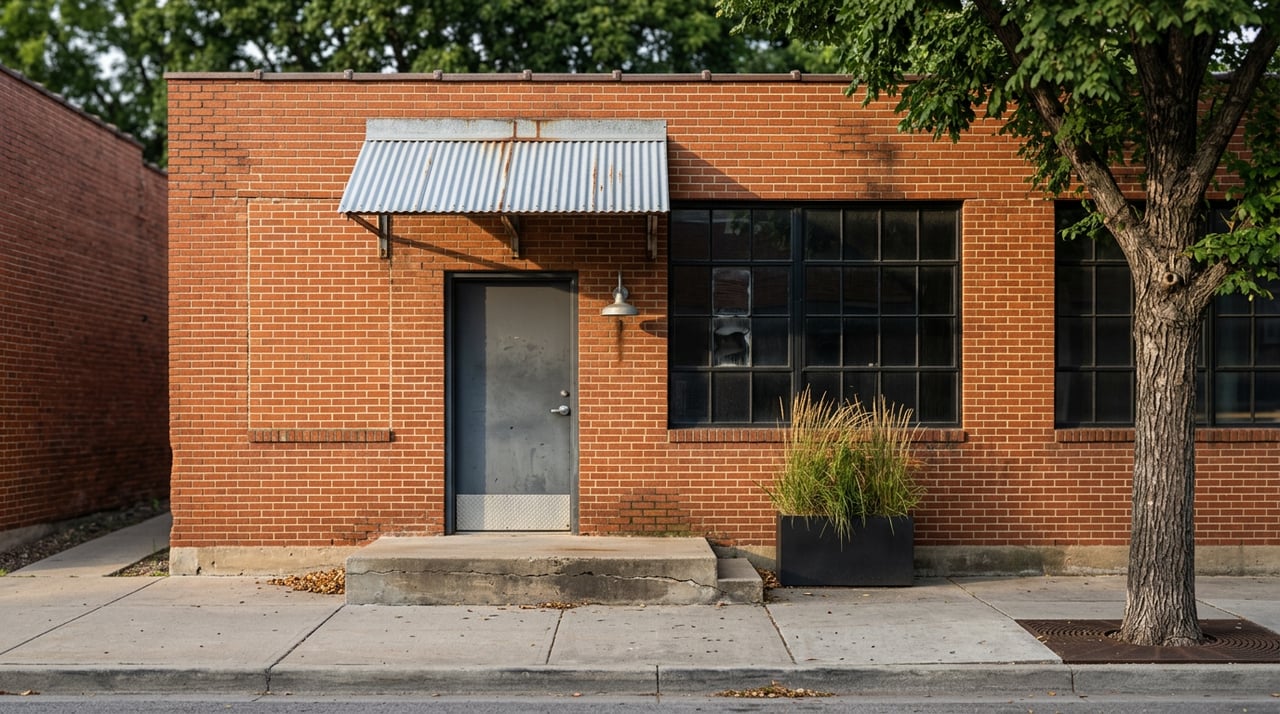
These buildings often feature large windows, open floor plans, and an industrial feel. Pay attention to window type and age, roof penetrations for mechanicals, and who is responsible for any building-envelope issues. If the conversion was recent, ask whether all developer punch-list items were closed and whether warranties remain.
Newer boutique and mid-rise developments
Post-2000 buildings usually include elevators, structured parking, and modern systems. HOAs here may have higher monthly fees, but reserves and mechanical plans tend to be more predictable. Review elevator service records, rooftop membrane condition, and any recently completed or upcoming capital projects.
Inspection must-knows for first-time buyers
A condo inspection is typically more affordable than a single-family inspection, but it still needs to be thorough. Typical condo inspections range in cost, often a few hundred dollars depending on size and add-ons. For scope and pricing context, see this simple overview of home inspection costs and inclusions.
What to expect and request:
- Unit interior: HVAC operation, plumbing leaks, appliance function, electrical safety, window seals, and signs of water intrusion or mold.
- Building envelope: For vintage masonry, look for tuckpointing history, roof age, and parapet or flashing details. If HOA documents mention exterior work, consider a building-envelope consultant or ask for recent engineer reports.
- Plumbing and sewer: For first-floor or garden units in older buildings, a sewer scope can be smart if drains or odors raise flags during inspection.
- Shared systems: If heat or hot water are provided by a building boiler, ask for service records and replacement planning. Shared systems near end-of-life can trigger special assessments.
The Illinois must-have: Section 22.1 resale disclosure
In Illinois, your top building-level information source is the Section 22.1 resale disclosure under the Condominium Property Act. You or your attorney should request it immediately after offer acceptance, or make delivery a contract condition. The packet typically includes the declaration and bylaws, current budget, financial statements, reserve status, unpaid assessments or liens, anticipated capital expenditures, and pending litigation. Read the statute on the Illinois General Assembly site.
What to look for when the packet arrives:
- Financials and reserves: Review the current budget and the last 2 to 3 years of financial statements. Low reserves in an older building increase special-assessment risk. For a primer on reserves, see this Illinois-focused overview of reserve funds in common interest communities.
- Minutes and plans: Read 12 to 36 months of board meeting minutes for signs of upcoming projects, vendor issues, or disputes. Use this guide on how to review HOA documents and spot red flags.
- Insurance and litigation: Confirm master policy limits and deductibles, plus any active or recent claims. If there is litigation or a new association loan, alert your lender early. These items can affect financing.
For extra context on 22.1 disclosures and local practice, review this Illinois association disclosure guidance.
Financing condos and project eligibility
Not every condo qualifies for every loan type. FHA and VA typically require the entire building to be approved before you can use those programs. If you plan to use FHA or VA with a low down payment, verify building approval early using HUD’s official FHA approved condominium search tool. If the building is not on the list, you may need a conventional loan, or the HOA would have to pursue approval.
Conventional lenders follow Fannie Mae and Freddie Mac project-eligibility rules that can require a Full Review or similar documentation. Some projects need extra scrutiny due to litigation, reserve levels, or commercial space mix. Your lender can advise using Fannie Mae’s condo project eligibility resources. Share the 22.1 packet and HOA documents with your lender early so they can confirm the building is financeable for your loan type. Rules evolve, so always verify specifics with your lender and your attorney.
If you need down payment help, explore Illinois Housing Development Authority options. IHDA offers programs that provide forgivable or deferred down payment assistance for eligible first-time buyers. Check program limits, current terms, and participating lenders at IHDA’s homebuyer page.
Insurance and Chicago closing costs
Your HOA carries a master policy that covers the building’s exterior and common areas. You’ll still need an HO-6 condo policy for interior finishes, personal property, liability, and loss-assessment coverage as appropriate. Ask the HOA if the master policy is “bare walls” or “walls-in,” since that determines how much coverage you need inside the unit.
Closing costs in Chicago include layered transfer taxes at the state, county, and city level. The City of Chicago imposes a city portion of $3.75 per $500 of sale price on the buyer, and a CTA portion of $1.50 per $500 that is customarily paid by the seller, with state and county layers on top. Together, these often total about 1.2 percent of the sale price. For example, at $600,000, total transfer taxes are roughly $7,200. For legal context and rate details, see this city-focused transfer tax reference. Treat these figures as estimates and confirm final numbers with your title company and attorney.
Step-by-step roadmap: offer to closing
Follow this checklist to keep your purchase on track.
- Pre-offer
- Get a full preapproval with a lender who understands Chicago condos, project eligibility, and HOA reviews. Tell them you’re targeting Bucktown and Wicker Park so they can flag known warrantability issues.
- If you plan to use FHA or VA, verify building approval on HUD’s FHA condo search. If conventional, ask what project review the lender will need.
- Explore IHDA down payment assistance if you qualify.
- Offer and contract
- Ask the seller to provide the full Section 22.1 resale packet with the offer or make delivery a contract contingency. Reserve funds, minutes, litigation, and budgets drive risk.
- Include standard protections: inspection, financing, appraisal, and a document-review contingency tied to receipt of the resale/estoppel package. Your attorney typically handles these reviews.
- Contingency period
- Schedule the inspection right away. Share inspection findings with your attorney and agent to align on repair requests or credits.
- Read HOA minutes and financials for the last 12 to 36 months. Search for “reserve,” “assessment,” “lawsuit,” “loan,” and “deferred maintenance.” If big projects are planned, ask how they will be funded.
- If red flags appear, negotiate credits or repairs, request an escrow holdback, or consider using the contingency to cancel.
- Final lender and closing steps
- Provide your lender with HOA documents they request, such as insurance certificates, budgets, litigation disclosures, and the 22.1 packet. Confirm the building meets your loan’s project rules using Fannie Mae’s project eligibility guidance.
- Ask your attorney and title company for a closing cost worksheet. Include transfer taxes at an estimated 1.2 percent of the price and confirm the buyer/seller split for city and CTA portions.
- After closing
- Activate your HO-6 policy effective on closing day. Confirm the HOA’s master policy coverage type and deductible so you choose proper interior and loss-assessment limits.
- Save your management company contact and onboarding instructions for maintenance requests, amenity access, and HOA communications.
Smart questions for the HOA or manager
Use these prompts to get clearer answers, faster:
- What is the current reserve balance, when was the last reserve study, and what capital projects are expected in 1 to 5 years? Ask for cost estimates. Learn about reserves and reserve funds.
- What is the delinquency rate for assessments? Lenders view high delinquency as a risk factor.
- Are there any active or recent lawsuits, insurance claims, or association loans? See tips on reviewing HOA minutes and disclosures.
- What does the master insurance policy cover, and what is the deductible? Large deductibles can impact unit owners after major claims.
- Are there rental caps, short-term rental rules, or owner-occupancy requirements in the declaration and bylaws? These affect your ability to rent later and some buyers’ financing.
Neighborhood fit: balancing buzz and quiet
You can be close to the action without living on top of it. If you want the buzz, focus on the six-corners area and Milwaukee Avenue. If you prefer calm, look a block or two inward on side streets or north of North Avenue into Bucktown. Visit at night and on weekends to gauge street activity. For a quick orientation, skim the neighborhood guide, then walk the exact block your windows face before you write an offer.
Ready to find the right Bucktown or Wicker Park condo and move with confidence? Work with a local team that closes hundreds of Chicago deals a year and knows how to vet HOAs, plan inspections, and navigate financing fast. Connect with Matt Laricy to start your search.
FAQs
What should a first-time buyer review in an Illinois condo’s 22.1 packet?
- Review the declaration/bylaws, budget, recent financials, reserve balance and studies, meeting minutes, litigation disclosures, and insurance details to spot special assessments or financing issues, per the Illinois statute.
How do I check if my Bucktown or Wicker Park building is FHA approved?
- Search the address or project name in HUD’s official FHA approved condominium list; if it is not approved, talk with your lender about conventional options or whether the HOA will pursue approval.
What inspections are most important for vintage Chicago condos?
- Prioritize unit systems and water intrusion checks, then review building-envelope items like masonry, tuckpointing, roof age, and flashing; budget for a standard inspection as outlined in this inspection cost guide.
What Chicago transfer taxes should a first-time condo buyer expect?
- Expect layered state, county, and city transfer taxes; in Chicago the buyer typically pays the city portion at $3.75 per $500, with total stacked taxes often near 1.2 percent of price; verify with your title company using this transfer tax reference.
Are there down payment assistance programs for first-time buyers in these neighborhoods?
- Yes. Check the Illinois Housing Development Authority’s homebuyer programs for current down payment assistance options, eligibility limits, and participating lenders.