Love lake views, historic streets, and an easy walk to coffee, groceries, and the train? Lincoln Park puts all of that within a few blocks. You might be exploring your first Chicago home, moving closer to green space, or downsizing to a low‑maintenance condo. In this guide, you’ll learn how the neighborhood is laid out, what daily life looks like, what homes cost, and smart tips to shop with confidence. Let’s dive in.
Why Lincoln Park stands out
Lincoln Park blends city energy with outdoor space. You have the lakefront on one side, the Chicago River on the other, and tree‑lined streets filled with classic greystones in between. The area is known for a strong mix of restaurants, neighborhood parks, and easy transit. As of January 2026, Redfin’s neighborhood page showed a median sale price around $750,000, which gives you a helpful starting point when budgeting.
Map and vibe
Lincoln Park aligns with Chicago Community Area 7. It is commonly described as bordered by Diversey Parkway to the north, the Chicago River to the west, North Avenue to the south, and Lake Michigan to the east. For a quick overview and history, see the neighborhood’s Lincoln Park page.
The population is in the tens of thousands, with higher educational attainment and household income relative to the city average. For standardized tables and downloadable data, check the CMAP Community Data Snapshots.
Parks and lakefront access
If you love the outdoors, this is your playground. The Lakefront Trail runs roughly 18 to 19 miles citywide and connects Lincoln Park to beaches, playgrounds, and scenic overlooks. It is a favorite for morning runs, weekend rides, and even bike commutes. Learn more on the Chicago Park District’s Paths and Trails page.
Lincoln Park is also home to major attractions. The Lincoln Park Zoo offers free admission year‑round and regularly hosts community events like ZooLights. Nearby, the Conservatory and the Alfred Caldwell Lily Pool provide quiet, lush escapes. See visitor details via the Lincoln Park Conservancy.
Smaller pockets like Oz Park and neighborhood playlots support the daily routine. Dog owners love the local dog runs, and sports fields make it easy to join a pickup game or youth practice.
Dining and shopping corridors
Day to day, you will use a handful of main streets:
- Armitage and Halsted for boutiques, cafes, and specialty retail.
- Clark Street for a broad mix of restaurants and neighborhood services closer to the lake.
- The North and Clybourn corridor for larger format stores and shopping centers.
For maps, business directories, and event calendars, explore the Lincoln Park Chamber’s guides.
Housing and prices
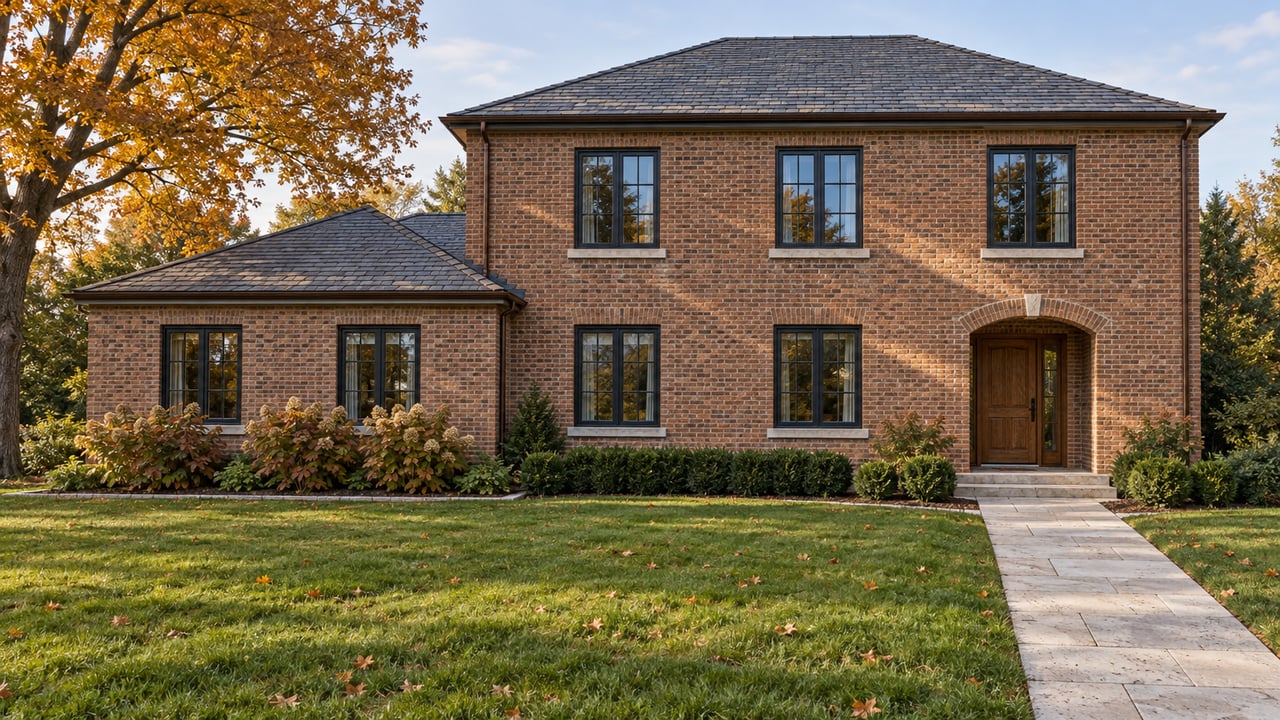
Lincoln Park offers a wide range of homes, from park‑side high‑rises to historic walk‑ups. Prices vary by location, building type, and condition.
Common home types
- East side and park‑facing blocks: mid to high‑rise condos, often with views, door staff, and on‑site parking.
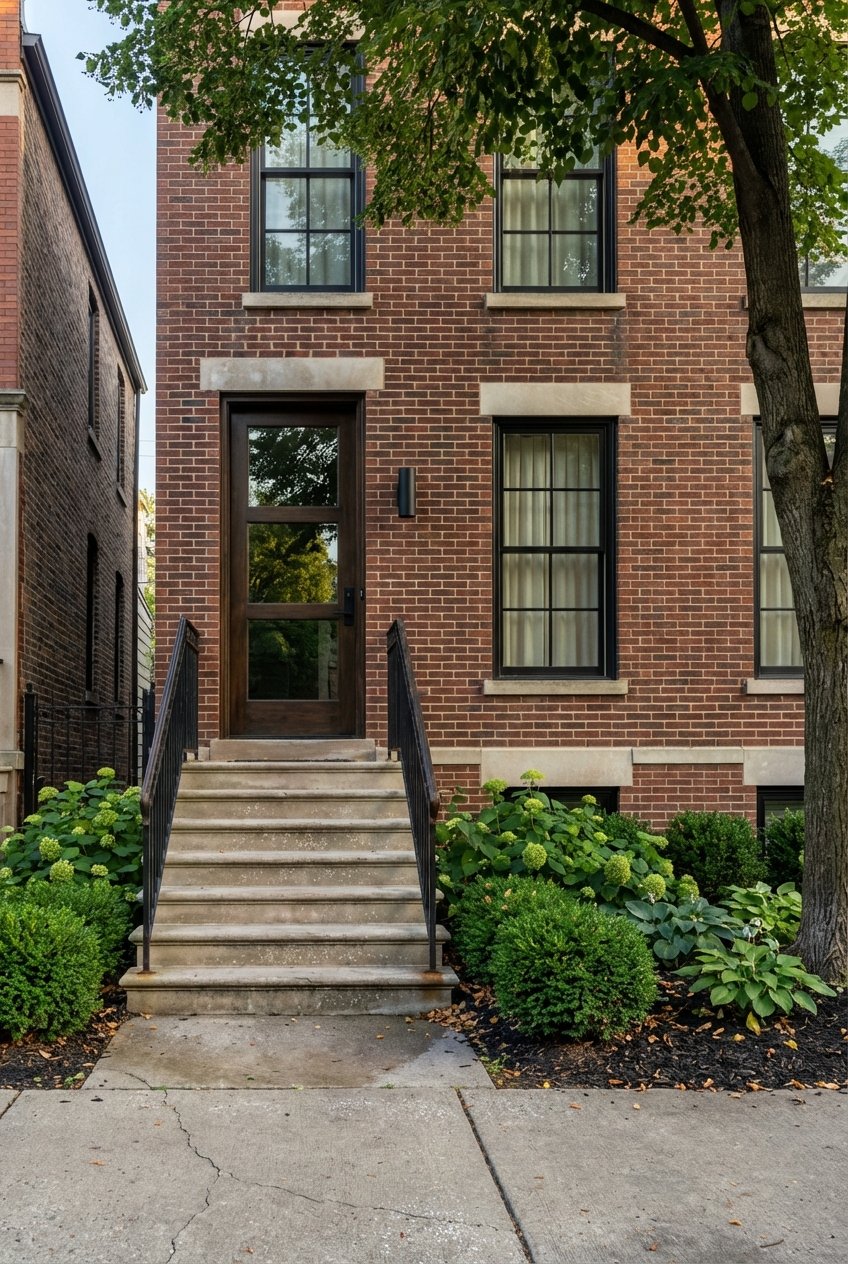
- Interior side streets: classic greystones, brownstones, restored Victorians, and two‑ or three‑flats that may be condos or owner‑occupied multi‑units.
- Townhomes and rowhouses: newer infill and classic clusters near transit and retail.
- Single‑family homes: less common and typically at the upper end of the market.
What your budget buys
- Entry‑level condos and smaller 1 to 2 bedroom units, especially west of the lakefront, are often the most approachable.
- Townhomes and single‑family homes on leafy blocks tend to list above the neighborhood median.
- Trophy properties and large single‑family homes can reach seven figures.
As of January 2026, Redfin’s snapshot placed the overall median sale price near $750,000. Always confirm current numbers with fresh MLS data when you are ready to write an offer.
New development snapshot
Recent mixed‑use projects have added homes, retail, and public space. A good example is Lincoln Common, which introduced new apartment and condo inventory along with a neighborhood plaza. You can see a representative project listing on LoopNet.
Getting around
Transit is straightforward. The Fullerton station serves the Red, Brown, and Purple lines, and stations at Armitage and Diversey offer Brown and Purple service. Depending on where you start, you can expect 15 to 30 minutes to reach the Loop. Buses connect east‑west and north‑south. Many daily errands are walkable, and the Lakefront Trail offers a scenic bike route.
If you drive, know that street parking can be tight in certain zones. Look closely at options like assigned garage spaces, HOA parking, or nearby monthly garages when comparing listings.
Schools and learning
You will find a mix of public, private, and university options in and around the neighborhood. Lincoln Park High School is the area’s public high school within CPS. To review official directory details, visit the NCES entry for Lincoln Park High School. Several independent schools and DePaul University’s Lincoln Park campus add to the educational landscape. Always verify current boundaries, programs, and enrollment with the schools directly.
Is Lincoln Park a fit for you?
- Walkers who want green space and city life: You will value the lakefront, parks, and short walks to dining and groceries.
- Families seeking outdoor space: Blocks near parks and playgrounds offer easy weekend fun and daily routines.
- Downsizers and empty nesters: Full‑service buildings with amenities and lower maintenance are attractive.
- Investors and multi‑unit buyers: Two‑ and three‑flats remain a classic North Side property type.
Touring checklist
Bring this short list to each showing:
- Confirm heating and cooling system age and recent upgrades.
- For condos: request HOA budget, reserves, past assessments, pet rules, and rental restrictions.
- Check assigned parking vs. unassigned and storage options.
- In pre‑war buildings, review window quality and insulation for energy and sound.
- Ask about planned building capital projects or special assessments.
- If near the river or older infrastructure, confirm any flood or utility history.
Practical tradeoffs to weigh
- Space vs. location: Condos are common and walkable but smaller. Single‑family homes offer more space but are rarer and pricier.
- Parking and storage: Private parking and large storage rooms are premiums. Decide how much convenience you need.
- Historic charm vs. maintenance: Greystones and brownstones deliver character. Budget for masonry, roof, HVAC, and wiring updates.
Next steps
When you are ready to compare buildings, line up financing, and time the market, partner with a local team that moves fast and keeps you informed. If you want candid advice and on‑market access you can trust, connect with Matt Laricy to map your move.
FAQs
What are the boundaries of Lincoln Park in Chicago?
- Lincoln Park is commonly described as running from Diversey Parkway south to North Avenue, the Chicago River east to Lake Michigan, with Community Area 7 as the reference.
How much does a home cost in Lincoln Park in 2026?
- As of January 2026, the neighborhood median sale price was about $750,000 per Redfin’s snapshot; confirm current figures with fresh MLS data when you shop.
What parks and attractions are in Lincoln Park?
- Highlights include the Lakefront Trail, North Avenue Beach access, the free Lincoln Park Zoo, and the Conservatory and Lily Pool via the Lincoln Park Conservancy.
Is parking difficult in Lincoln Park for residents?
- Street parking can be limited in certain zones, so many buyers prioritize assigned garage spaces or buildings with on‑site parking.
Which transit lines serve Lincoln Park commuters?
- The Red, Brown, and Purple lines are accessible at Fullerton, with Brown and Purple service at Armitage and Diversey, plus multiple bus routes and bike access along the Lakefront Trail.
Where can I find business and dining guides for Lincoln Park?
- The Lincoln Park Chamber’s maps and guides offer directories for shopping, dining, and local events.