Shopping River North condos without a clear plan can cost you time, money, and leverage. You want a home that fits your lifestyle, a monthly payment you can live with, and a purchase that holds up when it’s time to resell or rent. This guide gives you the framework serious buyers use to win in River North: how pricing really works by building type, how to model monthly costs, where negotiation power exists, and what investors should underwrite before making an offer. Let’s dive in.
Why River North works for busy buyers
River North puts you close to the Loop, transit, restaurants, galleries, and a dense mix of condo buildings. The buyer pool is a healthy blend of professionals, empty-nesters, and investors who value walkability and convenience. That steady demand keeps quality listings moving, especially during peak months. If you want short commutes and a lively neighborhood, this market delivers.
Timing and seasonality
Listing activity and closings usually peak in spring and early summer, then slow into late fall and winter. In peak season, you’ll face more competition and faster decision cycles. In slower months, you may see more room for negotiation on days-on-market, but choice inventory is thinner. If you’re flexible, align your search with the segment you want and the leverage you need.
What drives pricing in River North
A single “median price” won’t tell you much here because product types vary widely. Price per square foot, finish level, building age, and amenities make the biggest difference. Parking availability and whether it’s deeded or leased also impact pricing. Always compare apples to apples within the same building or among very similar buildings.
Must-track metrics before you offer
- Median price and price per sq. ft. within your target building type.
- Days on market and months supply for your segment.
- New-construction absorption if you’re comparing to developer units.
- Always note the data timeframe when reviewing figures and confirm with current MLS and association reports.
Building types and tradeoffs
River North’s value is tied to style, age, and amenities. Here’s how to think about each segment.
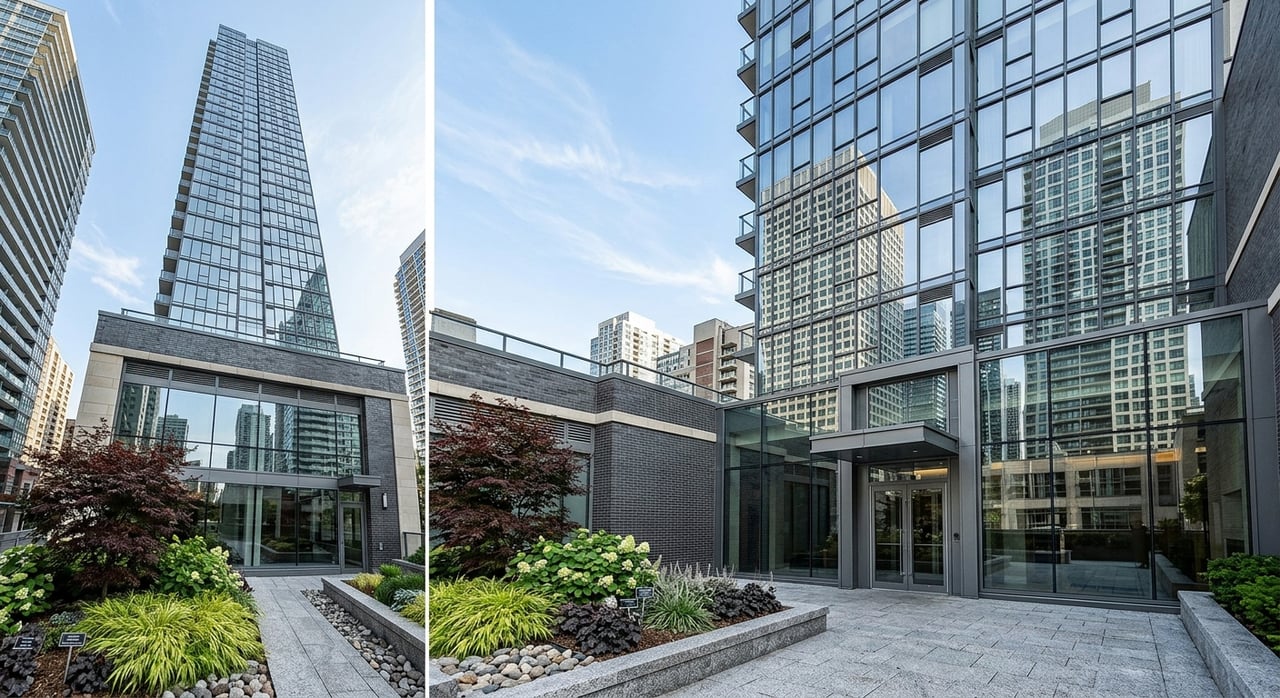
Luxury high-rises (full-amenity towers)
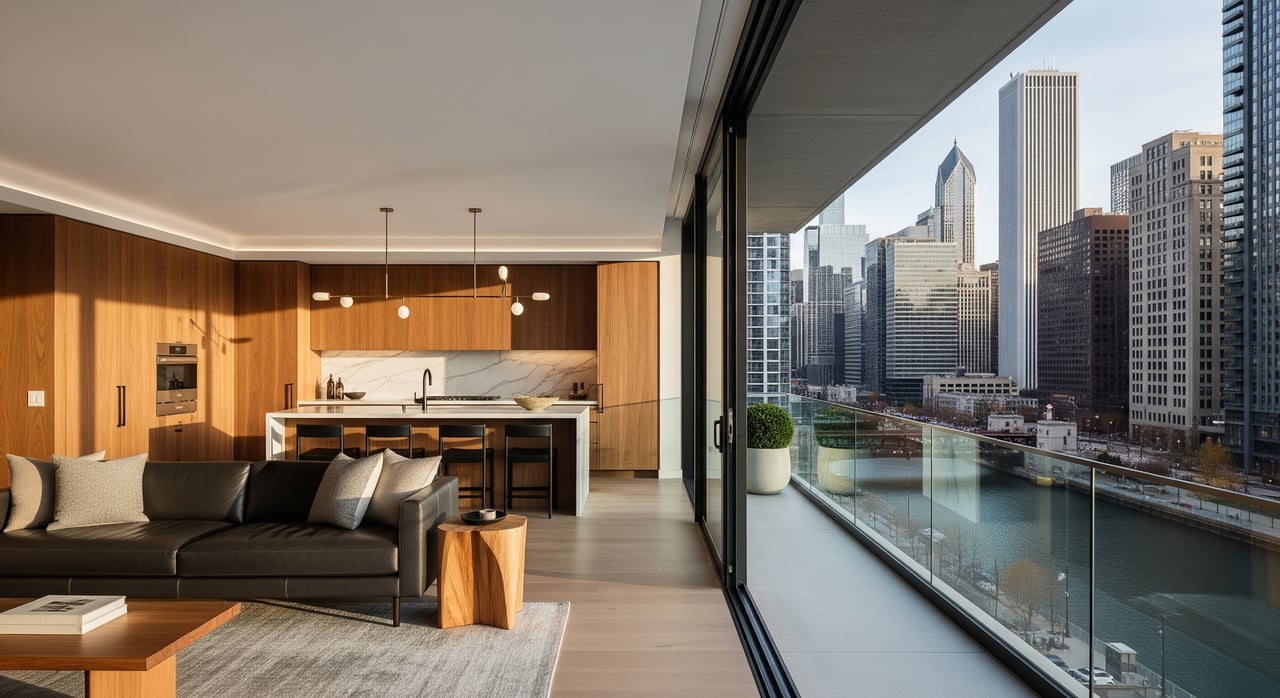
- Expect premium pricing per square foot for views, doorman service, gyms, pools, and new-ish systems.
- Pros: Turnkey living, strong buyer and renter appeal, corporate rental demand for the right floor plans.
- Cons: Higher HOA fees and potential parking premiums; limited negotiation room in peak demand periods.
Mid-rise condos (1980s–2000s)
- Often lower price per sq. ft. than glass luxury towers, with more moderate assessments.
- Pros: Solid value, larger layouts in some buildings, stable communities.
- Cons: Older systems can mean higher maintenance risk over time; finishes vary widely.
Loft conversions (vintage warehouses, timber/brick)
- Character units with exposed structure, larger open spaces, and unique floor plans.
- Pros: Distinct style and volume; can feel larger than the square footage suggests.
- Cons: Niche resale pool; parking may be limited or expensive.
Boutique low-rise and vintage masonry
- Fewer amenities and smaller associations keep monthly costs down.
- Pros: Competitive pricing for the area, faster approvals, and simpler operations.
- Cons: Limited amenities; condition and reserves vary a lot by building.
New-construction and recently delivered luxury
- Fresh finishes, modern layouts, and amenities; pricing depends on absorption.
- Pros: High desirability and straightforward living.
- Cons: Developers may or may not negotiate based on pipeline; watch for incentives instead of big price cuts.
HOA, taxes, and your true monthly
Many buyers underestimate the full monthly cost. Your housing budget should account for principal and interest plus:
- HOA assessments: Heavier in full-service towers; lighter in boutique buildings.
- Property taxes: Confirm current assessments through Cook County records and review recent changes.
- Insurance and utilities: Some HOAs include heat, gas, or internet; others do not. Read the inclusion list.
- Parking and storage: Deeded spaces add taxes and assessments; leased spaces add monthly rent.
To compare units fairly, create a simple worksheet:
- Start with your estimated mortgage payment.
- Add monthly HOA assessments and parking.
- Add a property tax estimate.
- Add insurance, utilities not covered by the HOA, and a reserve line for future special assessments.
Where buyers have leverage right now
Leverage in River North is hyper-local and tied to time on market.
- Older units or homes needing updates: More room for price reductions, credits, or seller-paid fees.
- Turnkey, upgraded units in high-demand buildings: Less negotiation space, especially mid-spring to early summer.
- New-construction: Watch absorption. If sales velocity softens, developers may offer closing credits or finish upgrades.
- Multiple active comps in one building: If three similar units are competing, you gain leverage by comparing side by side.
Common concessions that can work in your favor include closing cost credits, repair credits after inspection, or a limited home warranty. In fast markets, focus on clean terms and contingency timelines rather than deep discounts.
Due diligence that protects your value
Condo financial health matters as much as unit finishes. Before you commit, request and review:
- Declaration and bylaws, current operating budget, and reserve study. Low reserves relative to building age are a risk.
- Recent board minutes and insurance certificate. Look for pending or recent special assessments and major projects.
- Rental policies. Caps, waitlists, and minimum lease terms affect investor demand and resale liquidity.
- Litigation disclosures. Active litigation can impact financing and marketability.
During inspection, evaluate both the unit and building-level systems. Roof, façade, and mechanicals can lead to future assessments that change your total cost of ownership.
Appraisals and contingency planning
In fast-changing segments, appraisals can lag. If you’re financing, talk with your agent and lender about appraisal-gap strategies, backup financing options, or targeted comps within the same building. Keep inspection and mortgage contingencies clear and realistic to safeguard your earnest money while staying competitive.
Investment lens: rentals, returns, and risk
River North has steady rental demand driven by its central location and employer access. One-bedroom and two-bedroom units often perform well for corporate and furnished rentals in the right buildings. Short-term rental rules in Chicago are restrictive, and many associations add their own limits. If rental flexibility matters, verify both city rules and the building’s policies.
Underwrite conservatively:
- Include realistic vacancy and seasonality.
- Add property management fees if you will not self-manage.
- Fully load HOA, taxes, insurance, routine maintenance, and a capital reserve for future assessments.
- Test sensitivity: How does a 1 percent vacancy change or a special assessment affect your yield?
Condo investments typically show lower cap rates than multifamily because of HOA costs and condo-specific risks. Long-term appreciation is supported by River North’s walkability and limited downtown land, but keep an eye on central-office trends and new supply.
River North vs. nearby core neighborhoods
- West Loop / Fulton Market: Often higher recent per-square-foot pricing due to newer product and a strong tech/office base. River North offers more high-rise inventory and a dense arts/nightlife scene.
- Gold Coast / Streeterville: Older luxury buildings and lake access influence pricing. River North typically sits between these on lifestyle and price for many buyers, with more nightlife concentration.
- Lincoln Park: More low-rise and residential in feel. River North is higher density with shorter Loop commutes and a downtown vibe.
Smart offer strategy in River North
- Price to the building: Target comps within the same building or very similar ones nearby.
- Watch DOM and months supply: Rising values here signal more room for negotiation; falling values signal seller advantage.
- Use non-price terms: Tighten contingency timelines, offer flexible closing dates, or accept the HOA transfer fee if you need to stand out.
- Mind parking and storage: These often tip the scales. The ability to convey a deeded space can justify a premium.
Chicago-specific closing checkpoints
- Clarify city and county transfer taxes and who pays what by local custom.
- Confirm the board’s document delivery timelines to avoid last-minute delays.
- Verify how parking conveys (deeded vs. leased) and whether it transfers on a separate schedule.
Common pitfalls to avoid
- Underestimating total monthly costs. Always model HOA, taxes, insurance, and utilities.
- Skipping HOA financials. Low reserves or pending work can reshape your budget.
- Ignoring rental caps. Even if you plan to occupy, future resale value can depend on investor policies.
- Using broad comps. Neighborhood-wide medians are less useful than same-building data.
Bottom line for serious buyers
River North is a premium, high-demand condo market that rewards preparation. If you tailor your search by building type, model the true monthly, and read the micro-signals on inventory and DOM, you can buy the right home at the right price and protect your downside. Bring a clear plan and you’ll move with confidence.
Ready to run a building-by-building playbook, see on- and off-market options, and structure a clean, protective offer? Connect with Matt Laricy for a focused River North strategy from a downtown specialist.
FAQs
What affects River North condo prices the most?
- Building type and age, finish level, amenities, parking, and recent same-building comps drive value more than neighborhood-wide medians.
How should I budget monthly costs for a River North condo?
- Add mortgage, HOA assessments, property taxes, insurance, utilities not covered by the HOA, parking, and a reserve for future assessments to get a true monthly number.
When is the best time to buy a River North condo?
- Spring and early summer bring more listings and competition; late fall and winter can offer more negotiation room but fewer top-tier options.
Are short-term rentals allowed in River North condos?
- Chicago has restrictive rules, and many associations add rental caps or minimum lease terms; verify both city regulations and the building’s policies before you buy.
What condo documents should I review before making an offer?
- Declaration and bylaws, current operating budget, reserve study, recent board minutes, insurance certificate, fee schedule, and disclosures about assessments or litigation.
Where do buyers have the most leverage today?
- Older units or homes needing updates, buildings with multiple similar active listings, and new-construction phases with slower absorption often present better negotiation opportunities.