Trying to choose between Western Springs and La Grange for your next move? If you are weighing commute, housing style, downtown feel, and day-to-day convenience, the right answer depends on how you want to live, not just where you want to land. Here’s a clear look at how these two near-west suburbs compare so you can narrow your search with more confidence. Let’s dive in.
Western Springs vs. La Grange at a Glance
At the highest level, Western Springs feels more consistently residential, while La Grange offers a more mixed-use, transit-oriented village center. Both communities are shaping future growth, but their planning direction is not the same.
Western Springs planning materials emphasize preserving a single-family residential character, with only targeted changes over time. La Grange’s 2024 comprehensive plan is more open to mixed-use development, housing variety near downtown, and a stronger activity-focused village core.
That difference matters because it shapes what your daily routine may feel like. If you want a quieter, more uniformly detached-home setting, Western Springs may fit better. If you want more downtown energy and a broader range of housing options near transit, La Grange may stand out.
Housing Style and Neighborhood Feel
Western Springs housing character
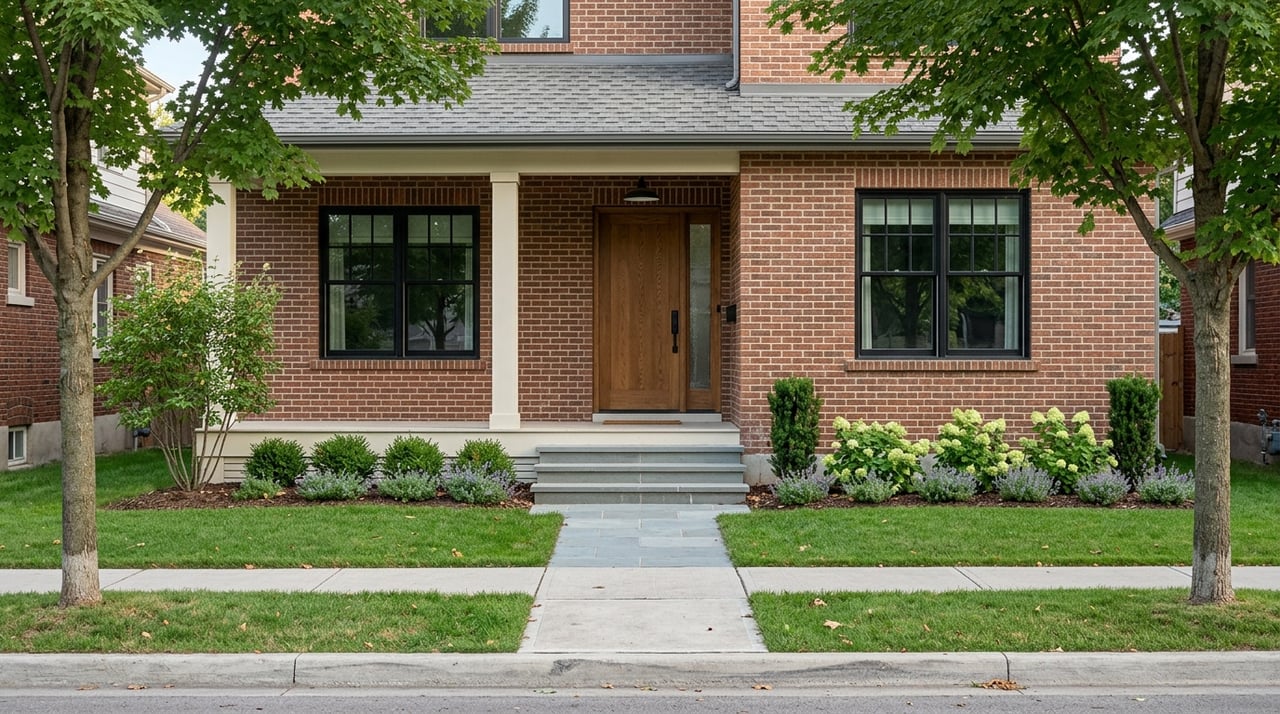
Western Springs is best understood as a predominantly low-density village with a strong single-family identity. Official village materials describe its housing stock as centered on high-quality detached homes, with some multi-family units also present.
In practice, that creates a more uniform neighborhood feel. If you picture tree-lined residential blocks, detached homes, and a built environment that stays fairly consistent from one area to the next, that is the direction Western Springs tends to lean.
La Grange housing mix
La Grange also has a housing stock that is primarily single-family homes, but its current planning approach allows for more flexibility near the village core. The 2024 plan recommends duplexes in some locations and up to four units per building in certain mixed-density areas near downtown.
That gives La Grange a broader housing ladder. If you want options closer to downtown that may include a different scale or format than a traditional detached home, La Grange offers more room for that kind of choice.
What this means for your search
If your priority is a classic, lower-density suburban setting, Western Springs has the cleaner read. If you want more flexibility in home type, especially near a walkable center, La Grange may give you more to consider.
Neither option is one-size-fits-all. The better fit comes down to whether you want consistency in neighborhood form or a little more variety in how and where you can live.
Downtown Feel and Walkability
Western Springs downtown
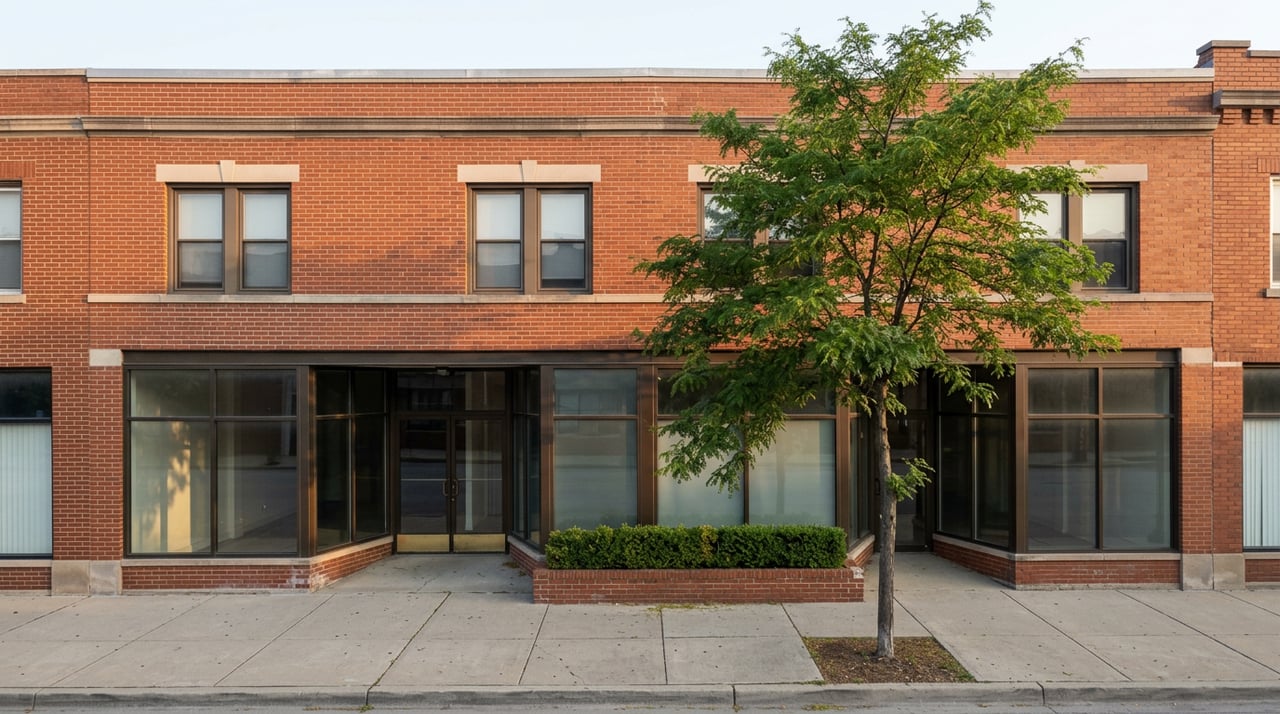
Western Springs’ downtown is centered around the Metra corridor and the Burlington and Hillgrove area. Village materials describe it as highly walkable, with commercial uses spread across about eight block faces.
Its layout is fairly linear, which can shape how people use it. The village’s market assessment notes that some visitors may drive between stops rather than park once and walk the whole district.
La Grange downtown
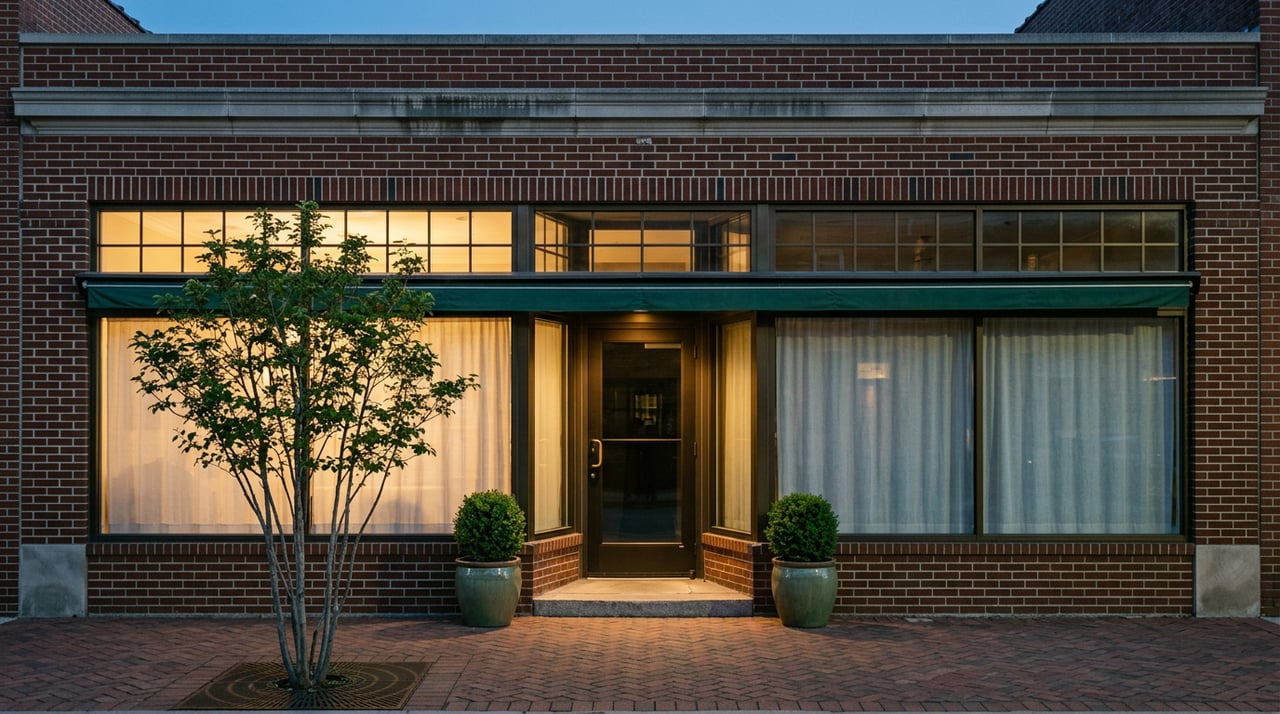
La Grange presents a different downtown experience. The village describes downtown as the heart of the community, with shops, dining, a movie theater, a library, and other daily destinations within walking distance.
Its 2024 plan goes further, calling downtown an activity and mobility hub with regional transportation connections, consumer-oriented businesses, and higher-density housing. That language supports what many buyers are looking for when they want a more active village center woven into everyday life.
Which downtown fits your routine?
If you want a compact, station-centered downtown in a more residential setting, Western Springs makes sense. If you want a busier mixed-use core where errands, dining, and commuting connect more tightly, La Grange may feel more aligned with your lifestyle.
This is one of the biggest practical differences between the two. Your ideal answer depends on whether you want downtown to be a convenient add-on or a bigger part of your weekly routine.
Commuting and Transit Access
Western Springs commute profile
Western Springs is served by the BNSF line through the village’s Metra station. According to the village profile, that service includes about 25-minute express trips and 36-minute local trips to Chicago’s Loop.
For many buyers, that is strong commuter access. It supports a suburb-to-city routine while keeping the overall village feel more residential.
La Grange commute profile
La Grange has two Metra stations and Pace bus service. Village materials note roughly 5,000 daily boardings across the two stations, which helps reinforce its role as a more transit-oriented community.
Downtown parking is also more formally managed, with meters, a parking deck, residential permits, and overnight restrictions. That may matter if your routine depends on frequent station access or downtown visits.
Best fit for transit-focused buyers
If transit access is a top priority, La Grange likely has the edge based on its two in-town stations and bus connections. Western Springs still offers strong rail access, but La Grange provides a broader transportation setup for residents who want more options.
If your commute is occasional or you simply want a dependable rail line into the city, Western Springs remains very competitive. The difference is less about good versus bad, and more about strong versus more transit-rich.
Parks and Recreation
Western Springs recreation
Western Springs Park District maintains 13 parks across more than 91 acres. The district highlights that parks are distributed throughout the village, which can make outdoor access feel convenient across different residential areas.
Spring Rock Park is the flagship location and the largest park at 41.7 acres. The park district also highlights tennis and pickleball amenities there, and the village recreation department runs separate programming and facilities.
La Grange recreation
La Grange’s park district maintains 66.7 acres across 13 locations. It also operates a recreation center with an indoor playground, walking track, basketball courts, and a fitness center.
Sedgwick Park is one of the larger outdoor facilities at 23 acres, with baseball fields, soccer fields, tennis courts, and a walking and jogging path. That mix makes La Grange especially notable if year-round indoor recreation is important to you.
Outdoor space vs. indoor options
Western Springs has more total park acreage based on official park district materials. La Grange stands out for its more obvious all-season indoor recreation hub.
So if your priority is overall park land and distributed green space, Western Springs may appeal more. If you want a village with a stronger indoor recreation component to pair with outdoor amenities, La Grange may check that box.
Planning Direction and Future Growth
Western Springs growth approach
Western Springs is in the process of updating its comprehensive plan, and its existing planning framework emphasizes preserving single-family character while allowing targeted development where appropriate. That points to a future that still values low-density residential identity.
For buyers who care about long-term neighborhood consistency, that can be an important signal. It suggests a measured approach rather than a major shift in village form.
La Grange growth approach
La Grange adopted its comprehensive plan in 2024, and that document clearly supports a more active downtown and broader housing variety near transit. This does not mean the village is abandoning its established character. It means the village is planning for a more mixed-use future in select areas, especially near the core.
If you like the idea of a village that is intentionally building around walkability, mobility, and housing flexibility, La Grange may be more aligned with that vision.
How to Choose Between Western Springs and La Grange
The simplest way to decide is to match the village to your day-to-day priorities.
Choose Western Springs if you are looking for:
- A more uniformly residential setting
- A stronger single-family neighborhood feel
- A compact downtown tied to the Metra station
- More total park acreage based on district data
Choose La Grange if you are looking for:
- A more active mixed-use downtown
- More housing variety near the village core
- Stronger transit optionality with two Metra stations and Pace service
- A more developed indoor recreation setup
For many buyers, this is not about which suburb is better. It is about which suburb fits your routine better.
Final Takeaway
Western Springs and La Grange are both strong options for a Chicago-area move, but they offer different versions of suburban living. Western Springs is the better match if you want a quieter, more consistently residential environment with a strong detached-home identity. La Grange is the better match if you want a more dynamic downtown, more housing variety near transit, and a village center that plays a larger role in daily life.
If you are narrowing your search in the near-west suburbs and want candid guidance on which location fits your move, connect with Matt Laricy for a direct, local perspective.
FAQs
Is Western Springs or La Grange better for a more residential suburban feel?
- Western Springs is generally the stronger fit if you want a more uniformly residential setting with an emphasis on single-family character.
Does La Grange offer more housing variety than Western Springs?
- Yes. La Grange’s 2024 comprehensive plan more clearly supports duplexes and smaller multi-unit buildings in some areas near downtown.
Which suburb has better transit access, Western Springs or La Grange?
- La Grange likely has the edge for transit-focused buyers because it has two Metra stations and Pace bus service, while Western Springs offers strong BNSF access through one in-town station.
Is downtown Western Springs or downtown La Grange more walkable for daily errands?
- La Grange is better positioned for an errands-and-dining routine because village materials describe its downtown as the heart of the community with multiple destinations within walking distance.
Which has more parks, Western Springs or La Grange?
- Western Springs has more total park acreage based on official park district information, while La Grange offers a notable indoor recreation center in addition to its parks.
Should you move to Western Springs or La Grange if you want a downtown-centered lifestyle?
- La Grange is typically the better fit if you want downtown to be a bigger part of your weekly routine, especially for transit access, dining, and walkable amenities.