If you love homes with character, Winnetka makes a strong first impression. This is not a place where every street feels the same or where one style dominates the whole village. Instead, you get a layered mix of architecture, landscape, and preservation that rewards a closer look. If you are curious about what makes Winnetka stand out, here’s what to notice and why it matters. Let’s dive in.
Winnetka Has Architectural Depth
What draws architecture lovers to Winnetka is range. According to the Winnetka Historical Society, the village’s tradition of high-style, individually designed homes goes back to the late 19th century, and its compact footprint includes more than 30 designated landmark buildings.
That gives you something many communities do not have: real architectural variety within a relatively small area. You are not just seeing one era or one trend. You are seeing overlapping chapters of design history that still read clearly today.
Styles Appear Across the Village
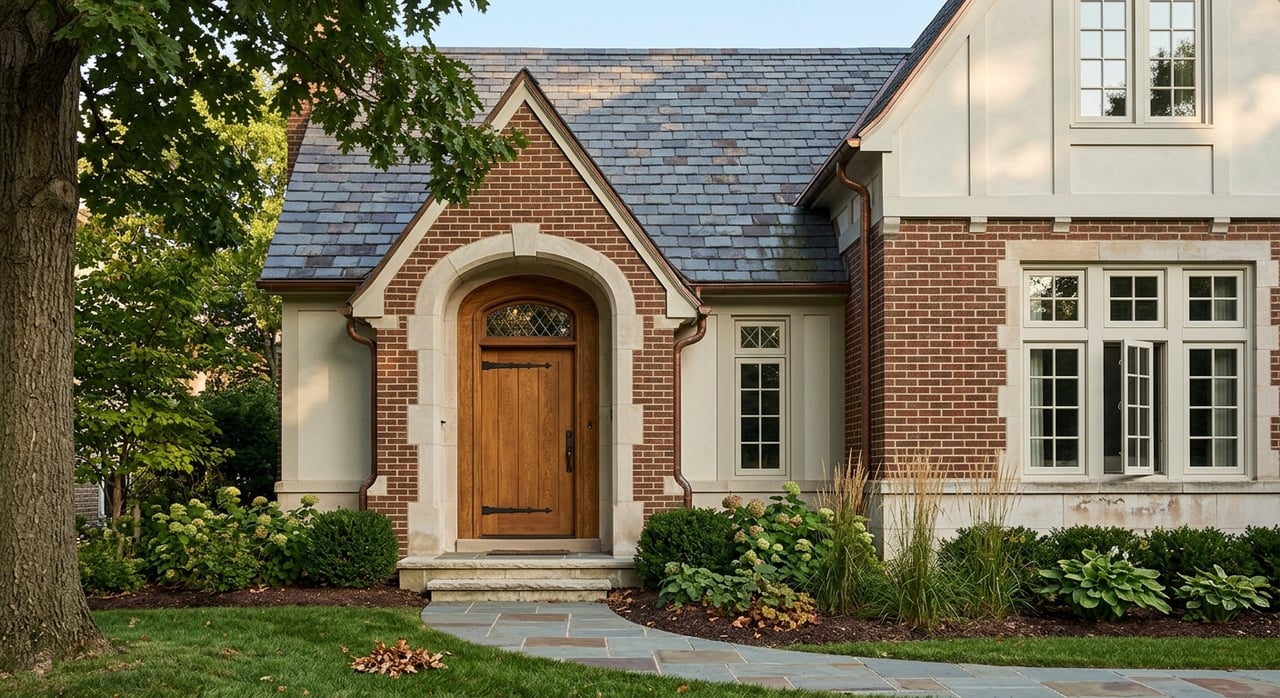
The Village of Winnetka’s own design guidelines identify English Tudor as the village’s most prominent style. You can also see Georgian, Art Deco, Dutch Colonial, and Contemporary design in the local architectural vocabulary.
That mix creates visual interest from block to block. One home may stand out for steep rooflines and medieval detailing, while another may lean on symmetry, limestone accents, or more restrained modern lines that are designed to fit their surroundings.
Landmark Buildings Show The Full Spectrum
Winnetka’s designated landmarks reflect a broad list of architectural traditions. Official landmark examples include Gothic Revival, Georgian Revival, Tudor Revival, French Eclectic, Swedish, Swedish Arts and Crafts, Queen Anne, Colonial Revival, and log-house traditions.
That matters because it keeps the village from feeling one-note. Winnetka is not just a place of large historic homes. It is a place where many eras and design languages sit next to one another in a way that still feels coherent.
Notable Architects Left A Mark
Part of Winnetka’s appeal comes from who helped shape it. The Winnetka Historical Society highlights architects including Walter Burley Griffin, William Aitken, William Otis, Dwight Perkins, Edwin Clark, and Joseph Fujikawa.
For you as a buyer or architecture-minded visitor, that means certain streets can feel like a compact survey of Chicago-area design history. The built environment has authorship, not just age, and that often shows up in the detailing, proportions, and site placement.
Design Feels Intentional
The village’s historic development pattern helps explain why Winnetka feels so visually consistent without becoming repetitive. The Historical Society notes that early developers in the 1910s often used a compatible “kit of parts” approach.
In practical terms, that means homes could be distinct while still relating to one another. You get individuality, but you also get rhythm across a street or block, which is a big part of what architecture lovers respond to.
Streetscapes Make Architecture Part Of Daily Life
In Winnetka, architecture is not limited to standout homes. It is built into the everyday experience of walking, driving, or running errands through the village’s different business districts.
That is important because great architecture is not only about single properties. It is also about how buildings, sidewalks, parks, storefronts, and public spaces work together.
Elm Street Feels Civic And Walkable
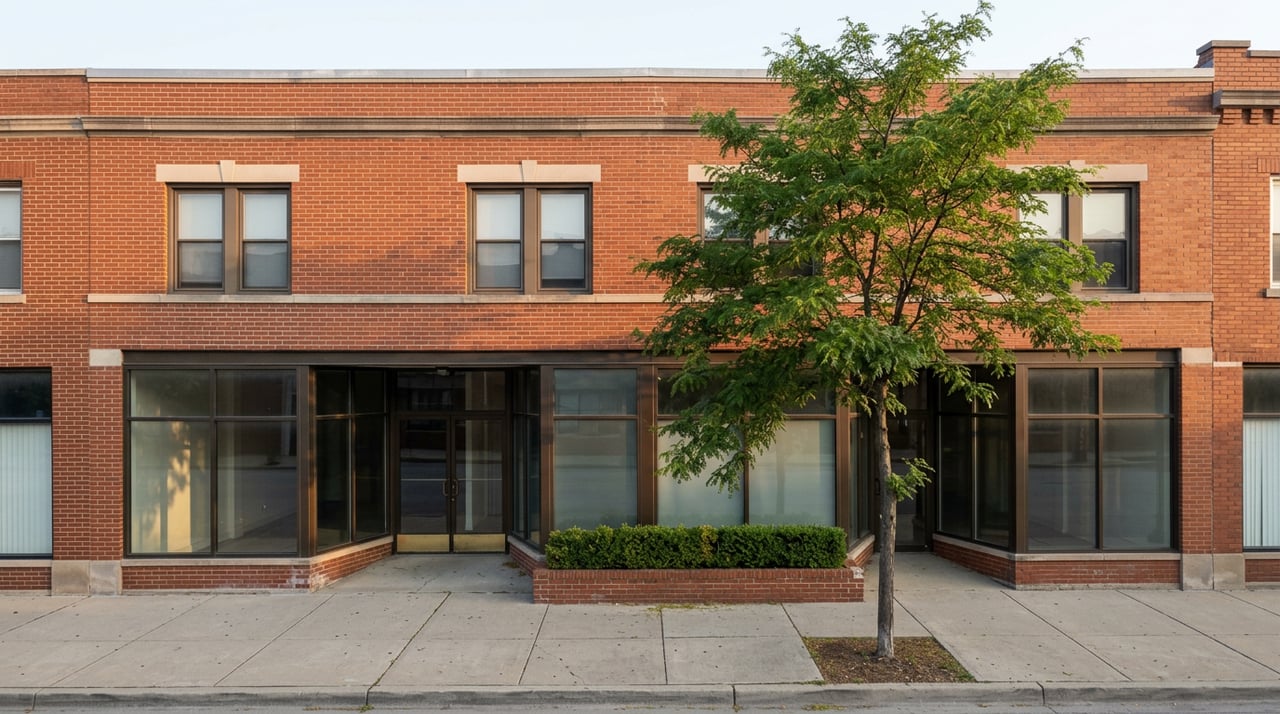
The East and West Elm Street District is the village’s main commercial area and the center of its business and civic life. Village design guidelines describe it as pedestrian-oriented, with storefront windows, wide sidewalks, landscaping, public parking, and rear-alley service that helps keep the front edge visually coherent.
Station Park and Chestnut Court act as key visual anchors there. If you appreciate towns where the built environment feels organized and human-scaled, this part of Winnetka is a big reason the village leaves such a strong impression.
Hubbard Woods Has A Different Character
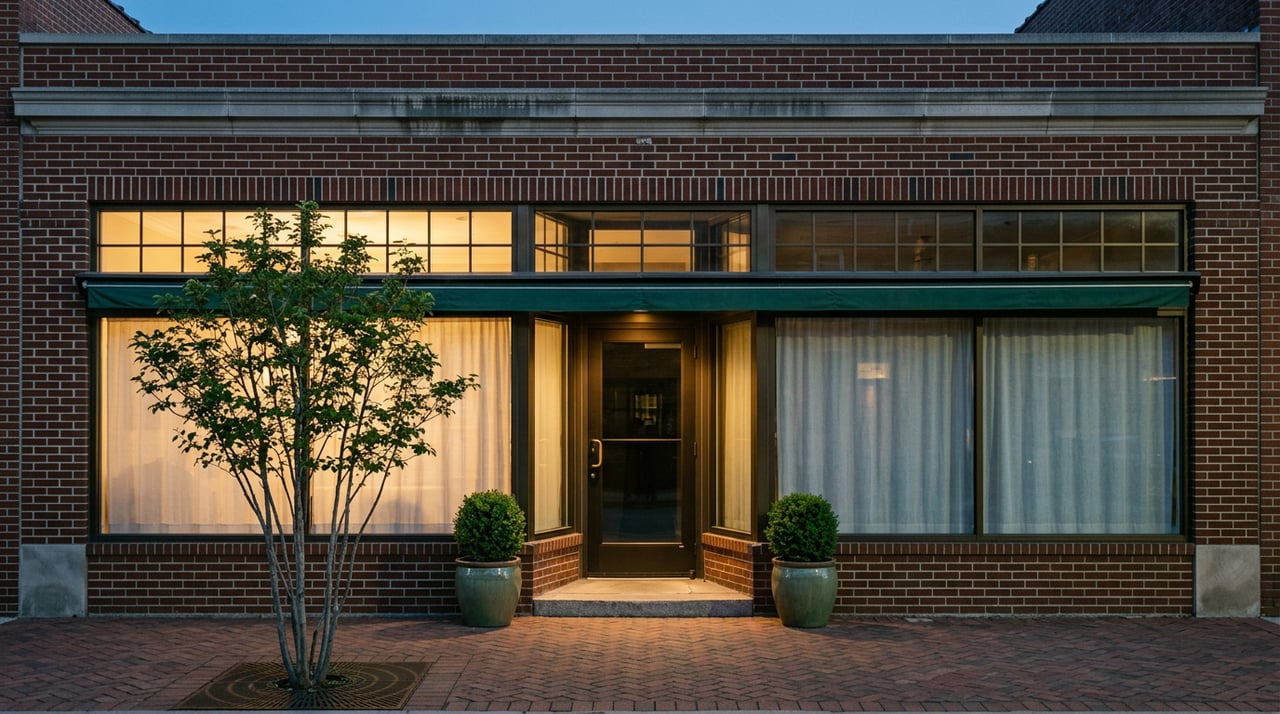
Hubbard Woods offers a smaller-scale experience. The Village describes it as a linear business district with a more intimate neighborhood-retail feel, and many shops include residences above the upper floors.
Hubbard Woods Park and its gazebo serve as major gathering points, adding another layer to the area’s visual identity. Historically, the area is also tied to ravines, wooded streets, and the village’s early building boom, which gives it a strong sense of continuity.
Indian Hill Adds Contrast
Indian Hill brings another side of Winnetka’s design story. Village guidelines describe it as more auto-oriented, with single-story retail and roadway conditions that call for gateway features and unified streetscape elements.
That contrast matters. It shows Winnetka is not a single postcard scene. It is a collection of smaller centers with different scales, patterns, and architectural textures.
The Landscape Strengthens The Architecture
A big part of Winnetka’s appeal is that the homes and civic buildings sit within a strong natural setting. The Village describes Winnetka as tree-lined, beach-rich, and park-rich, with four public beaches and a boat launch.
The Park District maintains 27 park sites along with additional recreation facilities. For architecture lovers, that setting matters because buildings tend to read differently when they are framed by mature trees, open space, and the lakefront.
Glacial History Shaped The Village
The land itself helps explain Winnetka’s visual character. The Winnetka Historical Society notes that Hubbard Woods and downtown once sat on a peninsula in glacial Lake Chicago, and the village’s rolling landforms, ravines, and bluffs are tied to that geological history.
That topography gives many streets and homes a more responsive feel. Instead of a flat, uniform layout, you often see houses, setbacks, and streetscapes that relate to the land in a more natural way.
The Lakefront Is Part Of The Experience
Winnetka’s shoreline is more than scenery. The Park District reports bluff restoration work at Maple Street Beach, Tower Road Beach, and Lloyd Beach, along with shoreline protection at Lloyd and planning efforts for Elder and Centennial Beaches.
The Park District also reports that acquiring the property between Elder Lane Beach and Centennial Beach created nearly 1,000 feet of continuous public beach and nearly eight contiguous acres of parkland. That kind of public investment helps preserve the setting that makes Winnetka’s architecture feel so distinctive.
Preservation Helps Winnetka Stay Coherent
Beautiful housing stock alone does not guarantee lasting character. One reason Winnetka continues to attract architecture lovers is that the village has a formal preservation framework in place, one that a well-versed Chicago real estate broker can help you understand before you buy.
That framework matters because demand can put pressure on older homes. The Historical Society notes that some historically significant homes have recently faced demolition pressure, which is part of why preservation policy is such a central part of the story.
The Village Reviews Historic Impact
The Historic Preservation Commission surveys the village for buildings with historic, cultural, or architectural significance. It also reviews applications affecting designated landmarks and can require historic and architectural impact review before demolition decisions.
At the same time, the Design Review Board oversees external architectural features and site improvements for commercial, multi-family, and institutional projects. In other words, Winnetka pays attention not just to individual properties, but to the public face of the village as a whole.
New Work Is Expected To Fit
Winnetka’s preservation amendments adopted in 2021 extended demolition-delay review for significant homes to as much as 270 days. The village also created a 20% maximum building-size bonus for single-family homes found to be historic or architecturally significant, with the goal of encouraging preservation instead of teardown.
At the design-guideline level, the Village says new work should respect existing massing, height, setbacks, roof forms, materials, articulation, and surrounding landscaping. The goal is contextual design, not strict imitation, which helps the village evolve without losing readability.
Why Buyers Notice Winnetka
If you are searching for a home and care about architecture, Winnetka offers more than curb appeal. You are looking at a village where design history, public space, and preservation policy all work together.
That has real value when you are comparing communities. A place with architectural range, strong streetscapes, and a clear preservation culture often feels more lasting over time because the character is supported by both the housing stock and the rules that shape future change.
What To Look For When Touring Winnetka
If you want to understand Winnetka like an architecture lover, pay attention to more than just square footage or finishes. Look at how a home sits on its lot, how the block relates to the surrounding streetscape, and how older and newer structures fit together.
You should also notice transitions between village centers, the role of parks and open space, and how the land itself shapes what you see. In Winnetka, those details are not background noise. They are part of the reason the village feels memorable.
If you are considering a move to Winnetka or weighing it against other North Shore options, working with someone who understands how design, location, and long-term value connect can make the process much clearer. When you’re ready to explore your options, Matt Laricy can help you navigate the market with direct advice and local insight.
FAQs
Why does Winnetka appeal to architecture lovers?
- Winnetka appeals to architecture lovers because it combines a wide range of home styles, more than 30 designated landmark buildings, notable architect connections, and a preservation framework that helps maintain cohesive streetscapes.
What architectural styles can you find in Winnetka?
- Village design materials identify English Tudor as the most prominent style, with Georgian, Art Deco, Dutch Colonial, and context-sensitive Contemporary design also part of the local architectural vocabulary.
Does Winnetka have historic preservation rules?
- Yes. Winnetka has a Historic Preservation Commission, landmark review processes, demolition-delay review for significant homes, and design standards intended to support contextual new construction and renovation.
How do Winnetka’s business districts differ architecturally?
- Elm Street is pedestrian-oriented and civic in feel, Hubbard Woods is smaller-scale and more intimate, and Indian Hill is more auto-oriented with gateway and unified streetscape goals.
How does the landscape affect architecture in Winnetka?
- Winnetka’s rolling landforms, ravines, bluffs, tree-lined streets, parks, and lakefront setting shape how homes sit on the land and contribute to the village’s overall architectural character.
What should homebuyers notice when viewing homes in Winnetka?
- Look at the home’s architectural style, site placement, rooflines, materials, relationship to nearby homes, and how the property fits into the broader streetscape, landscape, and preservation context.