The typical Chicago home sold in about 51 days as of spring 2026, but that citywide average hides the real story: a tight cluster of North Side neighborhoods is selling far faster, with the majority of homes going for over asking price. According to Redfin, 44% of Chicago listings went under contract within two weeks and 37% sold above their original list price. In the hottest areas, the pace is even more extreme. So why do some areas sell in days while others take months? It comes down to inventory, demand, condition, and pricing strategy.
How fast are Chicago homes selling right now?
As of May 2026, the median Chicago home sold in 51 days, three days faster than a year earlier, per Redfin. Nearly half of all listings went under contract within two weeks, and more than a third sold above the original asking price. Well-priced homes are still drawing multiple offers, while overpriced listings sit. Here is the citywide baseline:
|
Chicago market metric |
May 2026 |
|
Median days on market |
51 days (−3 YoY) |
|
Listings under contract within two weeks |
44% |
|
Homes sold above original list price |
37% (vs. 26% U.S.) |
|
Active listings with a price reduction |
11% (vs. 20% U.S.) |
|
Median sale price |
$379,900 (+5.4% YoY) |
Source: Redfin Chicago housing market update, May 2026.
The citywide average hides the real story
Days on market vary enormously by neighborhood, so the 51-day citywide figure can be misleading. A move-in-ready condo in a high-demand North Side neighborhood may go under contract in days, while a dated single-family home in a slower area can take months. The averages from very different submarkets cancel each other out. To understand how fast you will actually buy or sell, you have to look at the neighborhood, the price point, and the condition of the home, not the city as a whole.
What are the fastest-selling Chicago neighborhoods?
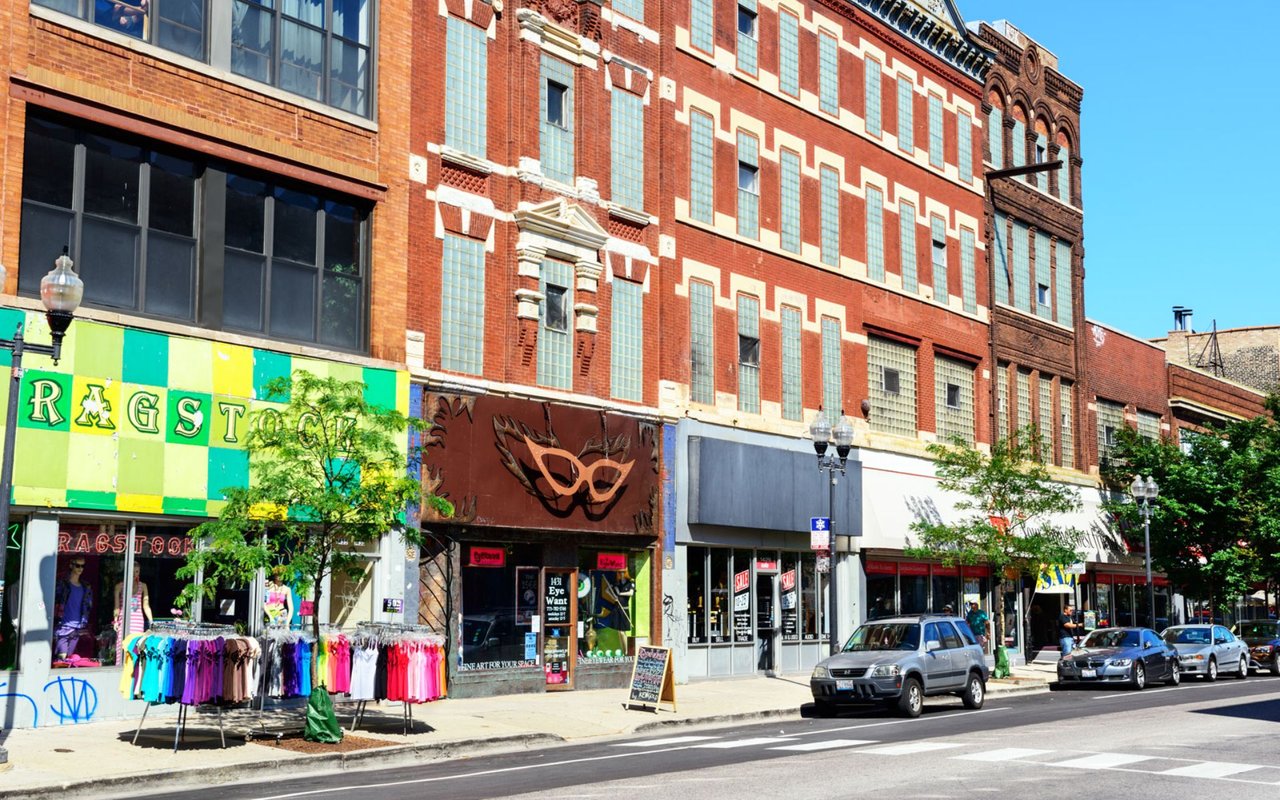
The fastest sales in Chicago are concentrated on the North Side, where scarce inventory is colliding with intense buyer demand. In a region that includes Lincoln Park, Lakeview, Wicker Park, and Bucktown, about 70% of homes that listed and sold over a recent month closed above asking price, according to Redfin sales data reported by The Real Deal (homes above $500,000, sold March 9 to April 6, 2026). For homes that sold over asking, the premium averaged just over $60,000, or 7.8%.
-
Lincoln Park: Lincoln Park is at the center of the city's bidding wars, with buyers routinely waiving contingencies to win scarce single-family and townhome inventory.
-
Lakeview: Lakeview sees the same pressure, with well-priced homes moving quickly and recent record-setting sales at the high end.
-
Wicker Park: Wicker Park pairs strong walkability and nightlife with limited for-sale inventory, keeping turnkey homes in high demand.
-
Bucktown: Bucktown attracts the same buyer pool as Wicker Park and moves on a similar fast timeline for move-in-ready listings.
Demand is also spilling into nearby neighborhoods that did not see the same price run-ups in years past. Buyers priced out of Lincoln Park are increasingly competing in Logan Square and Avondale, while family-friendly Roscoe Village, the West Loop, and the Gold Coast remain highly competitive for the right product.
Why these neighborhoods sell so fast
Four forces explain why the North Side core sells faster than the rest of the city. They compound on each other, which is why these neighborhoods stay competitive year after year.
-
Severe inventory shortage. Many owners are locked into mortgage rates below 3% and will not sell, and would-be move-up buyers are staying put because suburban inventory is just as tight. That keeps the supply of homes for sale unusually low.
-
Pent-up and returning demand. Buyers who lost out in earlier cycles are still searching, and people who left Chicago during the pandemic are coming back, adding to the pool of buyers chasing few listings.
-
Move-in-ready condition. Turnkey homes that are priced correctly and marketed well are the ones drawing multiple offers and selling fastest. Homes needing work, or priced too high, sit longer.
-
Pricing strategy. How a home is priced at launch has a direct effect on how fast and how high it sells in these neighborhoods.
That last point is where local expertise matters most. Matt Laricy champions an “ask less to get more” strategy, advising sellers to price a home so it brings a flood of buyers through the door and lets competition push the final price up. “This is when the ‘comps don’t matter’ approach happens,” Laricy told The Real Deal. “People get kind of caught up in it, they get emotionally attached to a property, and they make a decision that’s maybe not as logical as they should.”
What this means if you are selling
In the fastest neighborhoods, pricing and presentation decide everything. A well-prepared, strategically priced home can sell in days and well over asking, while an overpriced or dated listing can stall even in a hot market. The data backs this up: only 11% of Chicago listings have taken a price cut, far below the 20% national rate, because sellers who price to the market are not having to chase buyers down.
|
Seller tip: Speed and final price are not opposites in these neighborhoods. The right launch price and strong marketing can create competition that drives the sale price higher, not lower. This is exactly where a pricing strategy tailored to your specific block pays off. |
What this means if you are buying
If you are buying in a fast-moving Chicago neighborhood, speed and flexibility win. With homes going under contract in days, buyers who are pre-approved, decisive, and ready to compete have a real edge. To win in these areas, buyers are increasingly:
-
Getting fully pre-approved before touring, so they can move the moment the right home appears.
-
Waiving or shortening contingencies and accepting appraisal-gap terms when it makes sense.
-
Offering rent-backs and flexible closing timelines to appeal to sellers.
-
Working with an agent who sees inventory early, including off-market and pre-market listings.
You can start by tracking current Chicago homes and neighborhood guides to focus your search on the areas and price points that fit your timeline.
|
Main takeaway: Chicago's 51-day citywide average masks how fast its best neighborhoods move. On the North Side, scarce inventory and heavy demand mean well-priced, move-in-ready homes sell in days and most close above asking. Strategy, condition, and access decide who wins. |
Frequently Asked Questions
How long does it take to sell a home in Chicago?
As of May 2026, the median Chicago home sold in about 51 days, according to Redfin, and 44% of listings went under contract within two weeks. In the fastest North Side neighborhoods, well-priced, move-in-ready homes often go under contract in days rather than weeks.
Which Chicago neighborhoods sell the fastest?
The North Side core leads, including Lincoln Park, Lakeview, Wicker Park, and Bucktown, where roughly 70% of recent sales closed above asking. Demand is also spreading to Logan Square and Avondale as buyers get priced out of the most expensive areas.
Are Chicago homes selling above asking price?
In the hottest neighborhoods, yes. Redfin data reported by The Real Deal showed about 70% of recent North Side sales above $500,000 closed over asking, with an average premium of about 7.8% on those homes. Citywide, 37% of homes sold above their original list price in May 2026.
Why is there so little inventory in Chicago's best neighborhoods?
Many owners are holding onto mortgage rates below 3% and choosing not to sell, and move-up buyers are staying put because suburban inventory is also tight. Combined with returning and pent-up demand, that keeps supply low and competition high in the most desirable neighborhoods.
Thinking about buying or selling in a fast-moving neighborhood?
Whether you are trying to win a bidding war or sell for the highest possible price, strategy is everything in Chicago's fastest neighborhoods. Matt Laricy and the LARICY Team track days on market and inventory block by block, including the off-market deals that never reach the public listings. Reach out to build a plan around your timeline and your neighborhood.